If You’ve Only Been to Buenos Aires, the Silence Lands First
You cross the Río de la Plata expecting Buenos Aires with a smaller budget. What arrives instead is the quiet. Montevideo has wide boulevards designed for crowds that never came, art deco apartment blocks with names like “Palacio” housing four families instead of forty, and cafes where the waiter knows you’re foreign before you order because locals stopped filling these marble tables sometime around 1975. The city was built for three million people. It holds 1.3 million. You hear your own footsteps on Avenida 18 de Julio at what should be rush hour.
Montevideo
The architecture promised Paris. It delivered a place where Parisian blueprints met Rio de la Plata humidity and nobody had money for repairs after the military government fell. The Teatro Solís has a facade that could pass for the Opéra Garnier if you squint. Inside, the red velvet seats are original, which means they’re splitting at the seams. The Palacio Salvo, once the tallest building in South America, dominates Plaza Independencia like a lighthouse nobody needs anymore. Its apartments rent for $600 USD a month. In Europe, this would be a UNESCO site with a gift shop. Here it’s just expensive to heat.
If You’ve Only Been to Other Coastal Capitals, the Beach Feels Wrong
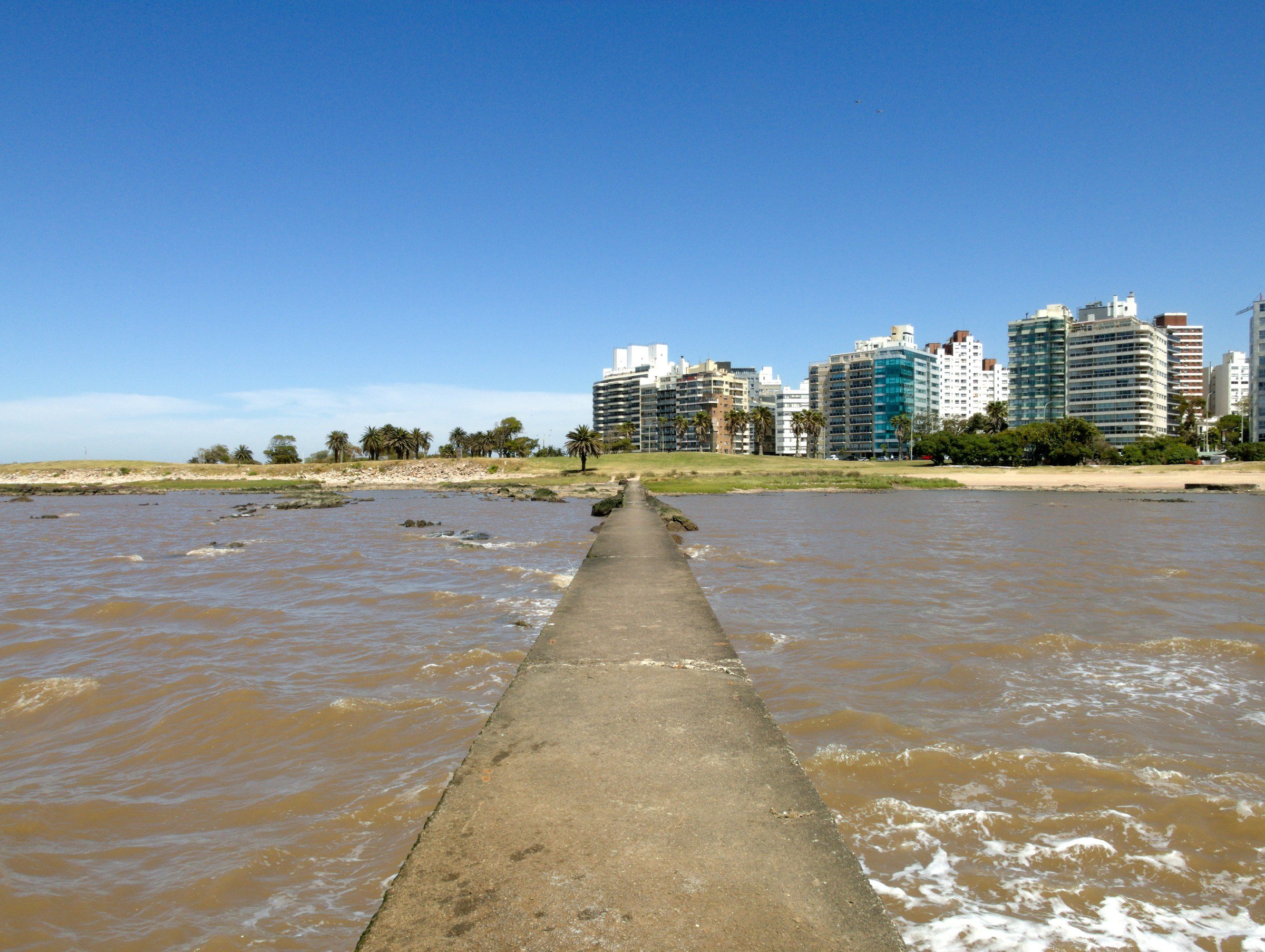
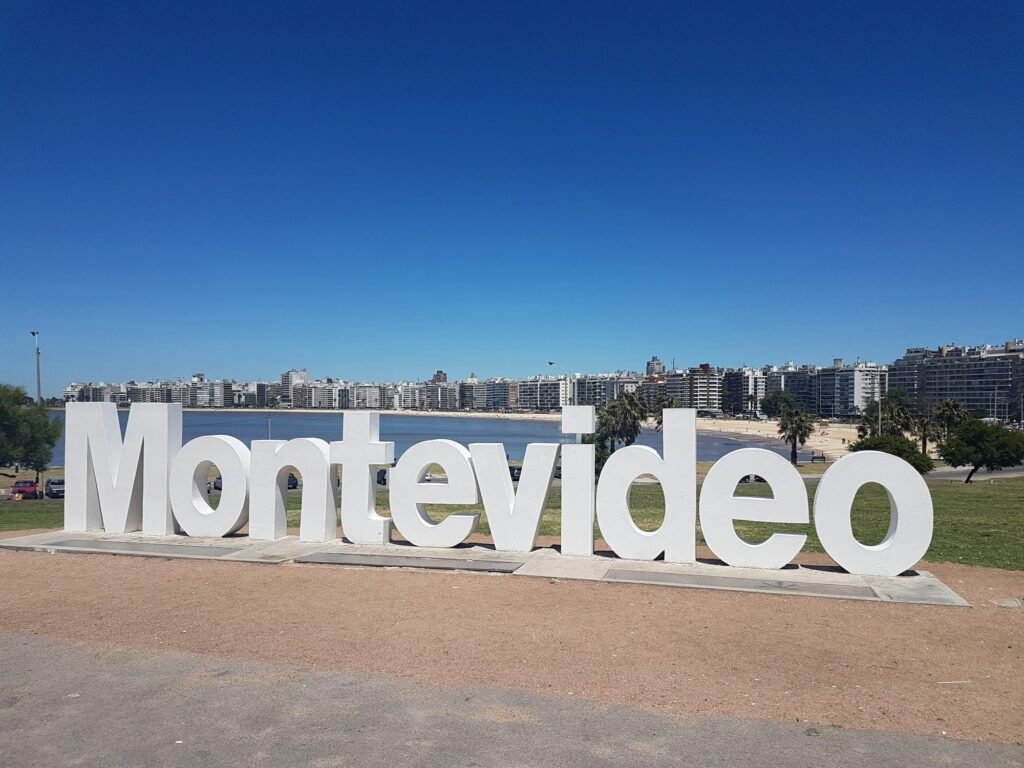
The Rambla stretches 22 kilometers along the river. Not the ocean. The river. You can’t see Argentina on the other side but you know it’s there because the water is brown with silt, not blue. People jog at dawn, mate thermoses tucked under their arms, but the beach neighborhoods feel like someone canceled summer halfway through building them. Pocitos has fifteen-story apartment towers facing the water, balconies stacked like a Mediterranean resort, except half the balconies have laundry hanging and the other half are empty. Punta Carretas was supposed to be the Monaco of South America. It has a shopping mall built inside the old prison and a coastline where fishermen still pull nets at sunrise.
The thing nobody tells you is that Montevideans treat the Rambla like a park, not a beach destination. You see more people drinking mate on benches than swimming. The water is swimmable but not inviting. Playa Ramírez on a January afternoon holds maybe two hundred people stretched across a kilometer of sand. Compare this to Copacabana or even Mar del Plata and you start to understand the city’s relationship with missed potential.
If You’ve Only Eaten Argentine Beef, the Parrillas Are Technically Better
Montevideo
The asado here is often better than across the river. Smaller herds, less industrial farming, cuts that come from cattle ranches you can visit in an hour’s drive. A parrillada at Mercado del Puerto costs 850 pesos ($20 USD) and includes chorizo, morcilla, short ribs, and a slab of vacío that barely fits the plate. The meat arrives with chimichurri that tastes like someone’s grandmother made it because someone’s grandmother did make it.
But you eat this meal surrounded by corrugated tin roofs held up by iron columns from 1868, in a market that was supposed to anchor a thriving port district. Now it’s a tourist attraction locals visit twice a year. The restaurants share space with closed stalls that once sold fish, and the whole structure feels like a museum that’s still pretending to be a market. The food is excellent. The context is a minor tragedy performed daily.
If You’ve Only Seen Functional Public Transit, the Buses Make You Homesick for Dysfunction
Montevideo has no metro. It has buses from the 1990s with seats held together by duct tape and drivers who’ve been running the same route since before smartphones existed. You pay 45 pesos ($1.05 USD) and get exact change or nothing. The buses come when they come. Route maps exist more as suggestions than schedules.
This would be charming if the city were compact. It’s not. Ciudad Vieja to Carrasco is an hour on the 60 when traffic cooperates. The bus lurches through neighborhoods that look like they were planned by different city councils who never spoke to each other. Pocitos has bike lanes. Tres Cruces has a bus terminal that could serve a city three times this size. Malvín has streets that turn to gravel without warning. You’re not sure if this is decay or if the pavement was always optional.
If You’ve Only Visited Cities That Remember Their Golden Age, This One Still Lives There
The cafes on Plaza Matriz serve cortados in the same glass cups they used in 1960. The waiters wear the same bow ties. The marble countertops have the same cracks. You sit under ceilings with faded murals of Montevideo as a great port city and nobody has updated the fantasy. Café Brasilero has been open since 1877 and the menu prices suggest they haven’t quite accepted inflation since 1980. A cortado costs 90 pesos, about what it cost five years ago if you adjust for the peso’s collapse.
Walk through Parque Rodó on a Sunday and you’ll see families renting paddleboats on a lake that needs dredging, past a castle that was supposed to be part of a grand municipal project but now hosts sporadic art shows. The park was modeled on Bois de Boulogne. It has the bones of that ambition and none of the maintenance budget. Grass grows through cracks in the formerly grand staircases. The rose garden has roses, just not as many as the original plans suggested.
This isn’t decay exactly. It’s a city that built for a future that went to São Paulo instead, to Santiago instead, and decided the 1960s weren’t so bad anyway. You can still get a three-course lunch for 420 pesos ($10 USD) in Cordón. You can still walk home at midnight through Centro without checking over your shoulder. The trade-off is living in a place where the buildings remember being important and nobody has the heart to tell them otherwise.
If you liked this, you might like: San Jose, Santiago.
Planning the trip? Compare hotel deals before you book.