1. The line you can see from the plane
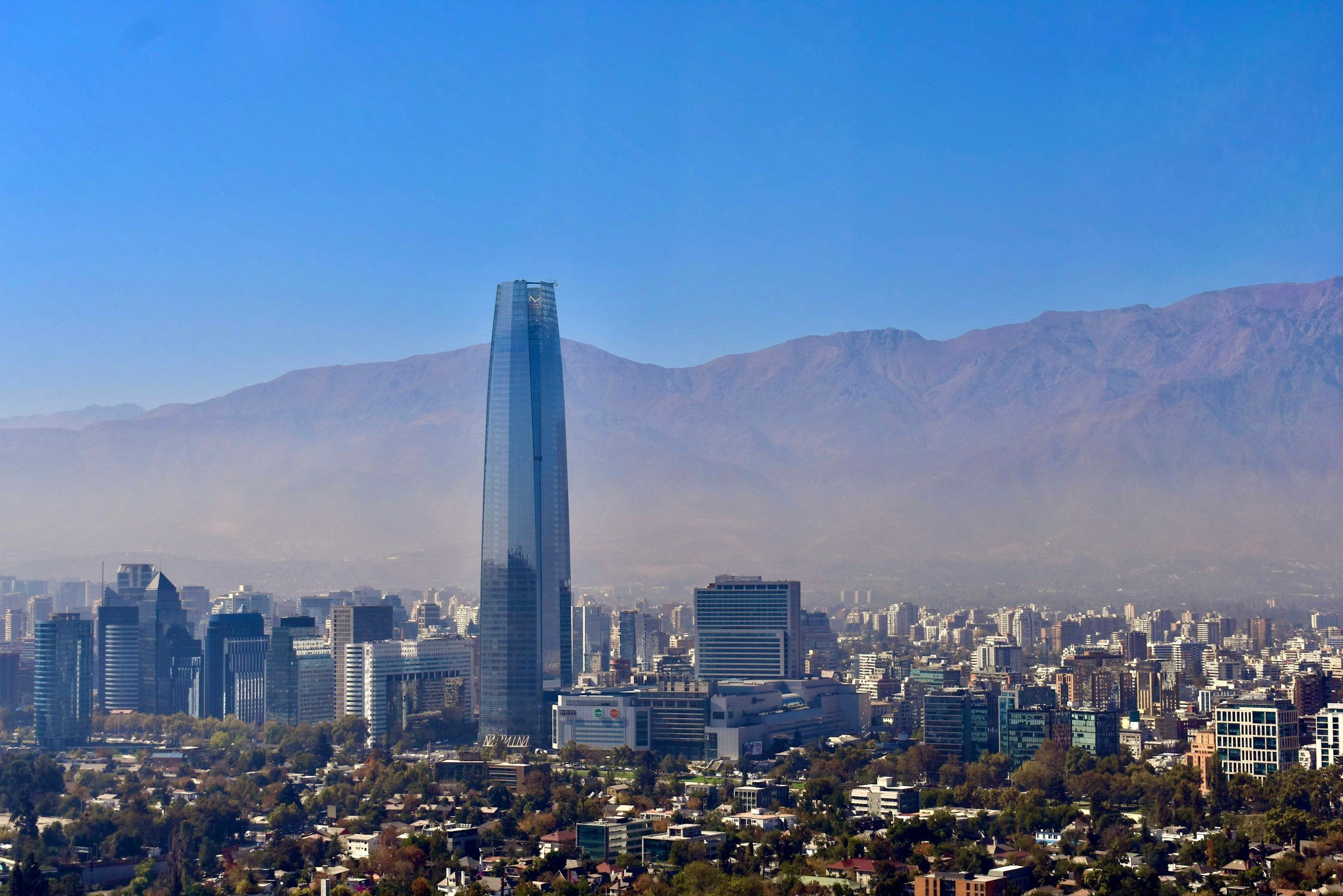
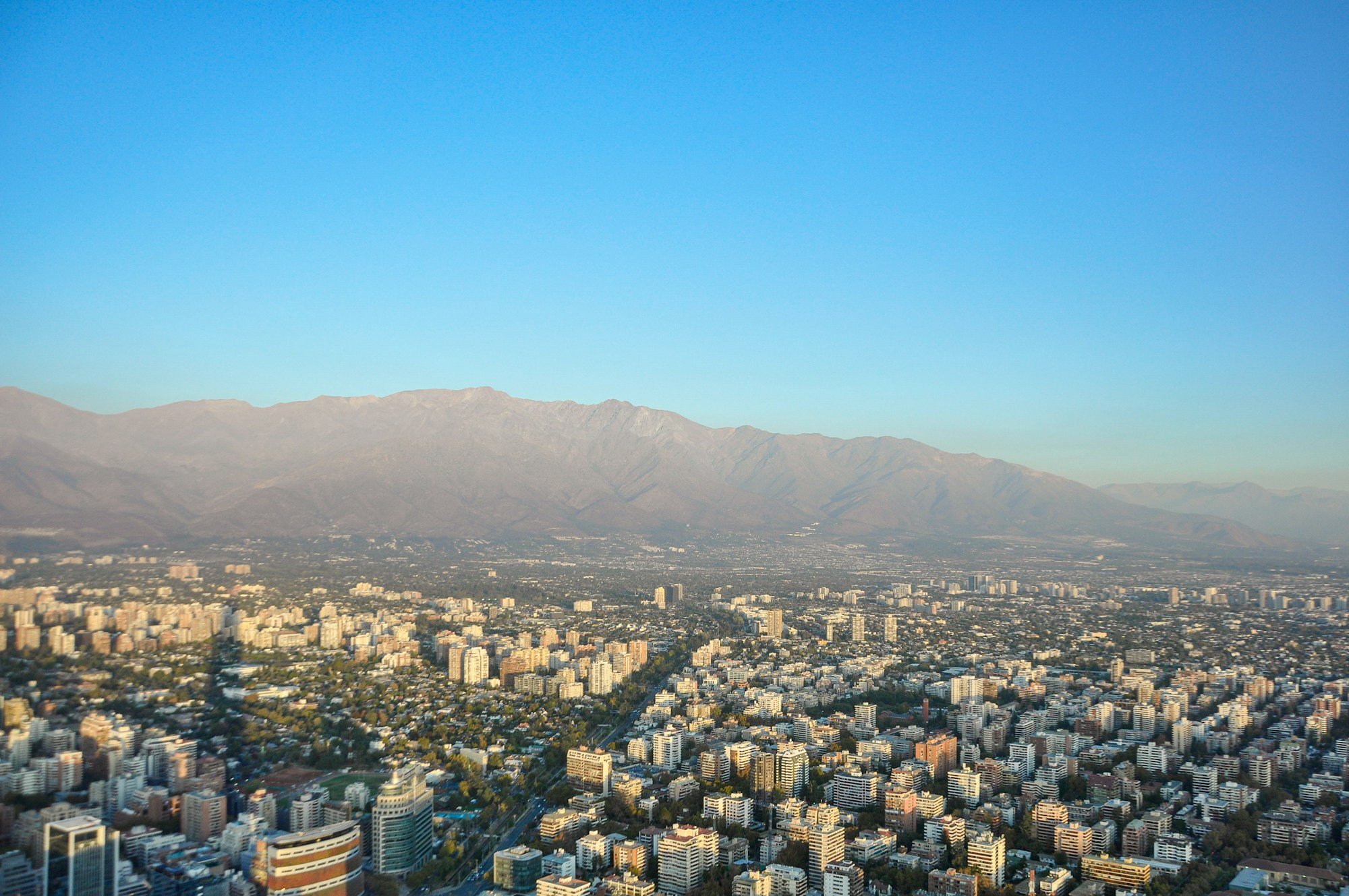
The approach into Arturo Merino Benítez shows you the city’s basic problem. From above, Santiago looks sliced. The eastern half sits at the base of white-peaked mountains, tree-lined streets in neat grids, pools catching light. The western half sprawls brown and flat toward the coast, concrete stretching into haze. That visible division is smog settling against the Andes like dirty bathwater against a tub wall.
Santiago
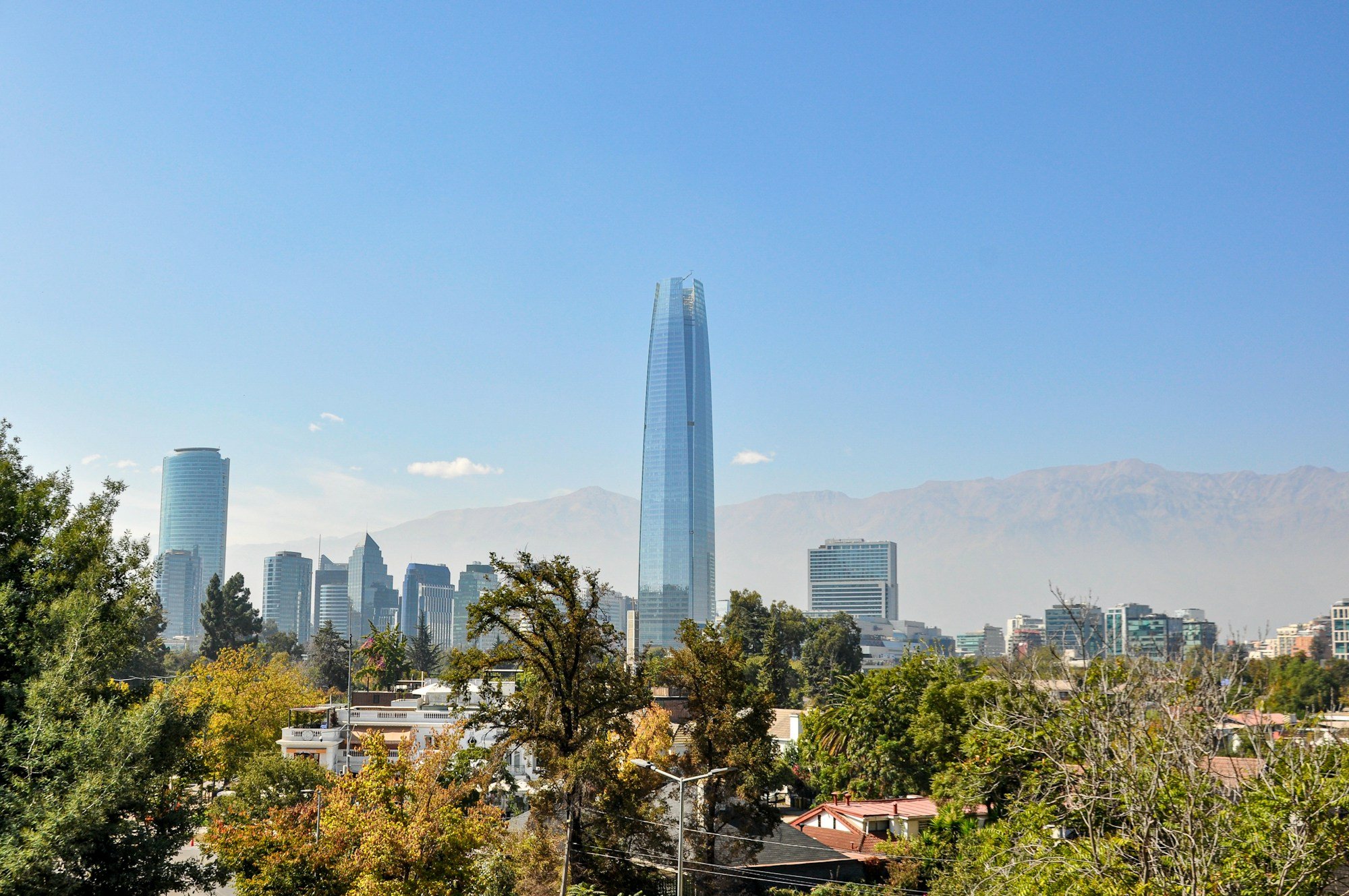
By the time you’re in a taxi heading into the city, you understand why locals check air quality apps the way other people check weather. The mountains trap everything. Car exhaust, factory smoke, dust from construction sites, all of it piles up against that rock barrier. Winter is worse because cold air sinks and holds pollutants low. Some mornings in Providencia the Andes disappear completely behind a gray curtain even though they’re only fifteen kilometers away.
The municipality issues pre-emergency alerts when particulate matter spikes. Older diesel buses get restricted. Schools cancel outdoor recess. But the mountains don’t move, and the city keeps growing, so the smog keeps banking up against the same eastern wall.
2. Altitude sickness in reverse
You feel the elevation change inside the city itself. Providencia sits at 570 meters. Las Condes pushes past 650 meters as you head toward the foothills. The air is measurably cleaner in neighborhoods that climb toward the mountains, not because people there pollute less but because altitude and wind patterns give those areas slightly better ventilation before the Andes slam the door.
A friend in Vitacura pays 480,000 pesos a month ($520 USD) for a one-bedroom apartment with a balcony view of Cerro Manquehue. She mentions the air quality like it’s an amenity, the way someone else might talk about a doorman. Three stops west on the metro in Quinta Normal, rent drops to 280,000 pesos ($305 USD) and you lose the view because smog blocks it half the time.
Real estate listings in the zona oriente don’t explicitly advertise cleaner air, but the photos tell the story. Balconies face the mountains. Listings mention “luminous” and “clear views” without saying clear of what. Every hundred meters of elevation you gain heading east is a small escape from the trapped pollution pooling lower and westward.
3. Two cities at the same address
Santiago
The weather report becomes meaningless once you realize it describes an average between extremes. A spring morning might be 18°C in Vitacura and 22°C in Pudahuel because the Andes create a rain shadow that bakes the western sprawl while the foothills stay comparatively cool. Winter inverts this. Cold air drains down from the mountains and settles in the basin, which means the poorest neighborhoods in the western flatlands also get the coldest nights.
Santiaguinos talk about the “termal inversion” like a recurring villain. It happens when a layer of warm air sits on top of cold air, sealing pollution under a lid. The Andes make this worse because they block wind that might break up the inversion. You can stand in Bellavista on a bad inversion day and taste metal. The mountains are right there, close enough to see individual ridges when the air clears, but they might as well be a wall around a prison yard.
People who can afford it leave for the coast on weekends. Viña del Mar and Valparaíso are ninety minutes away and sit at sea level with ocean wind. The Monday return to Santiago means watching the smog layer thicken as you drive back into the valley.
4. The hiking tax
Cerro San Cristóbal is the most popular hike in the city because it’s accessible by funicular and you don’t need a car. The 860-meter summit gives you the full panorama, which on clear days includes the Andes stretching north and south, and on bad days includes a brown haze obscuring entire comunas. The trail gets crowded on weekends with people trying to climb above their own pollution.
The real hiking is in the mountains themselves, but that requires either a car or an expensive tour. Cajón del Maipo is the closest serious access point to the Andes, about an hour southeast. The air is genuinely different there, thin and clean, and you can see why people with money build cabins in the canyon. Pudahuel and Cerro Navia are flat and landlocked, surrounded by more city in every direction. They have no escape option.
The altitude gain from Santiago’s center at 520 meters to the ski resorts at 2,400 meters is dramatic enough that you feel it in your lungs. You’re breathing what the city would breathe if the Andes weren’t there, which means breathing what the city can’t have. The absence of particulates makes sunlight sharp instead of diffused through a filter of smog.
5. Permanent geography
The metro expansion into the western comunas was supposed to help with inequality. Línea 6 opened recently and connects Cerrillos to the rest of the network. But a metro line doesn’t change the fact that Cerrillos sits in the smog shadow while Las Condes sits in the clear. Transportation access doesn’t alter the geographic trap.
Some mornings the entire basin is socked in and the mountains vanish. You can be standing in Lastarria and forget they’re there. Then the afternoon wind picks up, the smog peels back like a curtain, and suddenly the Andes are so close you can see snow cornices on the ridgelines. The reminder is sharp: Santiago’s weather and air quality aren’t random. A barrier that won’t move shapes both.
The city has talked about restricting cars, expanding the metro, planting more trees. These help at the margins. But seven million people living in a valley with a mountain wall on one side means the smog has nowhere to go. The Andes made Santiago possible by providing water. They also make it unbreathable half the year. You don’t get one without the other.
If you liked this, you might like: Valparaiso, San Jose, Panama City.
Planning the trip? Compare hotel deals before you book.