Cheap places to visit in Europe, and why they stay cheap
Most first trips to Europe go to Paris, Rome or Barcelona. Skip those for once and the same budget stretches a lot further. Every city below has a walkable old town and public transport that works, and you share it with far fewer tour groups.
1. Kotor, Montenegro
Kotor sits at the inner end of a fjord-like bay on Montenegro’s Adriatic coast, and it is the most dramatic setting on this list. The medieval old town fits inside its walls, and a long stair climb up the walls to the fortress gives you the whole bay. Kayak and boat trips leave from the old town waterfront.
2. Mostar, Bosnia and Herzegovina
Mostar is built around one image, the Stari Most (Old Bridge), rebuilt in 2004 after its destruction in 1993 (Britannica). The old town is small enough to cover on foot in an afternoon. Visitors can enjoy traditional Bosnian cuisine, visit local markets, and experience the blend of Ottoman and Austro-Hungarian architecture. Don’t miss the chance to explore the historic Ottoman Quarter and the bustling Kujundžiluk Bazaar.
3. Bratislava, Slovakia
Most people pass Bratislava on the way between Vienna and Budapest, and it is an easy add-on from Vienna, an hour away by train. The old town is compact enough to walk in a morning, with the castle above the Danube. See the Blue Church, look for the bronze statues around the old town, and eat Slovak food at local prices.
4. Ljubljana, Slovenia
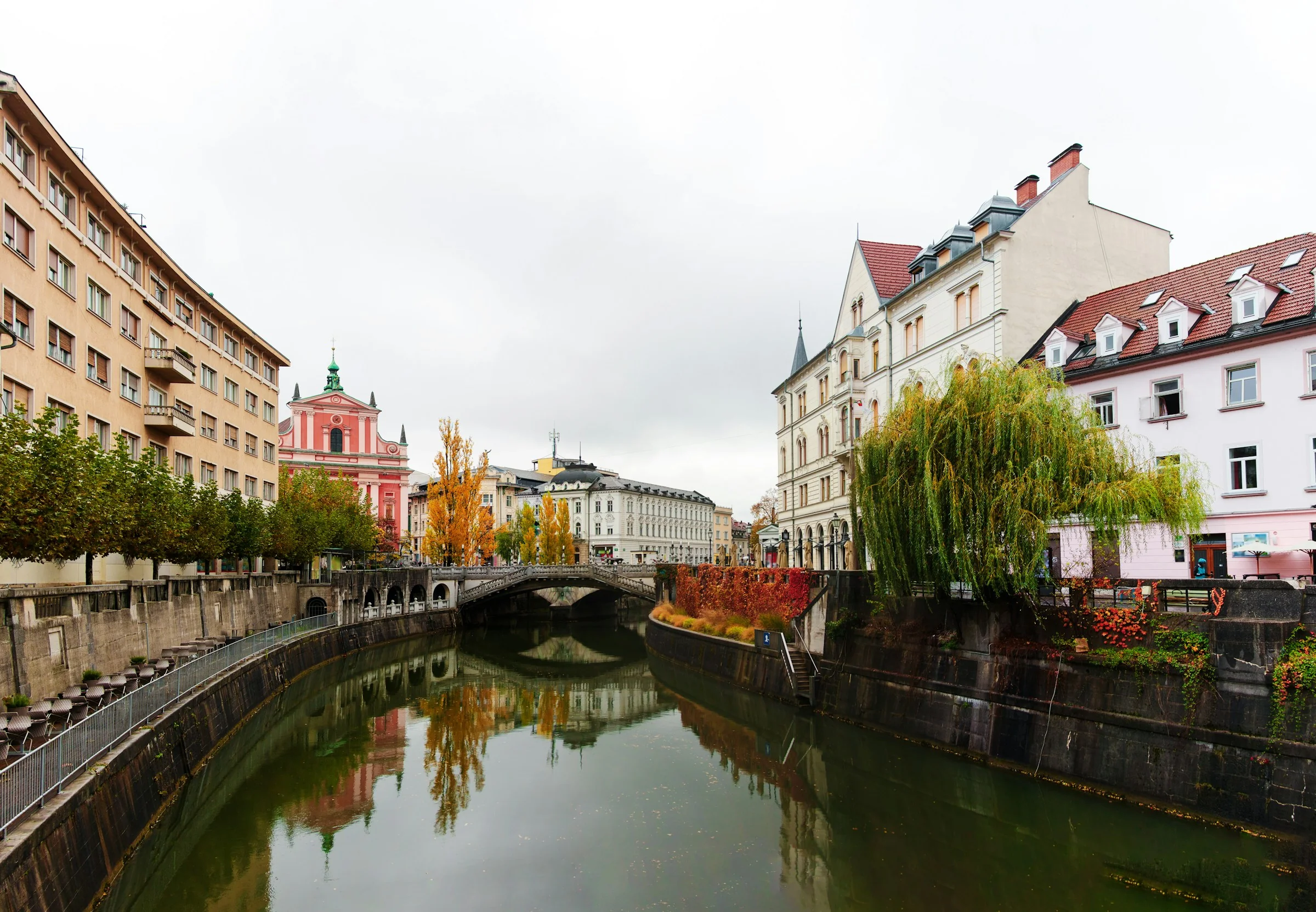
Ljubljana, Slovenia’s capital, has a car-free center along the Ljubljanica river and a castle on the hill above it. Riverside cafés fill up on summer evenings. Go to the Central Market for produce and handmade goods, and take a boat along the river if your legs need a break.
5. Riga, Latvia
For a winter trip, try Riga. The old town is a UNESCO World Heritage site, the Christmas market runs through December, and the city has one of the largest collections of Art Nouveau buildings in Europe.
6. Plovdiv, Bulgaria
Plovdiv suits history fans best. It claims to be one of the oldest continuously inhabited cities in Europe, and a Roman theatre still hosts summer concerts in the middle of town. The Kapana quarter is full of small bars and galleries, and the old town’s painted Revival-era houses are free to walk past.
7. Vilnius, Lithuania
Vilnius, the capital of Lithuania, is one of the cheaper Baltic capitals. The baroque old town is large and walkable. Climb to Gediminas Tower for the view, cross into the self-declared republic of Užupis, and stop at St. Anne’s Church on the way back.
8. Sibiu, Romania
Sibiu, in the middle of Transylvania, has one of the best-kept old towns in Romania. Its houses have the famous “eyes”, small roof windows that look like they are watching you. Visit the Brukenthal National Museum, cross the Bridge of Lies, and check the festival calendar, since summer is busy with them. It works well for budget travelers who want something quieter than Bucharest.
9. Maribor, Slovenia
Maribor, located in northeastern Slovenia, is Slovenia’s second city. This city is famous for its wine culture, including the world’s oldest vine. The nearby Pohorje Mountains offer excellent skiing in winter, which makes it a cheap winter base too. Visit the Maribor Castle, explore the old town, and book a wine tasting in one of the old town cellars.
10. Gdansk, Poland
Gdansk, the port city on Poland’s Baltic coast, rounds out the list. It makes a good alternative to Krakow or Warsaw for a Polish city break. Walk the Long Market, climb the tower of St. Mary’s Church, and give the Museum of the Second World War at least half a day.
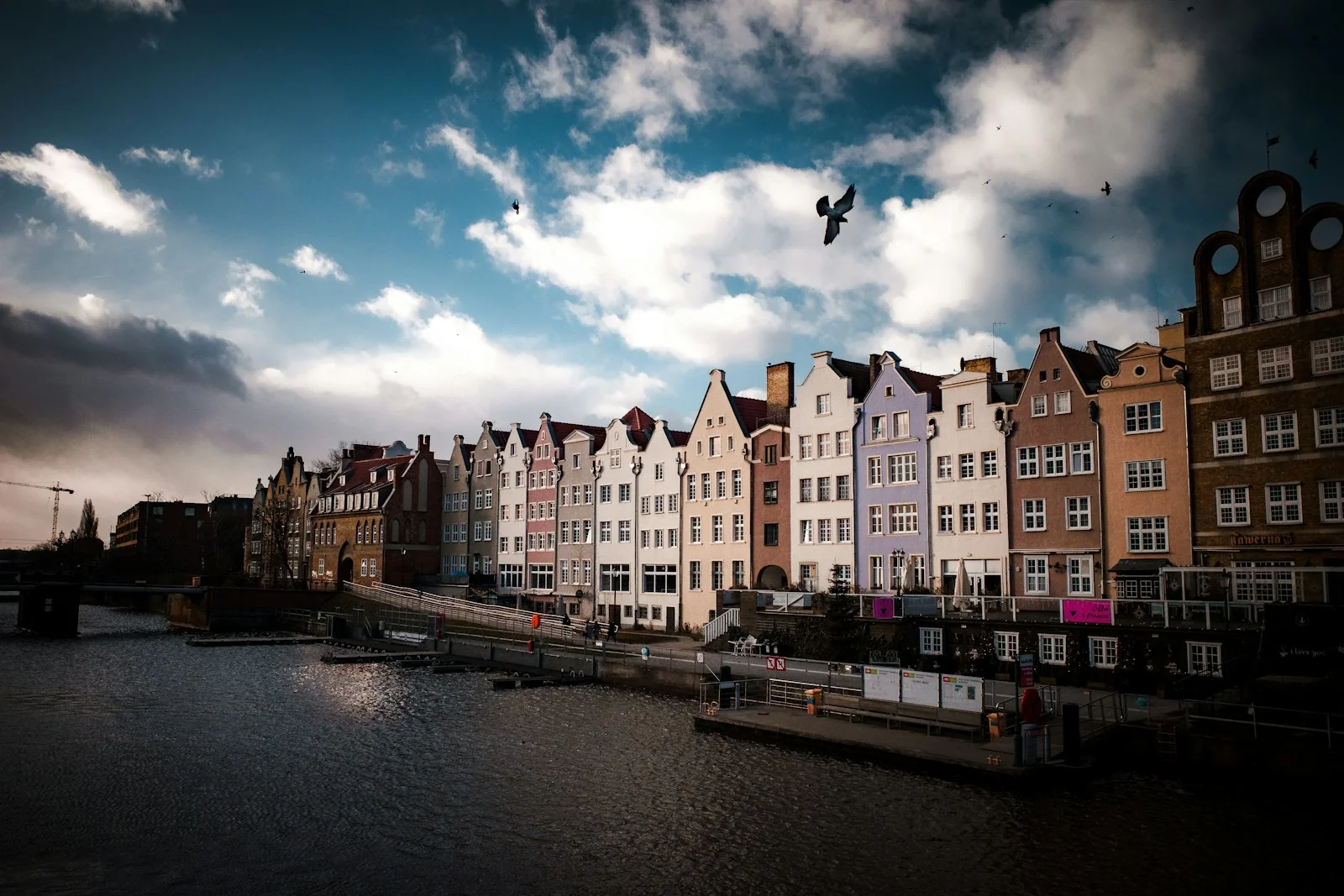 Photo: Aliaksei Antropau via Unsplash. Cover photo: Eugene Kuznetsov via Unsplash
How to keep a budget Europe trip cheap
The city choice does half the work. The other half is timing and a few habits that cost nothing.
Start with the calendar. Our own fare pull from July 2026 is blunt about this. Oslo to Lisbon bottomed out at 1,340 NOK in September against 3,201 NOK in December. New York to Rome dropped to 375 USD in November from 626 USD in July. Across all 59 routes, 34 were cheapest in August or September (full price study).
The rest is habit:
- Leave mid-week. Tuesday and Wednesday departures run about 13 percent below weekend ones in Google’s fare data. That matters more than the day you click book (why the booking day barely matters).
- Buy the transit day pass. Before you buy single rides, check whether the city sells a day ticket for buses and trams. Do the math on day one, not day three.
- Sleep in a private hostel room. Many hostels in these cities rent private doubles with their own bathroom. You get a hotel-style room and a shared kitchen to cut the food bill.
- Eat lunch as the main meal. Many restaurants in the Balkans, Poland and the Baltics run a cheaper set menu at lunch on weekdays.
Pick two of these cities that sit close together, like Bratislava and Vienna or Ljubljana and Maribor, and compare flights into one and out of the other.
Claude AI helped me with phrasing and proofreading in this article.