If you think the Bosphorus is just scenery
The strait is a border that no one enforces. Ferries cross every twelve minutes. You board on the European side at Eminönü where vendors sell sesame rings still warm, and fifteen minutes later you step off in Kadıköy on the Asian side where the same vendors sell the same rings. The water is the width of a river. Stand on the rail and you can see both shores at once. This is not the dramatic continental divide you imagined. It is a commute.

What surprises is how little the crossing registers. No passport control. No currency change. The same stray cats. The same tea gardens. The ferries themselves feel like floating municipal buses, scratched plastic seats and ticket booths selling tokens for 15 lira ($0.50). People read newspapers. Students lean against the rail with textbooks. The romantic notion of straddling two continents dissolves the moment you realize thousands of people do this twice a day to get to work.
The Bosphorus matters more as infrastructure than symbol. The two suspension bridges funnel trucks and taxis between continents. The new tunnel carries a metro line under the seabed. In rush hour the ferries fill with shipyard workers from Tuzla, office staff from Beşiktaş, university students from Bebek. You wanted a threshold. You got a junction.
If you expect Byzantine grandeur everywhere
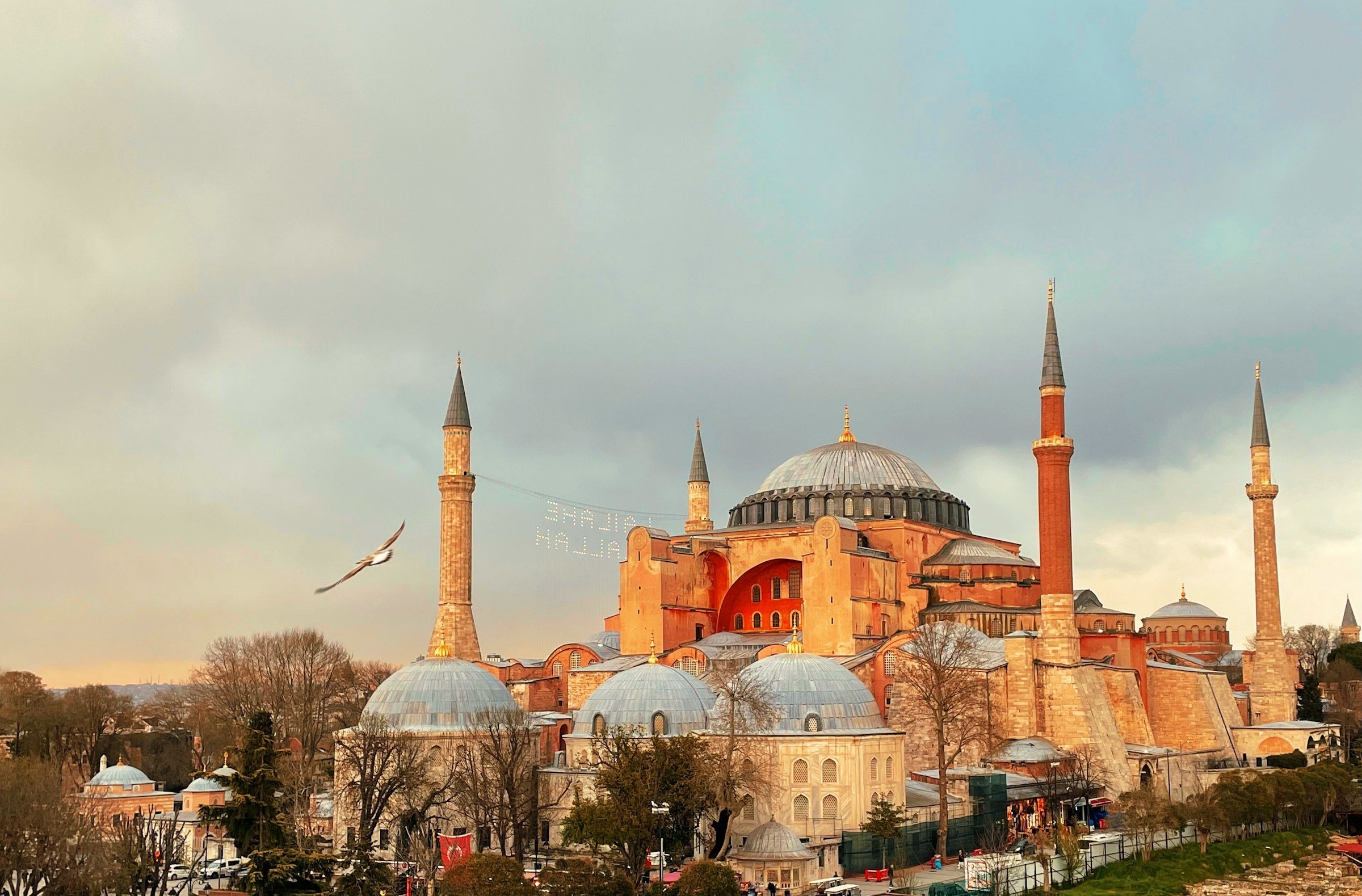
Sultanahmet has the monuments. Hagia Sophia with its gold mosaics and 1,500-year-old dome. The Blue Mosque opposite it. The Topkapi Palace where Ottoman sultans ruled an empire stretching from Vienna to Yemen. These buildings exist and they are legitimate reasons to visit. They are also a single neighborhood on a peninsula, and most of Istanbul has moved on.
Walk north from Sultanahmet for twenty minutes and you reach Karaköy, a port district rebuilt in the nineteenth century. Art Nouveau apartment blocks. A fish market under corrugated metal. Warehouses converted to galleries. The architecture here is European, industrial, recent. The restaurants serve Black Sea anchovy fried in cornmeal. This part of the city looks like Marseille or Lisbon, and it does not care that you came for Ottoman history.
Keep walking. Beyoğlu has Belle Époque theaters and a tram line that climbs a hill steep enough that the tram needs a grip mechanism. Nişantaşı has fashion boutiques and apartment buildings from the 1940s with balconies overlooking chestnut trees. Kadıköy has produce markets and meyhanes (taverns) serving meze at tables that spill onto the sidewalk. These neighborhoods were built after the empire fell, by a republic that moved the capital to Ankara and turned Istanbul into a regional port city. The grandeur left. What stayed was a port doing port things.
If you picture endless bazaars and carpets

Istanbul
The Grand Bazaar exists. It covers 61 streets under vaulted ceilings. Vendors sell carpets, ceramics, leather jackets, gold bracelets, and carved wooden boxes. It is indoor and climate-controlled and designed for tourists. You will find better prices and less haggling elsewhere.
What the city actually shops at: the neighborhood markets that set up on different streets each day of the week. Beşiktaş on Saturday. Kadıköy on Tuesday. Fatih on Wednesday. Tarp canopies, fold-out tables, produce sold by the kilo. Vendors shout prices. Women inspect eggplants for soft spots. You buy a kilo of tomatoes for 30 lira ($1) and the vendor throws in a handful of parsley. This is not picturesque. It is cheaper and faster than a supermarket.
The fish market at Karaköy opens before dawn. Fishmongers stand behind metal tables covered in ice. Bluefish, sea bass, mackerel, red mullet. They gut and scale on request. Restaurants send buyers at 6am to get the best stock. By 10am the selection thins. By noon the market closes. If you arrive expecting the Grand Bazaar’s leisure pace, you miss it.
If you assume the Bosphorus villages are unspoiled
The wooden yalıs (waterfront mansions) on the Asian shore get photographed constantly. Nineteenth-century Ottoman estates painted red or yellow, with bay windows cantilevered over the water. Many are abandoned. Roofs sag. Paint peels. Some belong to families who cannot afford the upkeep. Some are tied up in inheritance disputes among twelve cousins. They look better from a ferry than up close.
The villages themselves, Kanlıca and Çengelköy and Kuzguncuk, have been absorbed. Apartment towers now rise behind the old wooden houses. Highways run along the shore. The ferry stops still serve yogurt with powdered sugar in glass cups at cafes by the dock, but the cafes face parking lots and gas stations. Preservation lost to population pressure. Fifteen million people live in this city. They need somewhere to go.
Arnavutköy on the European side has kept more character by accident. The neighborhood sits on a slope too steep for large construction. Cobblestone lanes zigzag between wooden houses and stone walls. Cats sleep on windowsills. A fish restaurant at the water’s edge has been in the same family since 1947. You can still eat grilled sea bass here and pretend the twentieth century did not happen, but only because the street is too narrow for tour buses.
If you think the food is kabobs and baklava
Kabobs exist, mostly in Sultanahmet where tour groups expect them. The local default is meze. Small plates. Yogurt with cucumber and garlic. Smoked eggplant purée. Stuffed grape leaves. Ezme (tomato and pepper paste). White beans in olive oil. Fried calamari. You order six or eight dishes and share. This is what people eat at meyhanes while drinking rakı (anise liquor) diluted with water until it turns cloudy white.
Street food means simit (sesame bread rings) from carts, midye dolma (stuffed mussels) sold from trays along İstiklal Avenue, and balık ekmek (fish sandwiches) at the Eminönü docks. The fish sandwich is a mackerel fillet grilled on a boat that is also a restaurant. You eat it standing at a railing while ferry engines rumble. It costs 40 lira ($1.30). This is the food tourists miss because it does not come with a menu.
Baklava is real but specific. The best comes from Karaköy Güllüoğlu, a shop near the port that has made it since 1949. Thin pastry, crushed pistachios, not too sweet. They sell it by the kilo. You take a box on the ferry. By the time you cross to the Asian side half of it is gone.
If you liked this, you might like: Stockholm, Berlin, Helsinki.
Planning the trip? Compare hotel deals before you book.