At 19:23 on a Thursday in August, we’re sitting on a bench in Plaza de Armas watching a woman sell anticuchos for $2 while tour groups shuffle past paying $65 for Sacred Valley packages they’ll regret. The altitude makes cheap beer hit harder than it should.
Chapter 01: Arrival
The flight from Lima takes 1h 25m and drops you at 3400m before your body understands what’s happening. We walked from Aeropuerto Internacional Alejandro Velasco Astete to our rental near San Blas in 47 minutes, which was stupid. Take the taxi for $4. By the time we reached Cuesta San Blas, two of our group were sitting on stone steps taking photographs of their own feet while breathing like marathon runners.
Cusco doesn’t ease you in. The city presents its altitude problem, its tourist infrastructure problem, and its spatial contradiction problem all in the first three hours. Inca stonework holds up Spanish colonial buildings that now house North Face outlets and massage parlors advertising “coca leaf therapy”. We’ve sent readers to cities with layered histories before, but Cusco’s layers argue with each other more directly than most.
The first night we stayed in, ordered soup from a place on Calle Procuradores, drank mate de coca that tastes like yard clippings, and went to bed at 21:00 feeling like we’d been awake for thirty hours. This is correct protocol. The altitude will flatten you regardless of your Scandinavian hiking credentials, and pretending otherwise just means you’ll feel worse while spending money on activities you can’t enjoy.
By day three, our bodies had manufactured enough red blood cells to walk uphill without stopping every forty meters. The city reveals itself slowly, which turns out to be its primary virtue. You can’t rush Cusco, because physics won’t let you.

Chapter 02: Why now, and why here
The practical answer is that Cusco works as a base for Machu Picchu, the Sacred Valley, and Rainbow Mountain, which means you’re probably coming here anyway if you’re doing the Peru circuit. The more interesting answer is that the city functions as a case study in what happens when a place becomes infrastructure for somewhere else. Most visitors spend 24 to 48 hours here before moving on, which has created an economy optimized for extraction rather than experience.
We stayed eleven days, which is too long by conventional wisdom and exactly right by ours. The longer stay let us watch the patterns: which streets fill with tour groups at which hours (Hatun Rumiyoc between 10:00 and 14:00, always), where locals actually eat (the market halls off Cascaparo, the unnamed places on Avenida de la Cultura past the bus terminal), how the city’s two populations move through the same physical space on completely different circuits.
August through October gives you dry season without the June and July crush, though “dry” at 3400m still means you’ll want a jacket after 18:00. We arrived in mid-August and had clear mornings, occasional afternoon clouds, and temperatures that ranged from 19C at midday to 4C at dawn. The thinness of the air makes temperature swings feel more dramatic than they are, but you adjust.
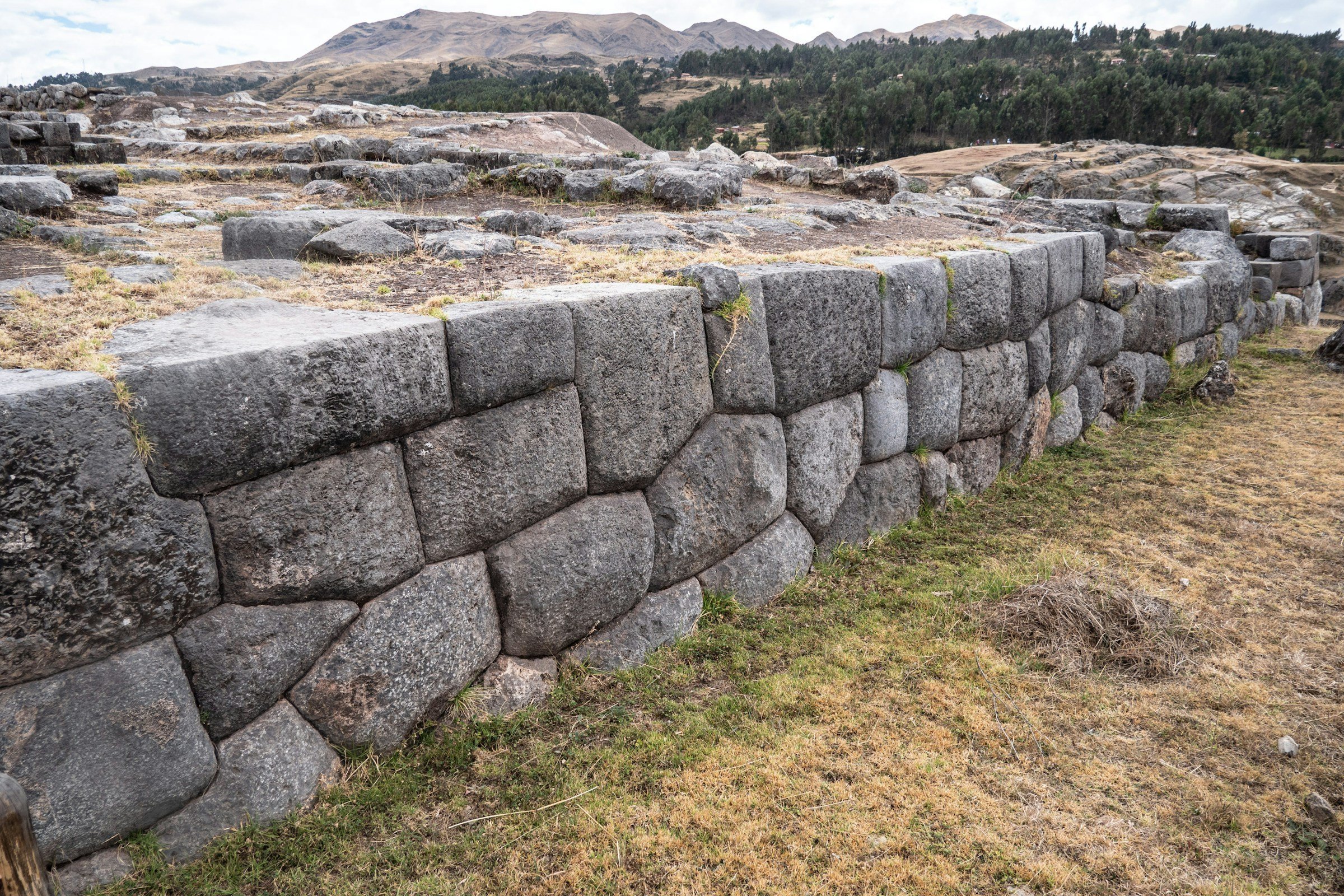
What makes Cusco worth more than a stopover is watching how Inca precision stonework (Hatun Rumiyoc’s twelve-angled stone, Qorikancha’s earthquake-resistant walls) relates to Spanish colonial churches (Compañía de Jesús, La Catedral) which now compete with cafes selling $7 pour-over coffee. The contradiction isn’t subtle and the city doesn’t try to resolve it. We found that refreshing after destinations that smooth over their complications for tourist comfort.
The food situation splits cleanly: tourist restaurants around Plaza de Armas charge $15 to $25 for mediocre alpaca steaks and pisco sours made with cheap pisco, while local spots serve almuerzo (soup, main, drink) for $3.50 to $4.50. We ate lunch at Mercado Central de San Pedro thirteen times and never had a bad meal or an interesting one. That’s the point. Consistent, cheap, real.

The altitude doesn’t negotiate, the stones don’t move, and the tourist traps stay exactly where you’d expect them.
Chapter 03: What to skip, honestly
Skip the boleto turístico unless you’re genuinely interested in every ruin within 40km of the city. The $45 partial ticket gets you four sites including Sacsayhuamán and Qenqo. We visited Sacsayhuamán once, found it impressive in the way large stones are impressive, and never needed to return. The site fills with tour groups between 11:00 and 15:00 who take identical photographs of the same zigzag walls their guides point at. Go at 16:30 or don’t go.
Don’t book the Folkloric Dance Show dinner packages advertised on Calle Plateros and around Plaza de Armas. These cost $38 to $55, include buffet food that tastes like it was cooked yesterday (it was), and present “traditional” dances performed by people who’d rather be somewhere else. We went to one, left after forty minutes, and ate anticuchos from a street cart for $2.50 that delivered more satisfaction than the previous $42 had.
The San Blas neighborhood gets described as “bohemian” and “artsy” in every guidebook, which was probably true in 1997. Now it’s steep streets lined with galleries selling identical alpaca textiles, cafes with names like “Therapy” and “The Meeting Place”, and massage studios. The views from Plazoleta de San Blas are good. The neighborhood’s reputation is stale. Walk through it once on the way to somewhere else.
Avoid booking your Machu Picchu trip through your hostel or a tour agency near Plaza de Armas. They add $15 to $30 in commission. Book your train through PeruRail or Inca Rail directly, buy your entrance ticket through the official government site, and arrange a guide in Aguas Calientes for $20 if you want one. We saved $87 per person doing this, which paid for five more days of lunch.
The Inka Museum charges $7 and contains artifacts that context might make interesting if the museum provided any. Room after room of pottery and textiles with minimal explanation, dim lighting that makes photography pointless, and air that smells like a basement that flooded once in 2003. We lasted thirty-three minutes. Put that $7 toward lunch at the market instead.
Dr. Mondo’s prescription
- Arrive two full days before attempting any day trips or hikes. The altitude is real and will humble you.
- Eat almuerzo at market stalls for $3.50 to $4.50. Evening meals at the same stalls run $5 to $7 and feed you more than tourist restaurants charge $18 for.
- Walk to Mirador de San Cristóbal at 06:30 before tour buses arrive. The city view costs nothing and works better in early light anyway.
- Book your own Machu Picchu logistics directly. Every middleman adds unnecessary cost for the same train seat.
- Stay in the San Blas area only if you find a genuinely cheap rental. The neighborhood’s not worth paying extra to be in.
- Bring altitude pills (acetazolamide) from home. Cusco pharmacies sell them but Norwegian prescriptions work better preemptively.
- The Wednesday and Saturday markets at Mercado de Wanchaq sell produce and daily goods locals actually use, unlike San Pedro’s tourist-facing stalls.
- Fly in and out through Lima. The overland routes take 20+ hours and save no meaningful money when you factor in time cost.
Chapter 04: One perfect day
Start at Qorikancha (Temple of the Sun) at 08:30 when it opens. The $4 entrance fee buys you the best-preserved Inca stonework in the city center, walls that survived earthquakes that flattened Spanish additions built on top of them. The site demonstrates engineering principles more clearly than Sacsayhuamán’s impressive-but-distant stones. Spend forty-five minutes here, pay attention to how the walls fit together without mortar, leave before tour groups arrive at 09:30.
Walk north through the actual commercial streets (Avenida El Sol, Calle Mantas) where locals shop for phone cards and kitchen supplies, not alpaca scarves. Stop at a juice stand near Hospital Regional and get maracuyá juice for $1.20. The tartness cuts through altitude-induced sluggishness better than more coca tea.
Reach Mercado Central de San Pedro by 11:00 for lunch. We always went to the same stall (second row, left side as you enter from the Calle Cascaparo entrance, woman with gray hair and a blue apron who never smiled but always served good portions). Almuerzo costs $3.80. Soup first (usually quinoa or chicken), then a main (lomo saltado, ají de gallina, something with rice and beans), plus a cup of chicha morada or limonada. Eat slowly. Watch the market move around you.
Spend the afternoon walking the streets behind La Catedral (Calle Loreto, Calle Triunfo, the unnamed passages between) where Inca walls form foundations for colonial buildings that now house internet cafes and travel agencies. The history lesson happens at street level if you look at the stone courses instead of the storefronts. We took more photographs of doorways and wall junctions than of any official site.
At 16:00, buy coffee from a cart near Cuesta del Almirante (not the specialty cafes, the cart, $0.80 for coffee that tastes like coffee) and sit on the steps somewhere in the maze of streets climbing toward San Cristóbal. The light angles differently here in late afternoon, makes the red tile roofs look like they’re holding heat they’ll release after sunset.
Dinner at 18:30 at a local place on Avenida Tullumayo past the university campus. These restaurants don’t have names visible from the street and don’t need them. Look for LED-lit signs saying “MENÚ” and plastic chairs and locals eating. Order pollo a la brasa (half chicken, fries, salad) for $6.50. The chicken will be better than anything you’ll eat for $22 near the plaza.
End at Mirador de San Cristóbal at 20:00. The walk up takes eighteen minutes from the plaza and will remind you the altitude hasn’t gone anywhere. The city lights spread below, with Plaza de Armas bright in the center and the edges fading into dark hills. We sat here until 21:15 on our last night, watching clouds move across stars that looked closer than usual, thinking about how Cusco works better when you stop treating it as infrastructure and start treating it as an actual place where actual things happen at actual prices that make sense.