Why does everything close when I actually need it?
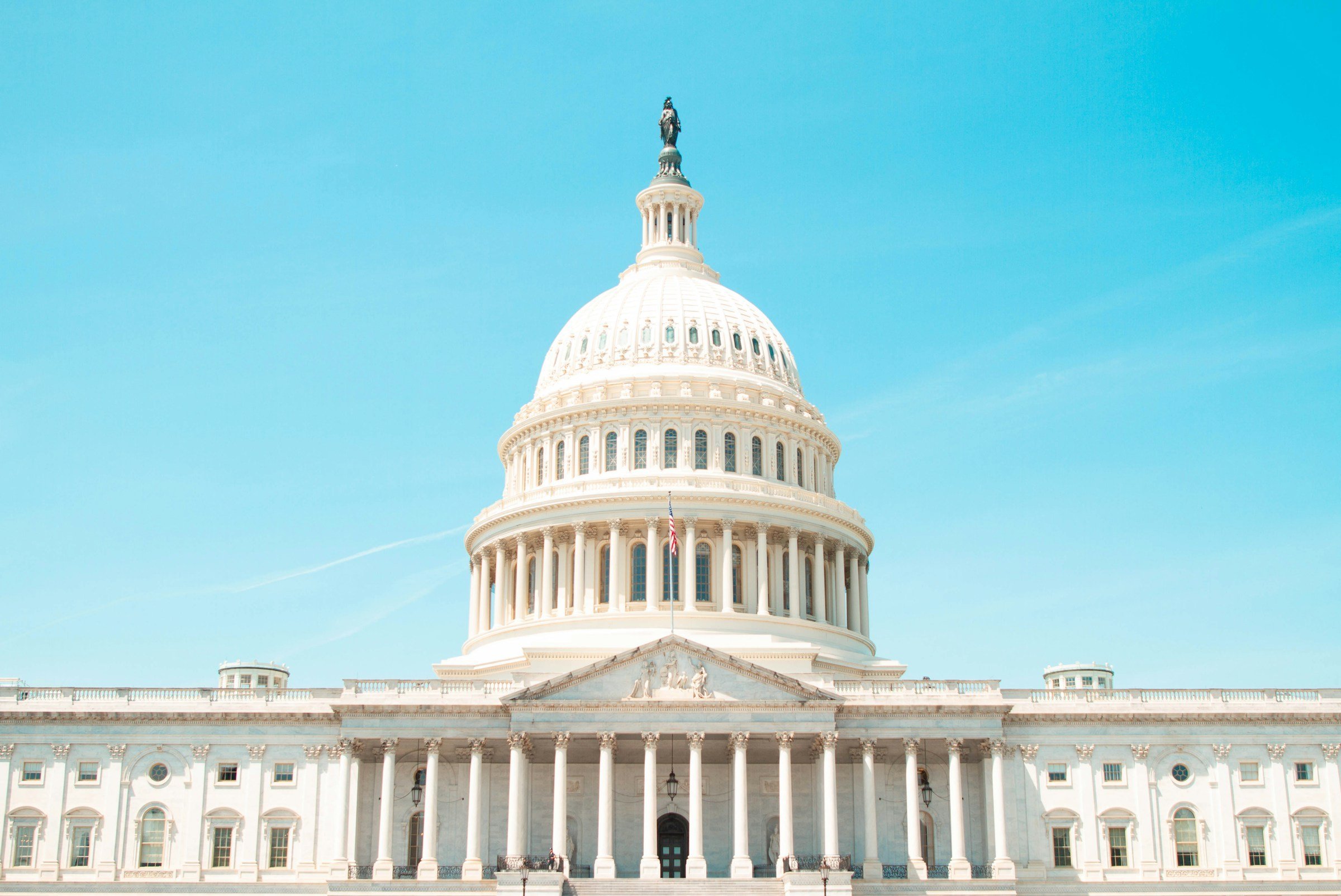
Because you need it during a vote. Or a hearing. Or a motorcade. The city empties government buildings onto the same sidewalks where tour groups photograph the Capitol dome, and everyone loses time. I watched the Air and Space Museum turn away a line of 200 people at 2pm on a Wednesday because Vice President Harris was using the street. The security perimeter ate three blocks. No warning on the website.

Washington DC
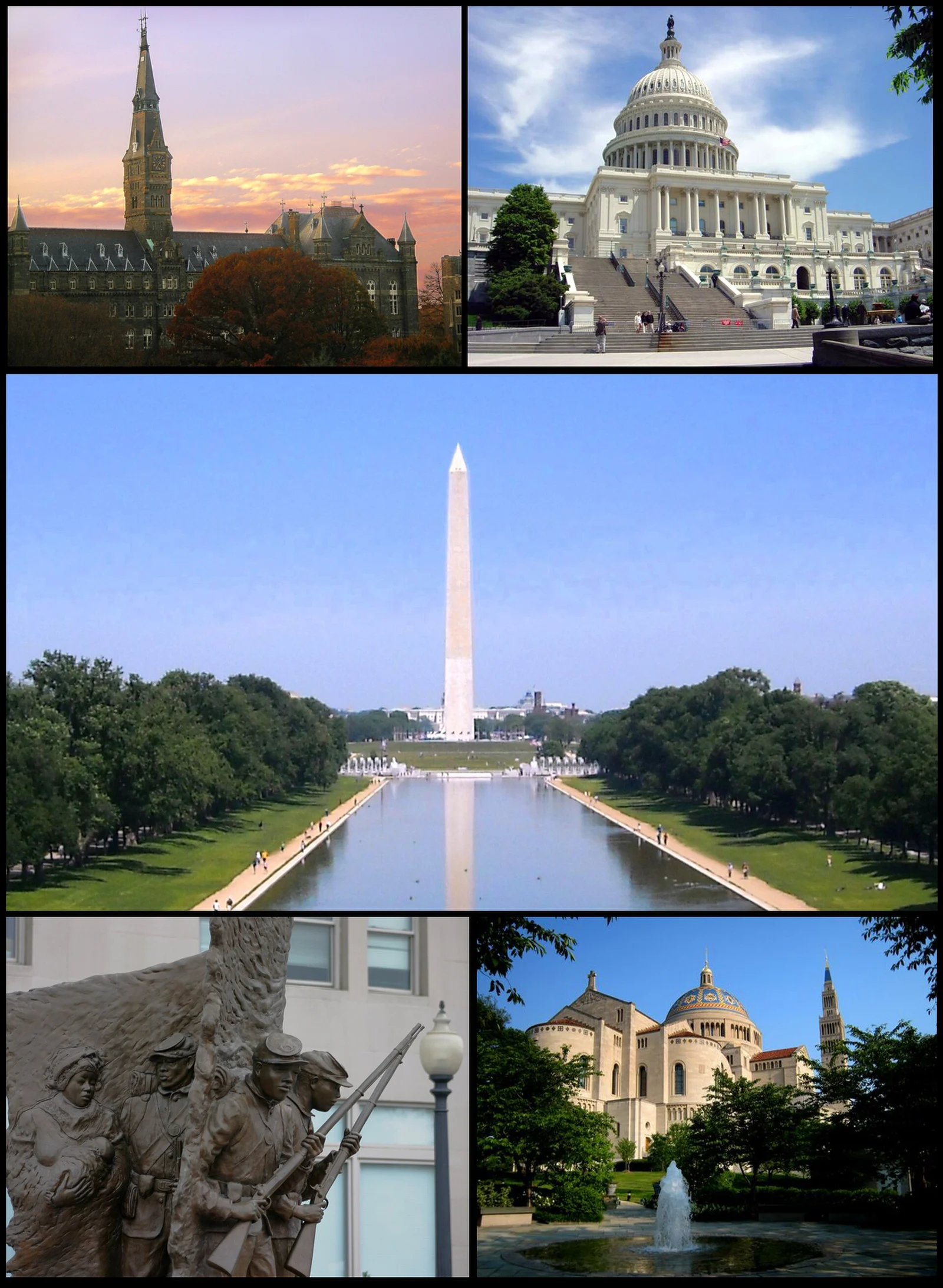
The Mall operates as both national public space and active government campus. That tension never resolves. Street closures appear without notice. The Smithsonian occasionally prioritizes a diplomatic visit over your timed entry pass. Constitution Avenue becomes impassable when the President moves between buildings.
Check @AboutCapitolHill on Twitter for real-time closures. The official tourist sites lag by hours. A staffer account will tell you Pennsylvania Avenue is locked down before the NPS updates its map.
Everyone says the monuments are free. What actually costs money?
The monuments themselves cost nothing. Getting near them during anything resembling convenient hours might cost your entire morning. The Washington Monument requires timed tickets released at 10am daily on recreation.gov. They vanish in four minutes. You can pay a concessionaire ($1.50 per ticket service fee plus another $1 facility fee) for same-day tickets that also vanish, just slightly slower.
Inside the Capitol requires advance reservation through your Congressional representative’s office or a same-day standby line that opens at 8:30am and closes when 50 people are waiting. On busy days it can fill before 9am. The Library of Congress tour is walk-in but stops admitting people when the reading room reaches capacity, usually by 11am.
Food costs more than it should this close to so much marble. A salad near the National Gallery runs $16. The museum cafeterias all charge museum prices. Walk three blocks in any direction and you’ll find Ethiopian food on U Street or pupusas in Mount Pleasant for half that, but those three blocks take you past security checkpoints and bag inspections you’ll have to repeat on the way back.
How do people who work here deal with tourists?
They don’t use the Mall. Locals treat the center of the city like a river you cross quickly or avoid entirely. The Red Line metro at rush hour fills with Congressional staffers who will not make eye contact and will not slow down for someone reading a map. The right side of the escalator is for standing. The left side moves fast enough that stopping causes collisions.
Every restaurant within four blocks of a federal building offers a “Hill special” lunch under $12, available only between 11am and 1pm. Those tables turn every 35 minutes. You order at the counter, you bus your own tray, you’re eating alongside someone who has four meetings this afternoon and no patience for questions about which Smithsonian is best.
The good coffee is in Dupont Circle and Georgetown, neighborhoods where governance happens in private and tourists photograph rowhouses instead of neoclassical columns. The bookstores are there too. Politics and Prose on Connecticut Avenue, Kramers afterwards for pie, both full of people who live here and read things other than marble inscriptions.
What do I do when the monuments get boring?
Washington DC
They get boring fast. Ninety minutes of righteous stone and you’ve had your fill of democracy visualized in limestone. The trouble is the city built its entire tourist infrastructure around that ninety minutes, then ran out of ideas.
The National Arboretum sits empty most afternoons. Twenty-two original Corinthian columns from the Capitol’s 1828 renovation stand in a field that sees few visitors. No crowds, no bag check, no interpretive signage about shared sacrifice. Just vandalized neoclassical ruins and bonsai trees older than the Metro system.
Eastern Market on weekends works if you want to see residents spending money on something other than political messaging. The flea market runs year-round. The lunch counter inside makes blueberry pancakes that locals argue about. The plates get eaten, not photographed for democracy content.
Rock Creek Park cuts through the northwest quadrant, 1,700 acres the city forgot to monumentalize. Joggers, dog walkers, the occasional coyote. Trails that don’t terminate at a statue. You can walk for an hour without seeing anything designed to teach you a civics lesson.
Is the Metro actually useful or just decorative infrastructure?
Useful if you’re moving between monuments during off-peak hours. Actively hostile during shift changes. The system was built to move federal workers, not families with strollers trying to reach the pandas. Rush hour means 8am to 9:30am and 4:45pm to 6:30pm. Trains every three minutes, all of them full of people who know which door opens at their platform and position themselves accordingly.
A day pass costs $13 and makes sense only if you’re doing five trips. Otherwise pay per ride (starting at $2 off-peak, up to $6 during rush). The SmarTrip card requires a $2 purchase but saves the mental overhead of calculating fares. Every gate exit charges based on distance and time of day.
Silver Line goes to Dulles now, which helps if you’re flying in. The trains stop running at 11pm on weeknights, midnight on weekends. Miss that and you’re paying $60 for an Uber from Arlington. Tysons Corner to Capitol Hill after a delayed flight taught me that lesson once.
What’s the thing nobody mentions about visiting here?
How much of the symbolism is inaccessible. You can’t walk up the Capitol steps anymore. You can’t get within 50 feet of the White House fence. The Supreme Court allows you into a ground-floor hallway but not the courtroom unless you’re willing to wait in line for one of 50 public seats at oral arguments that start at 10am sharp.
The distance between the mythology and the physical space keeps growing. More barriers, more checkpoints, more armed officers telling you this sidewalk is closed because of a package that might be a bag lunch. The monuments promise access to power while the security apparatus makes access impossible.
Georgetown’s rowhouses look better in photos anyway. Fewer soldiers, more restaurants that serve dinner past 9pm. The C&O Canal still runs where it always has, no ID check required.
If you liked this, you might like: Buenos Aires, Los Angeles, Havana.
Planning the trip? Compare hotel deals before you book.