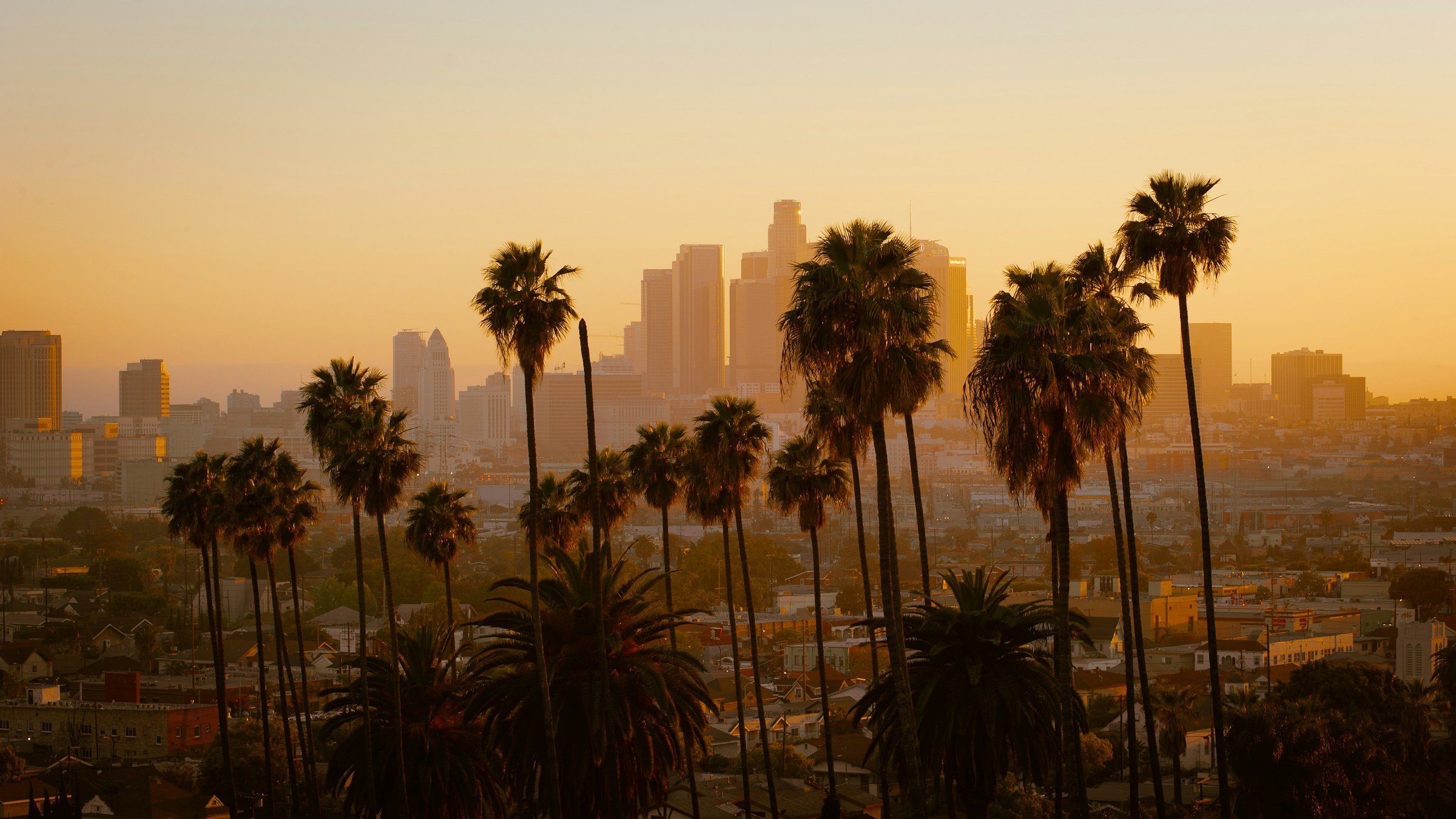
Starting at Union Station Where Nothing Connects
You walk out of Union Station into a plaza that feels like an architect’s rendering of civic hope. The Spanish Revival building looks ready for trains that pull people together. Then you see the parking lots stretching in every direction and understand that Los Angeles built this station after it had already decided cars won won. People arrive here and immediately scatter to separate zip codes that might as well be different cities.
Los Angeles
The thing nobody tells you about Los Angeles is that its sprawl isn’t accidental overflow. The city grew sideways on purpose, with each neighborhood claiming its own patch and never needing to acknowledge what lay ten miles west or east. You can live in Silver Lake for five years and never once have a reason to visit Torrance. The freeways promised to link everything but mostly just gave people faster ways to avoid each other.
Downtown, Where the Skyscrapers Stand Alone
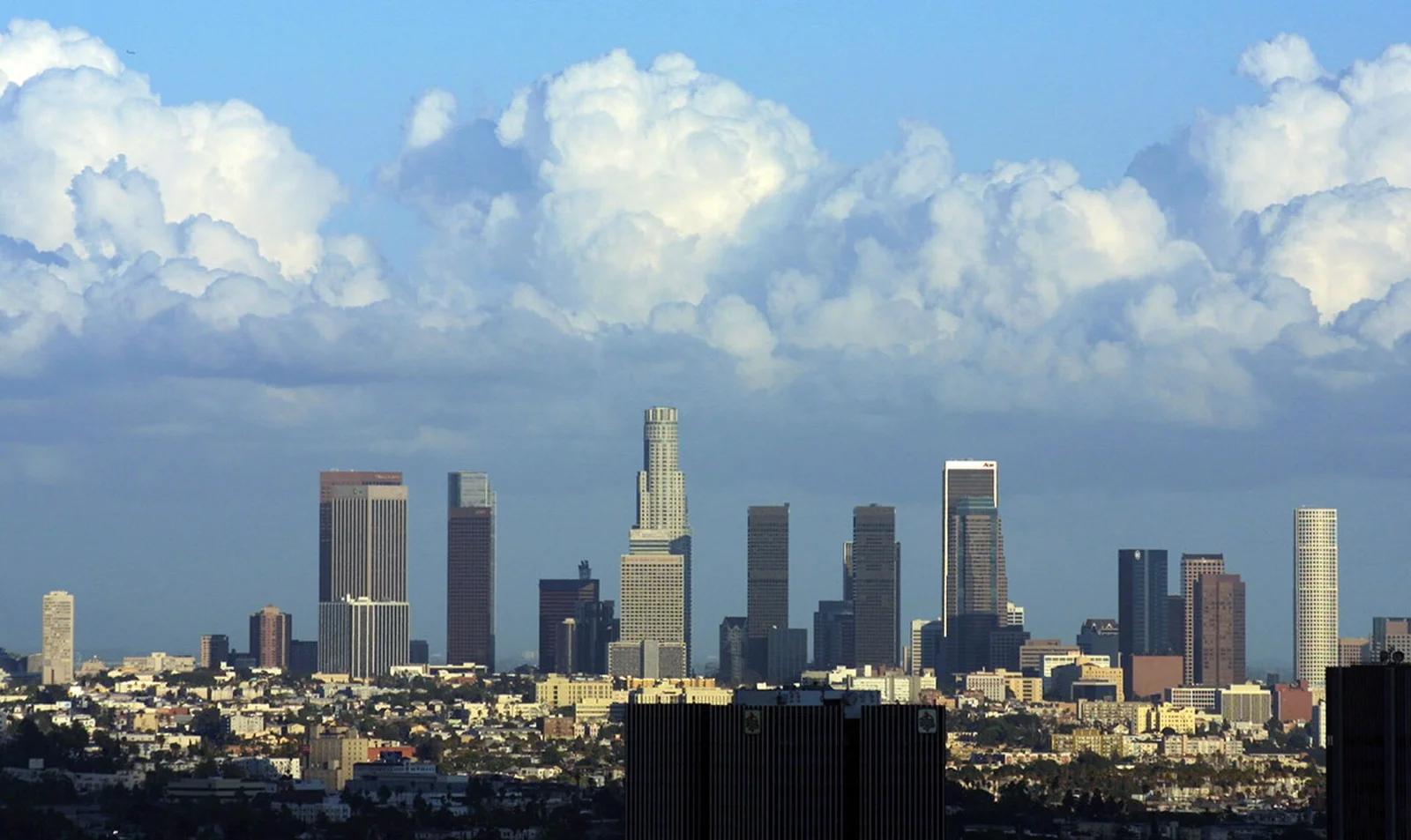
Walk three blocks east from Union Station and you hit downtown’s cluster of high-rises. They look like they were dropped into the grid from somewhere else. On weekday mornings the sidewalks fill with people in business clothes moving between office towers. By 6pm the streets empty out. There’s no residential mass here to keep things alive after work hours, just a few loft conversions that tried to sell downtown living and mostly attracted people who wanted to say they lived downtown.
The Arts District sits just southeast, separated from the financial core by freeways and railway tracks. Galleries and coffee shops occupy old industrial buildings. It feels like a neighborhood that appeared in the last ten years, which is close to accurate. Before that it was empty brick and loading docks. Now it has restaurants charging $18 for grain bowls and murals covering every available wall. The crowds here are different from the ones five blocks north. They never overlap.
Echo Park, Holding the Lake Like a Secret
Head northwest toward Echo Park and the city shifts without announcing it. Palm trees lean over streets named Echo Park Avenue and Sunset Boulevard. The lake sits in the middle of the neighborhood with paddle boats nobody uses and lotus flowers that bloom in summer. People walk loops around the water, but they’re locals. This isn’t a destination, just a neighborhood amenity.
The hills surrounding the lake hold houses stacked at odd angles, connected by staircases and paths too narrow for cars. You see Silver Lake just across the 101 freeway, close enough to walk if the freeway weren’t there. But it is there, and nobody walks it, so Silver Lake stays separate. Echo Park skews more Latino. Silver Lake skews whiter and gay. They share a border but not much else.
Silver Lake, Where the Eastside Pretends It’s Not Sprawl
Los Angeles
Cross into Silver Lake and the coffee shops multiply. The reservoir cuts through the middle of the neighborhood, surrounded by a walking path that draws joggers at all hours. The residential streets here curve and climb, filled with mid-century homes that real estate agents call “architectural gems” and price accordingly.
Sunset Junction sits at the neighborhood’s heart, a few blocks of shops and restaurants that feel like they’re trying to be a village center. It works better than most LA attempts at walkable density. You can park once and visit three places on foot. That counts as urban success here. But drive ten minutes in any direction and you’re back in car-dependent sprawl, with strip malls and single-family homes set back from wide streets.
Los Feliz, Pressed Against Griffith Park
Keep heading west into Los Feliz and the hills get steeper. Griffith Park forms the neighborhood’s northern edge, a wilderness large enough that people get lost in it. Los Feliz Village clusters along Vermont Avenue, a strip of restaurants and vintage shops that locals defend as authentically neighborhood-y. It attracts slightly older money than Silver Lake, slightly more settled families.
The Greek Theatre sits in the park above Los Feliz, hosting concerts that draw people from across the basin. They drive in, park, see the show, and leave. Nobody wanders down into Los Feliz afterward. The neighborhood stays separate even when thousands of people pass through it.
West Hollywood and Beverly Hills, Money Without Connection
Head west on Sunset and you pass through West Hollywood, where the gay bars and clubs line Santa Monica Boulevard in a concentrated strip. The neighborhood has its own city government, its own police force, its own priorities that don’t need to align with Los Angeles proper. On weekend nights the clubs fill with people from across Southern California. During the day it’s quiet residential streets with rent control and long-term tenants.
Beverly Hills starts without warning, marked by cleaner sidewalks and bigger setbacks. The houses hide behind gates and hedges. Rodeo Drive gets the tourists, but most of Beverly Hills is just residential sprawl with higher property values. People shop here or work here, but the city remains a separate island inside the LA basin, uninterested in connecting to anything beyond its borders.
Santa Monica, Ending at the Ocean With Nowhere Else to Go
Push all the way west to Santa Monica and you hit the Pacific. The pier extends into the water with its Ferris wheel and arcade games, a destination that draws crowds who might never see any other part of Los Angeles. The beach runs for miles in both directions, lined with a bike path that feels like the only truly public space in the entire city.
But even here the separation holds. The tourists stay near the pier. The locals use the beach farther north or south. Third Street Promenade offers outdoor shopping that could be anywhere. Montana Avenue has boutiques for residents who never go to the promenade. The neighborhoods within Santa Monica don’t mix, and Santa Monica itself stays disconnected from the rest of Los Angeles by the 405 freeway and the twenty miles of sprawl between here and downtown.
The city built itself as separate villages that never needed each other. The sprawl isn’t a problem to solve. It’s the original design.
If you liked this, you might like: Ottawa, Miami, Washington DC.
Planning the trip? Compare hotel deals before you book.