1. The Billboard on I-95
You’re driving north from the airport and the billboard advertises a lawyer who specializes in residency applications. The face is huge, professionally lit, confident. Three exits later, another billboard, same category, different face. By the time you reach downtown you’ve counted six. No city puts up this many immigration attorneys on highway advertising unless half the population is in mid-paperwork limbo.

The rental car shuttle driver is from Haiti. He’s been here four years. When you ask if he likes Miami, he says “it’s good for now” in a tone that suggests he’s said this exact phrase a hundred times and might be gone by spring. His cousin runs a detail shop in Little Haiti. That cousin arrived three years before him. Their plan is California eventually, maybe.
Nobody you meet over the next week describes Miami as home. They describe it as a step. A layover. A place to get the right papers, make the right connections, save the right amount. The city doesn’t take offense. It’s built for this.
2. The Apartment With No Furniture
You visit a friend in Brickell and the apartment is gorgeous. Floor-to-ceiling windows, fortieth floor, Biscayne Bay spread out like a postcard. The furniture is four folding chairs, two air mattresses, and a card table. Your friend has been here eighteen months. She’s from Bogotá. She works in finance. She makes good money. The apartment is not temporary because she can’t afford better. It’s temporary because furnishing it would mean admitting she’s staying.
Her roommate is from Caracas, been in Miami three years, talks about Austin the way other people talk about ex-lovers. Might go. Probably should. Hasn’t yet. The lease renews every six months because annual feels like a commitment nobody’s ready to make.
Walk through any Brickell high-rise and you’ll see this everywhere. Expensive units, minimal possessions. People living like they’re in an extended-stay hotel even when they’ve been there two years. You can lease the apartment but you can’t quite believe in it. Miami is very comfortable with your ambivalence.
3. The Restaurant That Didn’t Exist Last Year

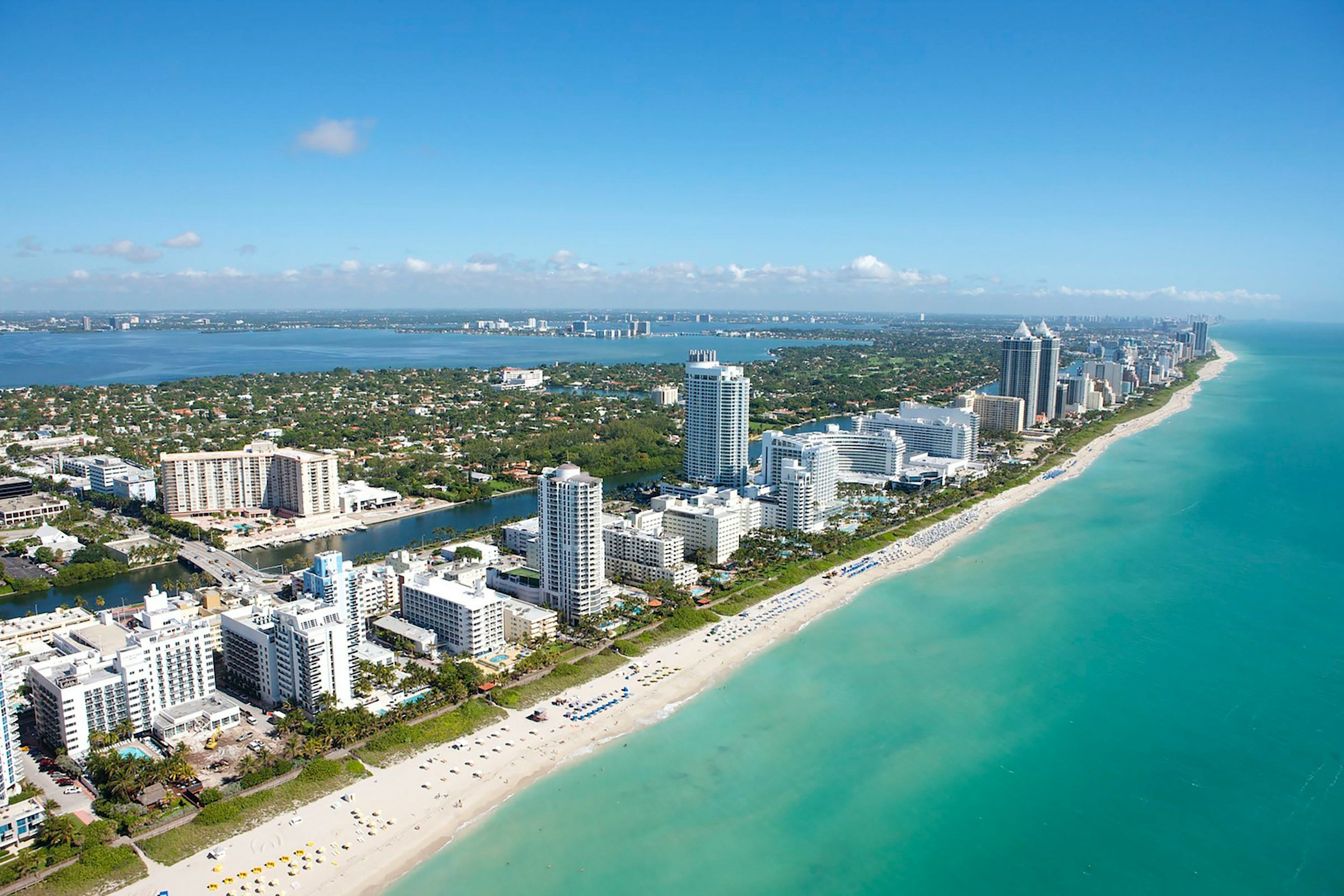
Miami
There’s a Venezuelan arepa spot on Calle Ocho you’ve read about. You show up and it’s gone. The space is now a Nicaraguan fritanga counter. You ask the guy working the register what happened to the arepa place. He shrugs. Says the owner went to Houston. Opened something there. This happens constantly.
The Nicaraguan guy has been open five months. Before this he worked construction in Homestead. Before that he was in Managua. He might do Houston next too, or maybe North Carolina where his brother is. Depends on how the next year goes. The fritanga is excellent. You eat chicharrón with yuca and cabbage slaw (eleven dollars) and wonder if this counter will be here next time you visit.
Miami’s restaurant scene turns over faster than almost anywhere because the people running the restaurants are themselves in flux. A place gets momentum, the owner’s visa situation changes or a better opportunity appears in Atlanta or they just get tired of the heat. The churn is constant. Nobody’s grandfather opened this business. Nobody’s planning to pass it down.
4. Overtown at the Transfer Station
You take the Metrorail to see what the non-tourist zones feel like. At the Government Center transfer, three different people ask you for money in three different languages. The train smells like someone’s been sleeping on it. The woman across from you is reading a Bible in Creole. She’s dressed for an office job. Her shoes are new but her bag is held together with duct tape.
Overtown Station is where you see the economics plainly. This is not South Beach. This is not Wynwood. This is people who arrived with nothing, working two jobs, sending money elsewhere. The barbershop by the station has a wire service sign in the window. You can get a cut and wire funds to Port-au-Prince in the same trip.
A guy outside the station is selling phone cards and knock-off cologne. He’s from Cuba, got here on a raft in the nineties, stayed because what else are you going to do. He’s one of the few people you meet all week who’s been in Miami longer than a decade. Even he talks about maybe retiring in Hialeah or Fort Myers. Somewhere cheaper. Somewhere that isn’t quite so relentlessly focused on the next wave of arrivals pushing out the last wave.
5. The Beach You Share With People Leaving Tomorrow
South Beach at dusk is where the whole transient logic becomes beautiful instead of exhausting. You’re sitting on the sand near 12th Street and every third conversation you overhear is about departure. Someone’s flying back to São Paulo. Someone else is moving to New York next month. Someone’s going to Madrid for work.
The guy next to you is from Mexico City, in Miami for a conference, staying an extra two days because the flights were cheaper that way. He asks if you live here. You say no. He nods like that makes sense. Says he looked at jobs here once but couldn’t imagine it. Too loud, too humid, too temporary. You don’t argue.
The sun drops into the ocean and the whole beach is people who will be somewhere else soon. That’s the actual vibe of Miami. Not a melting pot, which implies people stay long enough to blend. More like an airport terminal with good weather and decent nightlife. Everyone’s waiting for their connection. Some wait six months, some wait six years, but almost everyone’s waiting. The ones who stay do so by accident, or exhaustion, or because the next city turned out to require papers they don’t have yet.
You walk back to your hotel past art deco buildings lit up in pink and blue. Beautiful, impermanent, full of people who just got here and people packing to leave. The city works because it never pretends otherwise.
If you liked this, you might like: New York, Los Angeles.