When the Air Turns Gray and Cold at Mid-Afternoon
You start the morning in a t-shirt on Valencia Street, coffee in hand, sun bright enough to squint. By the time you finish lunch the temperature has dropped fifteen degrees and you are pulling on a fleece you bought specifically for this city. The fog does not creep in. It arrives like a curtain drop, thick and fast, swallowing the tops of buildings and turning the light flat and silver. This happens most days during the season when other cities are hottest, the exact opposite of what anyone expects from California. Visitors pack swimsuits and sunglasses and spend their first afternoon shivering on the Hyde Street cable car, wondering what they did wrong. Nothing. This is just how San Francisco works.

San Francisco
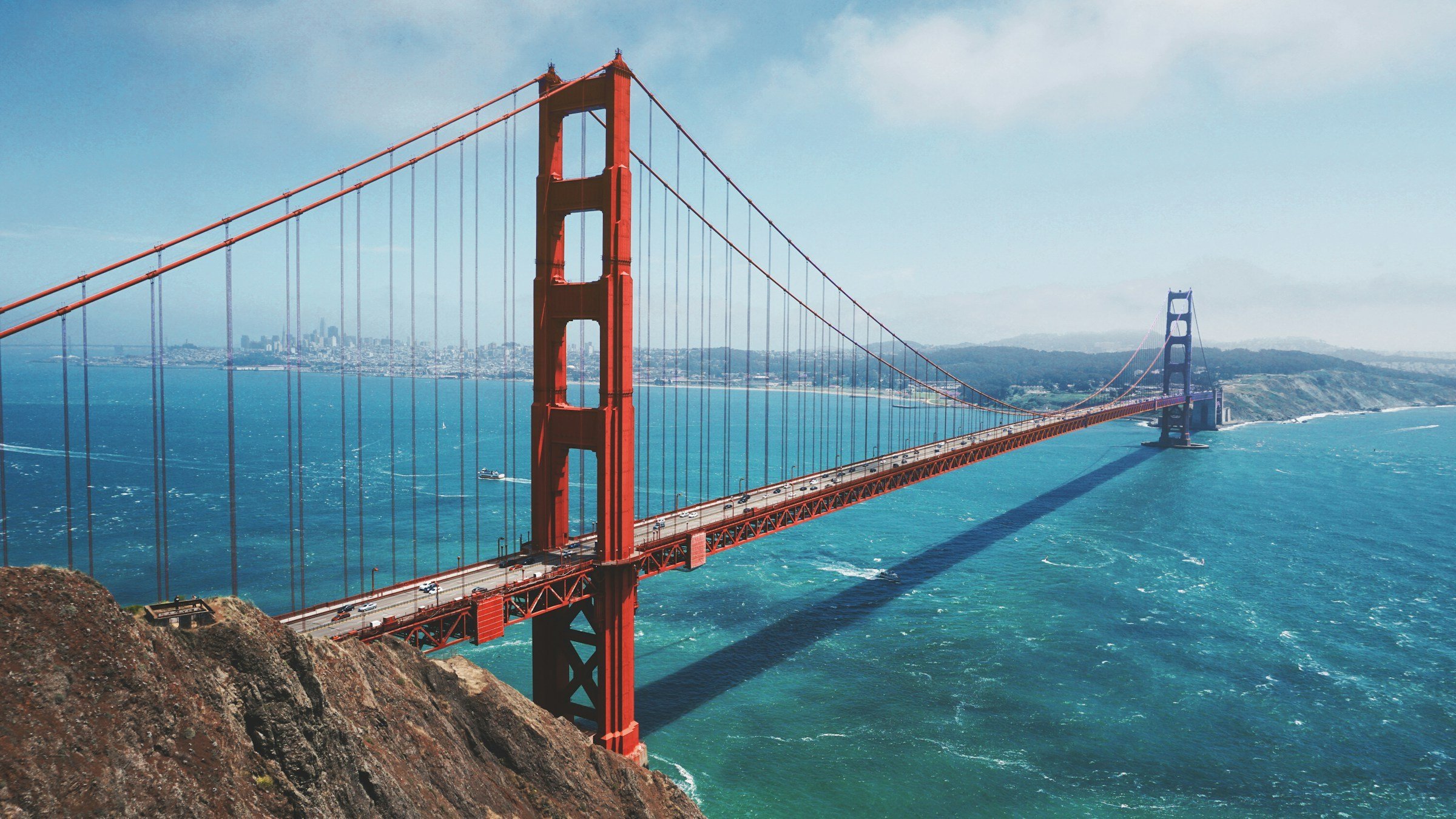
The fog has a name, Karl, given by someone on the internet years ago, and the name stuck because it fits the personality. Karl shows up uninvited, makes everyone cold, and leaves when he feels like it. He comes from the Pacific, where cold ocean currents meet warm inland air and produce this massive bank of moisture that funnels through the Golden Gate and spreads across the western half of the city. The Marina gets socked in first. Then the Presidio, then the Sunset and Richmond districts, where houses stay damp and residents own three different weights of jacket. The eastern neighborhoods, the Mission and Potrero Hill, stay sunny longer because they sit behind hills that act as a wall. You can stand at Dolores Park in full sun and watch the fog stop at the ridge above you, a clean line between two weather systems in the same zip code.
What the fog does to the city is more than temperature. It resets the mood. Morning San Francisco is bright and energetic, people in running gear on the Embarcadero, tourists lining up for Tartine croissants, tech workers on scooters weaving through traffic. Afternoon San Francisco is quieter, more internal. The light goes soft. Colors mute. You notice sounds differently when visibility drops, footsteps on pavement, the clang of the J-Church streetcar, conversations from apartment windows. The fog makes the city feel smaller and older, less like a tech hub and more like the working port it used to be. You stop thinking about your phone and start paying attention to where you are.
Dressing for Two Seasons in One Day
The number one mistake is packing for summer. The warmest months in San Francisco average 63 degrees Fahrenheit, and the peak of summer is colder than its edges. Locals wear jeans year-round and keep a jacket within arm’s reach at all times. The uniform is layers: t-shirt, long sleeve, fleece or hoodie, windbreaker. You peel them off in the morning and put them back on after lunch. Tourists in shorts and tank tops end up buying overpriced sweatshirts that say “San Francisco” in puffy letters from the shops near Fisherman’s Wharf, and those sweatshirts exist specifically because this happens to thousands of people every week.
The microclimates mean you can fix the problem by moving a mile east. If you are freezing at Ocean Beach, take the N Judah inbound to the Castro and you will warm up. If the Mission feels too hot, walk twenty minutes west to Corona Heights and you will hit fog. The city is small enough that you can chase the weather you want, but most people do not realize this until they have lived here awhile. They assume San Francisco is one temperature and get frustrated when their afternoon at Crissy Field turns into a cold endurance test. The beach is beautiful when the fog sits just offshore, a gray wall behind the surfers, but it is not a place to sunbathe. Bring a hoodie or leave early.
What locals know is that the fog breaks by evening in some neighborhoods. The sun comes back out around six or seven, low and golden, and suddenly the city is warm again for an hour before dark. This is when people sit outside at restaurants, when the parklets on Valencia fill up, when you see kids playing soccer in Dolores Park with the light going orange on the palm trees. The evening warmth feels stolen, like you got away with something. It does not last long.
Where the Fog Shapes What You Do
San Francisco
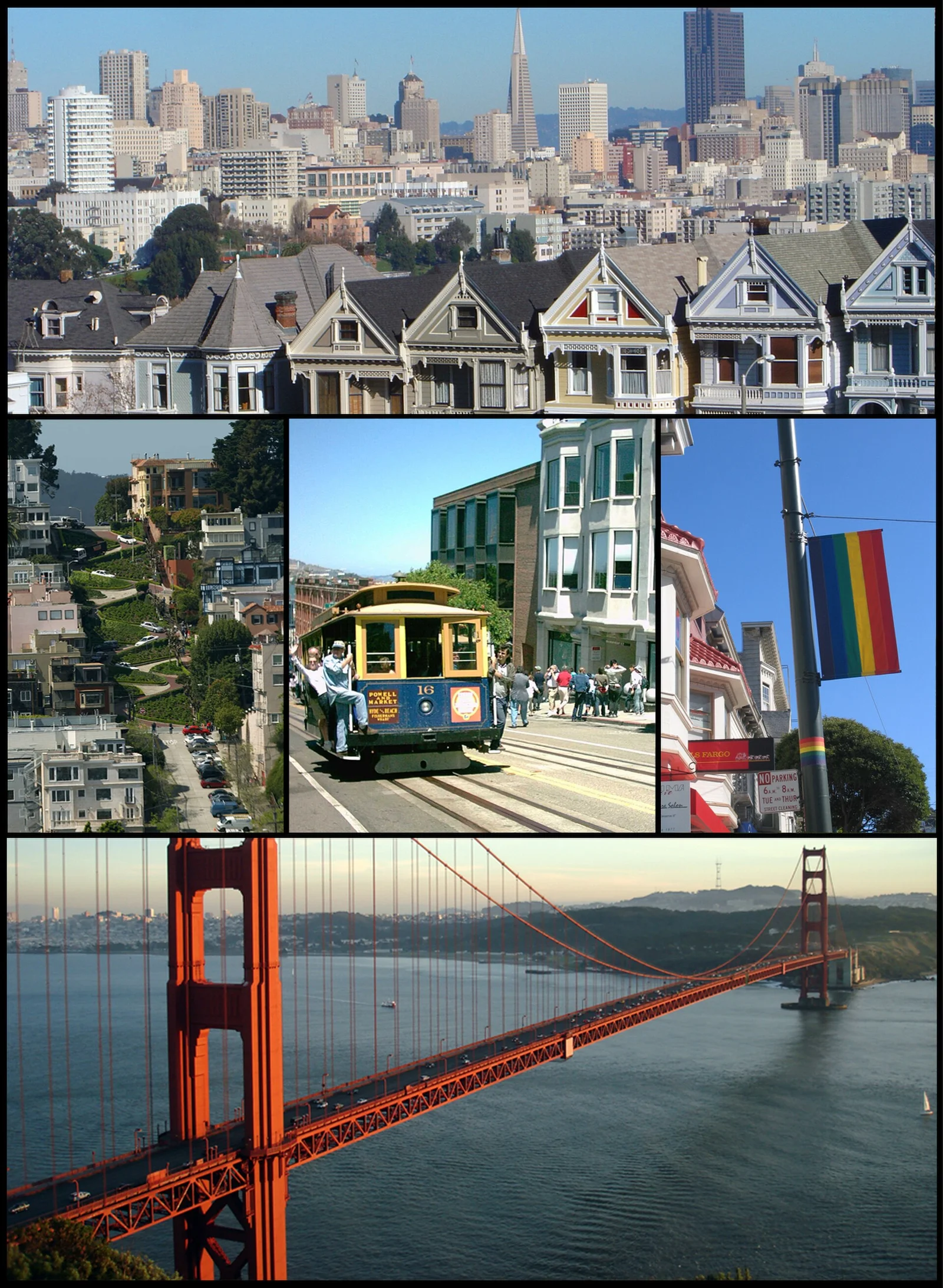
The fog determines which neighborhoods feel right on which days. The Sunset and Richmond districts are beautiful but relentlessly cold and gray when the rest of California is sweltering. The rows of pastel houses look best in flat light, but you will not want to spend all day there unless you like that specific mood. These are residential areas with good dim sum on Clement Street and quiet beaches at the end of numbered avenues, but they do not have the energy of the eastern side. People who live there accept the fog as part of the deal. They own space heaters and good coffee setups and books. They are not trying to be outside all the time.
The Mission stays warmer because it sits in a natural sun trap between hills. This is where you go when the western half of the city disappears into gray. The murals on Balmy Alley and Clarion Alley look better in direct sun. The taquerias on 24th Street feel right when it is warm enough to eat outside. You can sit at Dolores Park on a foggy afternoon and watch the dividing line between weather systems move as the day goes on, the fog advancing or retreating depending on wind. It is a specific kind of weather-watching that makes sense only in this city.
The downtown core and Financial District get their own version of fog, thicker and more industrial because of the buildings. Walking through the canyons of skyscrapers when the fog sits low is like moving through a black-and-white photograph. The Transamerica Pyramid disappears above the twentieth floor. Car headlights stay on in the middle of the afternoon. It feels like a different city than the one you woke up in, colder and more anonymous. You duck into Blue Bottle on Mint Plaza or Sightglass on 7th Street and the warmth and noise feel like relief.
What the Fog Teaches You About the City
San Francisco makes more sense once you stop fighting the weather. The fog is not a bug. It is the defining feature. It keeps the city cooler than it should be at this latitude, which keeps the hills green longer and the air breathable when the Central Valley hits 105 degrees. It makes the warm season the worst time for tourists and the best time for locals who know how to dress. It gives the city a moodiness that shows up in the music and art and writing that comes out of here, a foggy melancholy that is harder to find in places with reliable sun.
You learn to check the microclimate before you make plans. You learn that the view from Twin Peaks is only worth the trip if the fog is low enough to see past. You learn that Golden Gate Bridge photos look better with fog than without, the towers emerging from white like a postcard from 1955. You learn that some neighborhoods feel oppressive under gray skies and others feel exactly right. The fog sorts people. If you hate being cold when you expected warmth you will not stay here long. If you like the idea that weather can change the emotional texture of a place within hours, you will understand why people defend this city so fiercely despite the rent and the grime and the fact that summer is a lie.
The thing nobody tells you is that the fog makes you notice the sun more. When it finally burns off or when you cross into a warm pocket of the city, the light feels like a gift. You take off your jacket and feel the warmth on your arms and it registers in a way it would not if the weather were predictable. San Francisco makes you pay attention. The fog is the price and the reward.
If you liked this, you might like: Lima, Miami, Buenos Aires.
Planning the trip? Compare hotel deals before you book.