Dubai

Dubai

Flights
Hotels

The Metro Reveals What Cars Were Designed to Hide

You board the Red Line at Burj Khalifa/Dubai Mall, stepping into a train car with tourists filming themselves and South Asian workers heading home from shifts. The cabin smells like cologne and industrial detergent. Stay on past Internet City, past Jebel Ali, all the way to UAE Exchange. When you exit at the end stations like Nakheel Harbour or Rashidiya, you find the city's economic backbone: labor accommodation blocks stretching to the horizon, each building housing hundreds of men earning 900 to 1,500 dirhams a month (245 to 410 USD). The metro connects but also partitions. Construction workers ride the same rails as hedge fund managers but exit into different Dubais entirely.

Dubai
Dubai

The stations near Business Bay glow. Neon signage in English advertises property launches and luxury car dealerships. Fifteen stops later, signage switches to Malayalam, Urdu, Tagalog. Phone shops advertise international calling cards. Restaurants serve dosa for 5 dirhams. The metro didn't just link neighborhoods; it made visible a geography previously obscured by highways and one-way commutes in company buses with tinted windows.

Sonapur Sits Four Kilometers From Dubai Silicon Oasis

Drive south on Emirates Road past the tech campuses and glass offices. Exit at Sonapur. The name translates to "city of gold" but the irony runs deeper than wordplay. Rows of identical beige buildings house laborers who built the towers they will never afford to enter. In the mornings, men wait in groups for buses that take them to construction sites across the emirate. At midday, the streets empty. Heat bakes the pavement to 50 degrees Celsius and window-unit air conditioners struggle. You can stand at the edge of Sonapur and see the skyline they constructed shimmering in haze.

This is not hidden. Google Maps labels it. Taxis know it. But tourist itineraries route around it, and highway interchanges funnel traffic past without easy exits. The separation is architectural. You do not stumble into Sonapur. You decide to go.

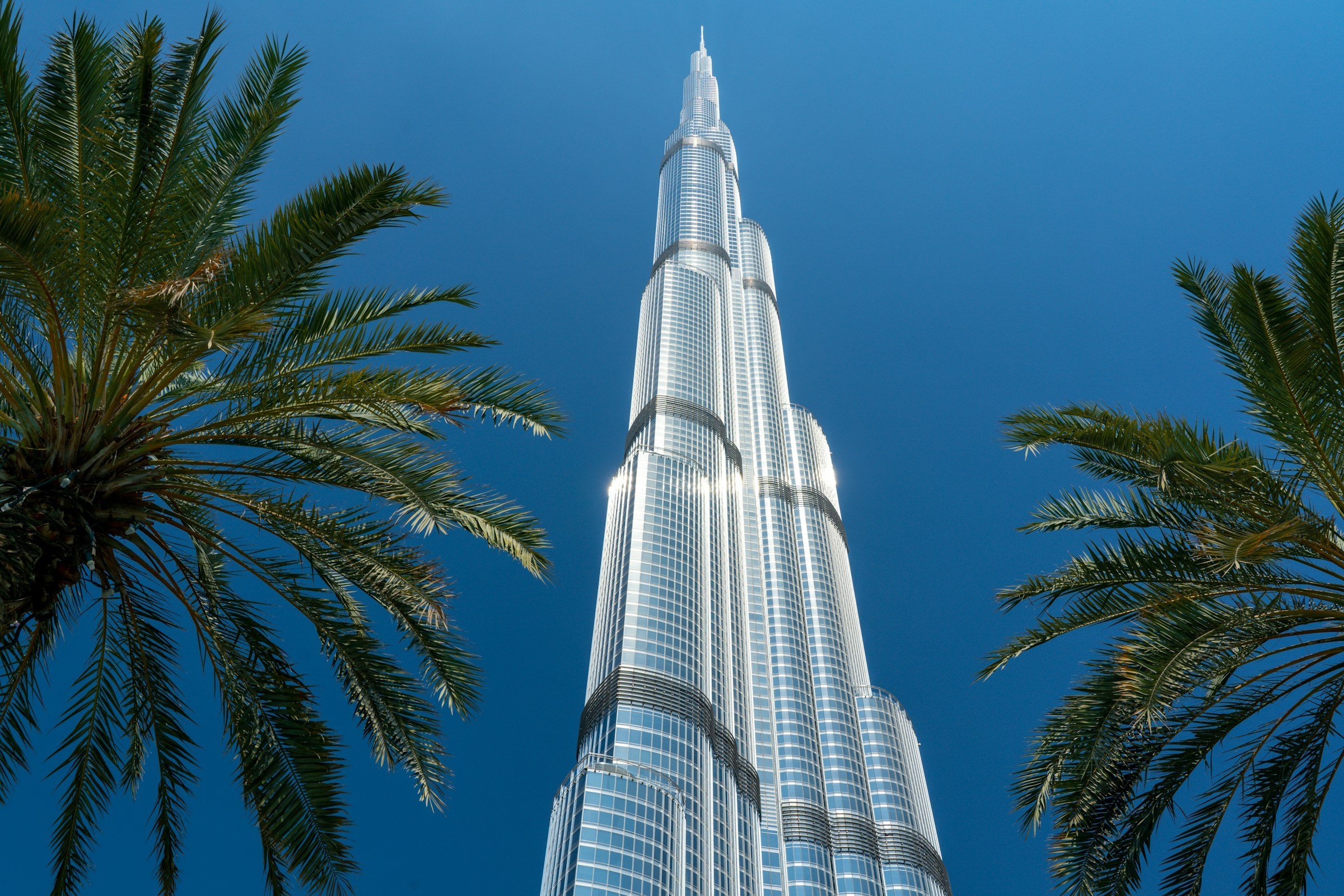
The Burj Khalifa Observation Deck Costs What Some Workers Earn in Four Days

Tickets to At the Top on the 124th floor start at 160 dirhams (44 USD). A laborer earning 35 dirhams a day (9.50 USD) works four and a half days to afford the entry fee, not counting food or remittances sent home. The calculus is not theoretical. I asked a Nepali cleaner outside Dubai Mall if he had been to the top. He laughed, not unkindly. "I see it every day," he said. "That is enough."

The building's construction history is documented but sanitized. Worker deaths, wage theft, passport confiscation. These realities surfaced in investigative reports and were met with reforms that mostly changed paperwork. Stand at the base of Burj Khalifa at shift change and watch uniformed maintenance crews exit through side doors tourists never see. They built the monument, they clean it, they service its systems. But the observation deck frames their work as spectacle viewed from above, not labor performed from within.

Al Quoz Industrial Area Borders Al Safa, Where Villas Sell for 15 Million Dirhams

Dubai
Dubai

Al Quoz warehouses stock furniture, car parts, textiles. Forklifts move pallets. The smell is diesel and cardboard. Workers live in converted storage spaces or prefab units stacked behind the warehouses. Cross Al Wasl Road and you enter Al Safa, a neighborhood of walled compounds with private pools and Land Cruisers in driveways. The distance is 800 meters. The economic gap is a canyon.

This adjacency repeats across the city. Luxury and labor do not mix, but they share borders. The pattern is deliberate. Proximity enables the service economy. Maids, drivers, gardeners, security guards commute minutes instead of hours. But roads, walls, and gated entries maintain separation. I walked from Al Quoz to Al Safa once. No sidewalks. Chain-link fencing. The route exists on a map but not in practice.

Sheikh Zayed Road at Night Erases What Daylight Reveals

Drive Sheikh Zayed Road after dark and the city looks like its own promotional video. LED facades on Emirates Towers, the twisting Cayan Tower, the gleaming line of high-rises fading into distance. No litter. No decay. The highway cuts through with precision, six lanes in each direction.

Make the same drive at 6 a.m. and you see the labor buses. White vans and coaches transporting crews to job sites. Men in orange vests and hard hats visible through windows. The buses use the same highway but they vanish into the background. Camera angles edit them out. Postcards omit them. The nighttime city is the brand. The daytime city is the mechanism.

Deira's Gold Souk Depends on Workers Who Cannot Afford What They Sell

The Gold Souk in Deira glitters under traditional wooden canopies. Shop windows display necklaces weighing 300 grams, bracelets crusted with diamonds. Salesmen speak a dozen languages. Prices start at thousands of dirhams. Behind the counters, assistants polish glass and rearrange inventory. Many earn 1,200 to 1,800 dirhams monthly (325 to 490 USD). They handle gold worth more than they will earn in a lifetime.

Walk two blocks east into the textile souk and wages drop further. Tailors alterating clothing for 20 dirhams, porters hauling bolts of fabric, shopkeepers sitting in stalls the size of closets. Deira is old Dubai, the commercial heart before oil money rewrote the skyline. But the same economics apply. Wealth concentrates. Labor sustains it. The architecture of the souk, cramped and layered, makes the proximity unavoidable. You cannot shop without seeing who serves.

The View From a Labor Camp Window Looks Toward Marina Towers

Stand in a labor camp near Jebel Ali and look northeast. On clear days, you see the Marina's cluster of residential towers, each one branded, each one rising 80-plus floors. Distance collapses perspective. The towers seem close enough to walk to, but the commute by bus takes 40 minutes. Men who poured the concrete for those buildings live in rooms shared by eight, sleeping in shifts because beds are limited. Rent is deducted from wages automatically. A bed costs 300 dirhams monthly. Privacy does not exist.

Contrast is not accidental. Dubai's internal geography reflects choices about land use, zoning, investment. The camps are legal, regulated, and inadequate. The towers are marketed globally as luxury product. Both outcomes follow from the same economic model: extract maximum value from labor, channel returns toward capital. The view from the camp window is not ignorance. It is clarity.

If you liked this, you might like: Doha, Amman.

Planning the trip? compare hotel deals from Stavanger, Oslo, Bergen, and Trondheim.

book your trip to Dubai
Flights
Hotels