Sao Paulo

We stepped off the Metro at Consolação at 22:14 on a Tuesday and watched three separate arguments unfold within sight of the turnstiles, smelled garlic and diesel in equal measure, and paid 18 reais for two caipirinhas that arrived in plastic cups with lime wedges the size of my thumb. This is São Paulo.

Chapter 01: Arrival

Guarulhos International sits 25 kilometers northeast of anything you came to see. We took the airport bus (45 reais, buy ticket at the EMTU counter past baggage claim) because the ride-sharing apps wanted 95 reais and the journey takes an hour regardless. The bus deposits you at Praça da República around 07:00 if you caught the early flight from Oslo via Frankfurt, which we did, and the square at that hour hosts sleeping bodies on every third bench, pigeons the size of small dogs, and a handful of lottery ticket vendors setting up their folding tables.

Our Airbnb was in Vila Madalena, the neighborhood every travel article mentions because it has street art and young professionals and cafes with oat milk. The apartment cost 285 reais per night in April, which converts to roughly $58, and had bars on the windows and a door lock that required three separate keys. The landlord, Patricia, met us at the building entrance and said in perfect English: “Do not walk alone after 23:00. Do not use your phone on the street. The bakery across the road opens at 06:00 and their pão de queijo is better than my mother’s, which I will deny if you quote me.”

We unpacked, showered in water pressure that could strip paint, and walked to the bakery. Patricia was right about the pão de queijo. We bought six for 12 reais and ate them on the curb watching morning traffic accumulate like a slow-motion avalanche.

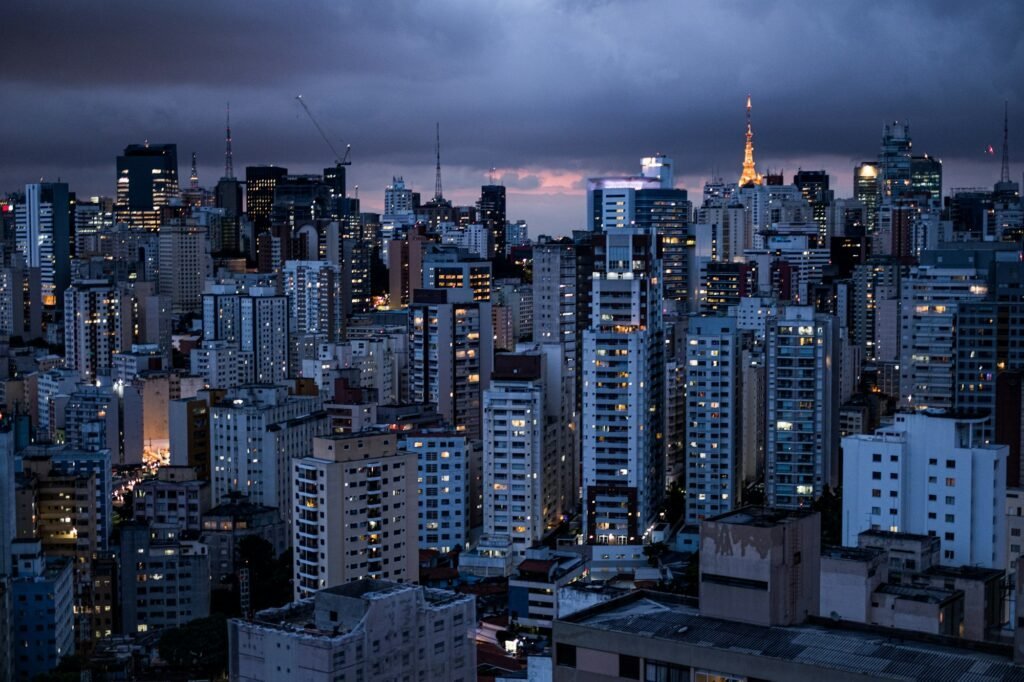
aerial view of dense São Paulo skyline at dawn with morning haze in Sao Paulo
aerial view of dense São Paulo skyline at dawn with morning haze. Photo: ikedaleo via Wikimedia Commons.

Chapter 02: Why now, and why here

São Paulo contains 12 million people within city limits and another 10 million in the metropolitan sprawl, making it larger than Sweden’s entire population compressed into an area the size of Rogaland. This matters because the city operates at a scale that resists tourism’s usual simplifications. You cannot “do” São Paulo in a weekend. You cannot reduce it to five Instagram locations. The city does not care if you understand it.

We came because Brazil’s currency has been weak against the krone for eighteen months and because São Paulo appeared on exactly zero bucket lists among our Norwegian friends, which made it interesting by absence. The city bills itself as the gastronomic capital of the world, a claim we found suspicious until we ate Lebanese food in Bom Retiro, Japanese food in Liberdade, Italian food in Bixiga, and Vietnamese food in a shopping mall food court, all within 36 hours, none of it exceeding 60 reais per person, all of it prepared by immigrants or their immediate descendants who arrived in waves throughout the twentieth century.

The city’s motto is “Non ducor, duco” which translates to “I am not led, I lead.” We learned this from a plaque in Ibirapuera Park and thought it perfectly captured the municipal personality: blunt, assertive, uninterested in consensus. São Paulo does not apologize for its traffic (the worst we have experienced on any continent) or its weather (gray and humid in April, gray and dry in July) or its wealth inequality (visible in the form of favelas pressed against luxury condominiums, sometimes sharing a wall).

The practical reason to visit now rather than later is flight prices. Norwegian operates seasonal São Paulo service from Copenhagen starting November 2025, with connecting fares from Stavanger running 4,800-5,600 kroner roundtrip if you book six months ahead. TAP Portugal via Lisbon costs similar amounts but adds four hours each direction. Once you arrive, hotel rooms in safe neighborhoods cost 200-400 reais per night, metro tickets cost 5 reais, and you can eat well for 40-70 reais if you avoid restaurants with English menus.

The city works best for travelers who treat size as feature rather than bug, who prefer grit over charm, who want their cities to feel like actual places where actual people conduct actual lives rather than stage sets optimized for visitor satisfaction. If you prefer Prague’s fairy-tale compactness or Copenhagen’s bicycle-friendly orderliness, book those cities instead. São Paulo will not miss you.

busy street corner in Vila Madalena with graffiti-covered walls and outdoor cafe tables in Sao Paulo
busy street corner in Vila Madalena with graffiti-covered walls and outdoor cafe tables. Photo: Wilfredor via Wikimedia Commons.

The city does not pause for rain or protests or your carefully planned itinerary.

Chapter 03: What to skip, honestly

Skip the Museu do Futebol unless you possess genuine interest in Brazilian football history beyond the World Cup highlight reels everyone has seen. We spent 90 minutes there and left thinking we could have learned equivalent amounts from Wikipedia while sitting in a park. The museum occupies space beneath Pacaembu Stadium, charges 24 reais admission, and contains many touch screens showing goals and statistics. Football enthusiasts will appreciate it. We did not.

Do not book the organized favela tours. Multiple agencies offer guided walks through Paraisópolis and other communities, pitched as cultural education with revenue-sharing agreements. These tours transform poverty into spectacle and reduce complex neighborhoods into photo opportunities for foreigners. If you want to understand São Paulo’s inequality, read “Cidade de Muros” by Teresa Caldeira or talk to the Uber drivers and hostel staff and market vendors who live these realities.

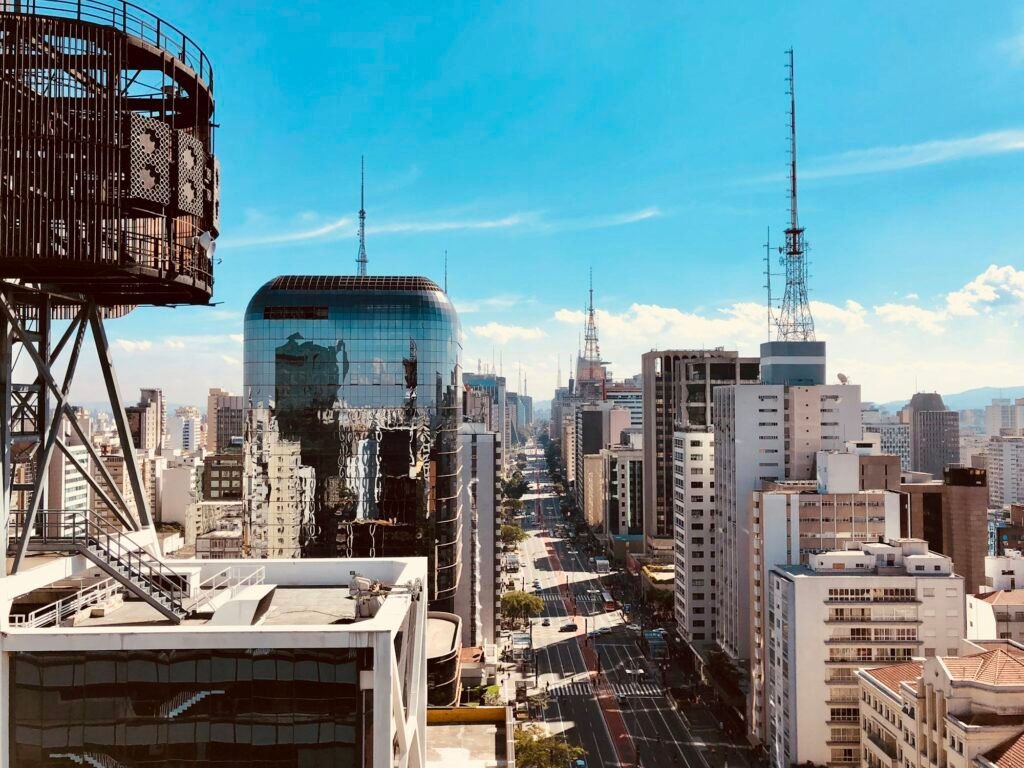
Avoid Avenida Paulista on Sunday afternoons unless you enjoy crowds that move at geological speeds. The avenue closes to cars on Sundays and transforms into a pedestrian zone, which sounds appealing until you experience 50,000 people moving in conflicting directions while street vendors sell corn and balloon animals. We tried it. We left after 20 minutes. The avenue is more interesting on weekday evenings when you can actually walk its length in reasonable time.

Skip the expensive rodízio restaurants in Jardins that cater to expense accounts and tourists. These all-you-can-eat steakhouses charge 180-250 reais per person and deliver meat in quantities that exceed human stomach capacity while waiters pressure you to try fifteen different cuts. Instead, find a simple churrascaria in Lapa or Pinheiros where locals eat lunch, pay 45-65 reais for a plate of grilled picanha with farofa and vinaigrette, and leave satisfied rather than uncomfortable.

Do not expect the city to be walkable. São Paulo’s scale defeats pedestrian ambition. Neighborhoods worth visiting sit kilometers apart, separated by highways and industrial zones and stretches of urban fabric that offer nothing except distance. Use the metro (clean, efficient, safe until 23:00) or ride-sharing (cheap, ubiquitous, essential after dark). Attempting to walk from Vila Madalena to Liberdade will consume three hours and provide zero reward beyond confirmation that you wasted three hours.

São Paulo metro station platform with arriving train and commuters in Sao Paulo
São Paulo metro station platform with arriving train and commuters. Photo: ikedaleo via Wikimedia Commons.

Dr. Mondo’s prescription

  • Stay in Vila Madalena or Pinheiros, not downtown or Jardins
  • Learn ten words of Portuguese before arrival (English penetration is lower than you expect)
  • Carry small bills (many places cannot break 100 real notes)
  • Install 99 Taxi app in addition to Uber (better coverage, similar prices)
  • Budget 200-300 reais daily for food, transport, and modest entertainment
  • Accept that you will not see everything, because everything is impossible
  • Visit markets on Saturday mornings when locals shop and vendors negotiate
  • Eat at least one meal in a Japanese restaurant in Liberdade (largest Japanese community outside Japan)

Chapter 04: One perfect day

We start at 07:00 in that same bakery across from our Vila Madalena apartment, ordering pão na chapa with butter and cafe com leite that arrives in cups glazed the color of caramel. Total cost: 16 reais. We sit at the counter watching the baker pull trays from the oven while morning commuters file through buying their breakfast in movements so routine they could perform them sleeping.

By 08:30 we are on the metro heading to São Bento station in the city center. We surface into Praça da Sé where the cathedral rises in neo-Gothic insistence, surrounded by vendors selling everything from religious icons to cell phone chargers. We skip the cathedral interior (having seen sufficient European churches to last several lifetimes) and walk north into the Mercado Municipal.

The market opened in 1933 and contains 290 stalls selling fruit, meat, fish, spices, cheese, and prepared food beneath stained glass windows depicting agricultural scenes. We arrived at 09:15 and the place already thrummed with activity: vendors shouting prices, customers inspecting mangoes with the intensity of diamond appraisers, forklifts moving pallets of produce through narrow aisles. We bought fresh tamarind juice (8 reais), watched a butcher break down an entire pig with movements efficient as machinery, and ate a mortadella sandwich at Hocca Bar that contained approximately 400 grams of meat on a small roll (38 reais, serves two if you possess normal appetites).

At 11:30 we took the metro to Paraíso station and walked east into Liberdade, São Paulo’s Japanese district. The neighborhood contains actual Japanese residents and businesses rather than serving as themed entertainment, which means the restaurants serve Japanese customers expecting authentic preparation rather than tourists willing to accept approximations. We wandered side streets reading menus posted in windows, none translated, and chose a small place called Sushi Isao based solely on the number of Japanese speakers inside. Lunch cost 85 reais for two and included sashimi that tasted like the fish died within recent memory.

We spent the afternoon in Ibirapuera Park, São Paulo’s answer to Central Park but larger and less maintained and therefore more interesting. The park contains museums we ignored, a lake where people rent paddle boats we did not rent, and vast lawns where paulistanos spend Sunday afternoons playing soccer, flying kites, selling coconut water, practicing capoeira, and conducting all the other activities humans perform when given grass and sunshine and no entry fee. We found shade beneath a tree and watched São Paulo be itself for two hours.

At 18:00 we took a ride-share to Beco do Batman in Vila Madalena, the alley famous for street art that appears in every São Paulo photo essay. The art changes constantly as new pieces cover old pieces in endless succession, which means the specific murals you see will differ from the murals we saw, which differed from the murals photographed in articles published six months prior. This impermanence is the point. We walked the alley in fifteen minutes then found a bar called Mercearia São Pedro two streets away.

The bar occupies a converted corner grocery and serves chopp (draft beer) in frozen glasses for 12 reais, which is cheaper than most Oslo gas stations charge for bottled water. We claimed a table on the sidewalk and ordered petiscos: pastéis (fried pastries filled with cheese or meat), bolinhos de bacalhau (salt cod fritters), and calabresa acebolada (sausage with onions). Total cost with four beers: 142 reais for two people. The food arrived hot enough to require waiting, the beer stayed cold despite 26-degree evening temperature, and we watched the neighborhood conduct its evening routines until well past 22:00.

We walked home through streets that felt safe because they remained busy, past corner stores still open and young people standing outside bars smoking and talking with the intensity that suggests either romance or philosophy. São Paulo at night is louder than Oslo, dirtier than Copenhagen, more chaotic than Stockholm, and more alive than all three combined. This is not metaphor. The city generates energy in proportion to its size, which is considerable, and if you synchronize with that frequency rather than resisting it, 72 hours becomes barely sufficient time to form an introduction.

graffiti-covered alley in Beco do Batman with pedestrians walking through in Sao Paulo
graffiti-covered alley in Beco do Batman with pedestrians walking through. Photo: Wilfredor via Wikimedia Commons.