1. The Boulevard That Ends in a Lagoon
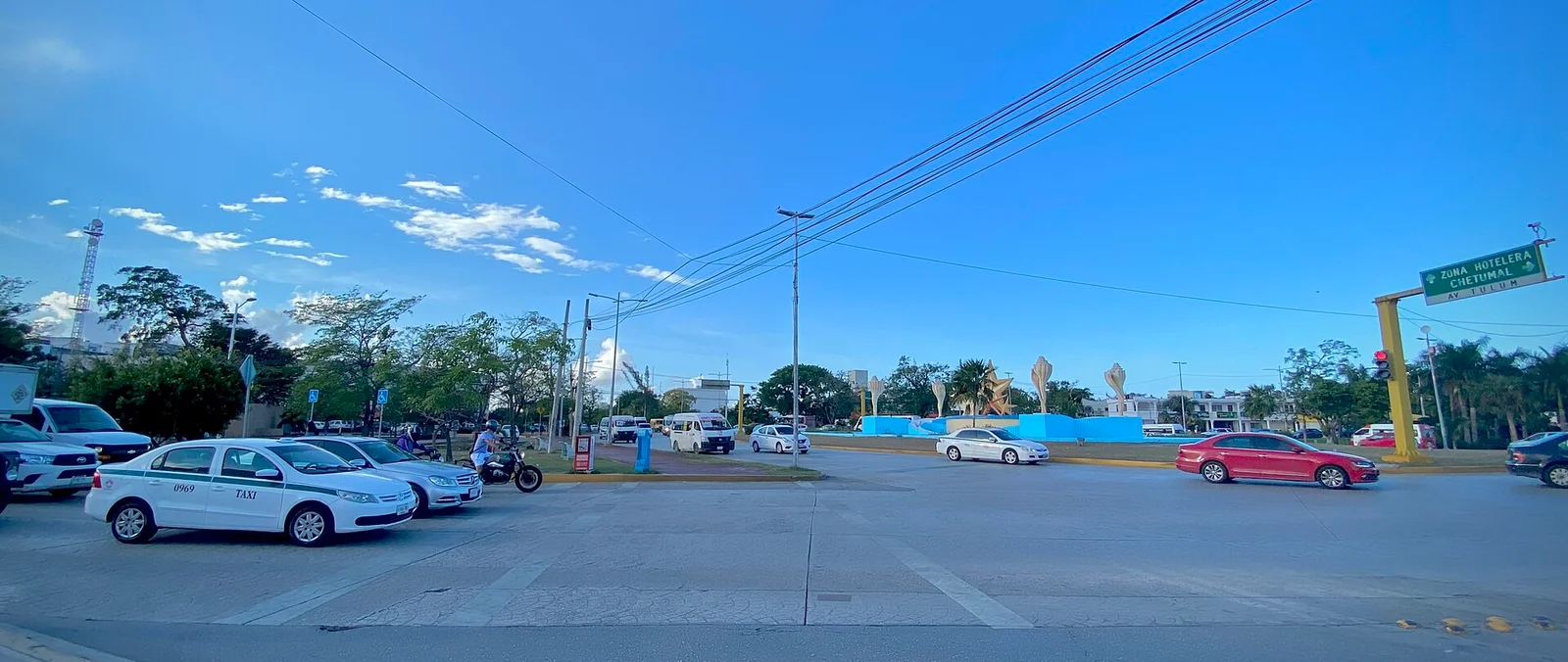
You drive down Kukulcán Boulevard and it feels like someone drew a line on a map before anything existed. The pavement runs perfectly straight where the barrier island narrows, hotels stacked on both sides, and then the road just stops at Punta Nizuc because the planners ran out of island. No organic reason for the curve here or the junction there. Every intersection was placed by committee in a conference room in Mexico City.
The shopping plazas have names like La Isla and Plaza Caracol, tropical-sounding words attached to buildings that could exist in Dubai or Miami. The outdoor mall near kilometer 12.5 sits on what was salt marsh fifty years ago. You can see it in the construction photos at the Museo Maya, men in hard hats standing on wooden planks over standing water, the land still half-liquid while concrete mixers poured the first hotel foundations.
Fonatur, the government tourism agency, picked this stretch of coast in 1969 using computer analysis. They fed in criteria: undeveloped Caribbean shoreline, an airport site, distance from the US border, calm water. The algorithm pointed here. Cancún didn’t grow into a resort city. It was born as one, zoned and platted before a single building went up.
2. The Zone and Everything Else
Locals split Cancún into two pieces. The Zona Hotelera is the 22-kilometer hotel strip where you are supposed to stay. Downtown Cancún, the part most tourists never see, is where 700,000 people actually live. The contrast is not subtle.
Downtown has the Mercado 28, vendors selling vanilla and hot sauce, women at folding tables offering tacos de cochinita for 15 pesos (under $1 USD). Avenida Tulum runs through the center with bus stations, currency exchanges, and a Walmart that locals use. The buildings are cement block, two or three stories, painted in fading blues and yellows. This is what a city looks like when it has to function instead of perform.
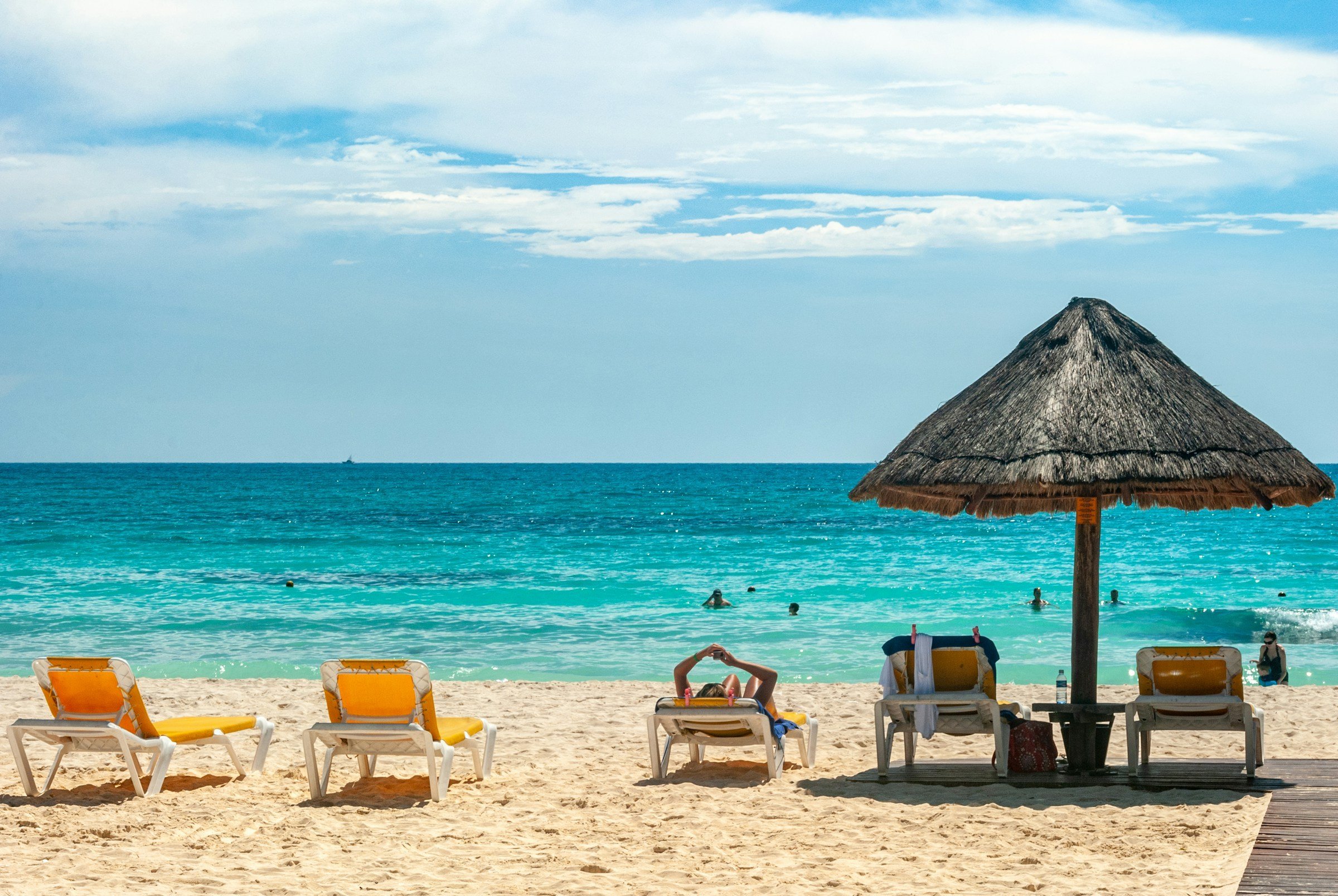
The Zona Hotelera has no corner stores. You cannot buy a bag of tortillas or a replacement phone charger without getting in a cab. The strip was never meant to be walkable past your resort property. It was designed as a series of contained experiences, each resort its own pod. The sidewalks along Kukulcán end randomly, forcing you back into traffic or onto the beach, because no one planned for people to move between hotels on foot.
When hotel workers finish a shift, they take packed buses back downtown, a 40-minute ride if traffic cooperates. Two separate cities occupying the same municipality, one constructed entirely to extract dollars from the other’s labor.
3. The Mangrove You Filled In

Cancun
Nichupté Lagoon sits behind the hotel strip, a shallow body of water that covers 30 square kilometers. This is what was originally here: mangrove wetlands, brackish water, crocodiles, mosquitoes. The developers dredged channels, filled sections with landfill, and turned parts of the shoreline into golf courses.
You can take a boat tour of the lagoon, guides pointing out the remaining mangroves and explaining how the root systems filter water. What they do not mention is how much of this ecosystem was cleared for the resorts you just left. The Nichupté system used to extend twice as far inland. Hotel construction in the 1980s and 1990s filled hundreds of hectares. The water you see is what is left after economic development took its share.
Some hotels built their own marinas by carving into the lagoon, private docks for jet skis and catamarans. The water quality has been declining for decades, algae blooms appearing when nutrient runoff from landscaped resort grounds feeds bacterial growth. Environmental groups file complaints. The government conducts studies. Construction permits keep getting approved.
4. Hurricane Wilma’s Brief Lesson
In 2005, Hurricane Wilma sat directly over Cancún for two days. Sustained winds hit 140 mph. The storm peeled roofs off hotels, shattered windows on high-rises, and stripped sand off beaches down to bedrock in places. Eight meters of beach disappeared overnight at some resorts.
The Mexican government spent $71 million USD trucking in replacement sand from offshore sources, rebuilding the beaches to pre-storm width. They did this because the beaches are the product. Without them, the hotels are just tall buildings next to waves. The sand restoration took six months. Bulldozers ran 24 hours, spreading imported sediment, grading it to match the previous slope. Engineers calculated the exact offshore contours needed to prevent immediate erosion.
The rebuilt beaches looked perfect. They also highlighted the core fact about Cancún: when nature pushes back, economics push harder. The city cannot afford to let hurricanes reclaim what development took. Too much infrastructure, too many jobs, too much GDP connected to keeping this strip operational. Wilma showed how fragile the setup is. The reconstruction showed how committed Mexico is to maintaining it anyway.
5. What 1974 Actually Built
The first hotel opened in 1974 with 50 rooms. By 1980, Cancún had 10,000 hotel rooms. By 2000, that number passed 50,000. The growth was not accidental or organic. It followed a government development plan that offered tax incentives, infrastructure guarantees, and financing to international hotel chains willing to build here.
The success was economic before it was cultural. Cancún generates $10 billion USD in annual tourism revenue, more than any other Mexican destination. The airport is the second-busiest in the country. Spring break, destination weddings, all-inclusive packages for families from Kansas City, the business model works because the city never pretends to be anything else. There is no historic downtown to preserve, no colonial architecture to maintain. It is a beach with hotels and the supporting machinery to keep them full.
You will not find old Cancún the way you find old Havana or old San Juan, because old Cancún is just mangrove swamp and a fishing village of 120 people. What exists now is the invention, a place that could only happen because a government decided a coastline was more valuable as a resort than as a wetland. Whether that was the right trade is not really a question anyone in power asks anymore. The hotels are already built.
If you liked this, you might like: Rio de Janeiro, Montevideo, Salvador.