Liverpool Street: Where the Suits Pretend to Like Coffee
You come up from Liverpool Street station and the first thing you notice is everyone walks like they’re ten minutes late to fire someone. This is the City, capital C, where medieval street layouts meet glass towers that cost more per square foot than a kidney. The accents here are clipped, transactional, designed to close deals before lunch. Men in £3,000 suits buy £7 sandwiches and eat them standing up.
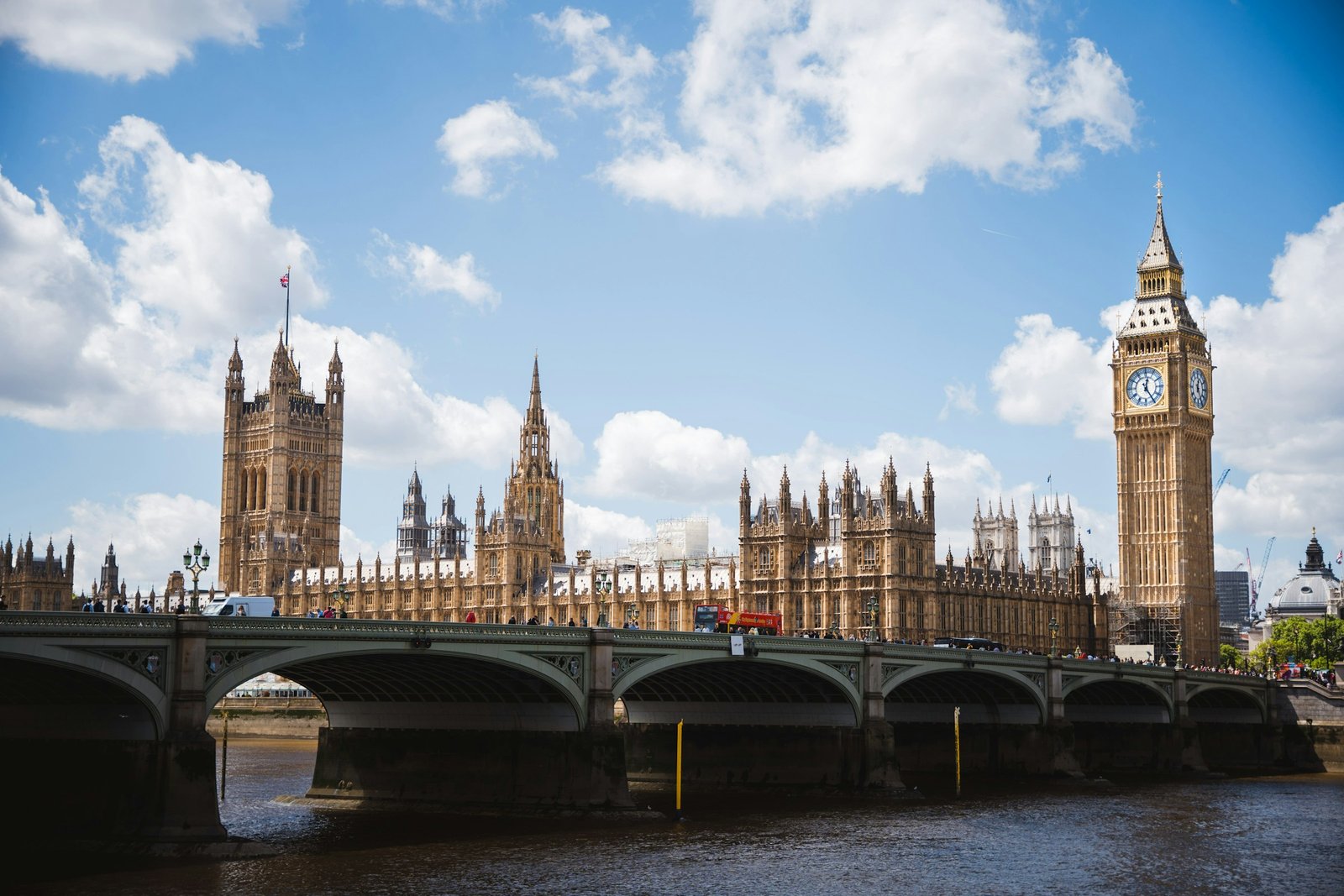
London, Parliament on the Thames
Walk east toward Spitalfields and the accent softens. Brick Lane smells like curry and graffiti and the kind of gentrification that happened so fast the older Bengali residents are still blinking. The vintage shops sell jackets that cost £200 but look like they were stolen from a skip. Everyone under thirty has septum piercings and opinions about oat milk. This is the postcode where warehouse conversions breed, where you can pay £1,800 a month for a studio apartment overlooking a KFC.
Shoreditch: The Accent Wall of East London
Head north and you’re in Shoreditch proper, where the nineteenth century got murdered by street art and replaced with pop-up galleries. The accents here are imported. Australian baristas, French DJs, Americans who say they’re “creatives” and work in marketing. Nobody admits they’re from Surrey.
Boxpark Shoreditch is a mall made of shipping containers, which tells you everything about what happened to this neighborhood. Twenty years ago it was rough. Now it sells £15 burgers and craft beer that tastes like someone carbonated a forest. The locals who remain speak Cockney with their mates and switch to Estuary English when ordering coffee, code-switching between centuries in the space of a transaction.
Walk along Redchurch Street and count how many shops sell things you don’t need but suddenly want. A ceramics studio. A shop that only sells denim. A place charging £12 for sourdough. The whole street is a monument to disposable income and the death of the working-class East End that used to live here.
King’s Cross: The Before and After Photo
Cut west to King’s Cross and you’re watching urban renewal in real time. The station itself was grim for decades, a place where you bought bad coffee and tried not to make eye contact. Now there’s a plaza behind it with fountains and tech campuses and restaurants where you need a reservation. Google has an office here. Facebook too. The accents are international, corporate, optimized for conference calls.
St Pancras next door is the prettier sibling, all Victorian gothic and Eurostar trains to Paris. The champagne bar on the upper level costs £18 a glass and looks out over the departure boards. This is the station for people who pronounce croissant with a French accent even though they’re from Basingstoke.
Walk north toward Camden and the polish comes off fast. The canal towpath still has needles in the bushes if you know where to look. The houseboats are either rust buckets or million-pound conversions, nothing in between. Camden Market itself is a tourist trap that swallowed a neighborhood. The Clash played here once and now it sells phone cases with the Union Jack on them.
Regent’s Park: Where the Postcodes Start Lying
Circle back south through Regent’s Park and you’re in the part of London that appears in films. Nash terraces the color of cream, embassies behind iron gates, streets where every car is German and costs more than a house in Hull. The accents here are private school. Vowels get stretched. Rs disappear. This is where hereditary wealth lives next to oligarch money and they pretend not to notice each other.
The park itself is 395 acres of grass that stays green because the council actually waters it, unlike the scrubby bits in Zone 3. People jog here in £200 trainers. The boating lake has swans that look painted on. In summer you can watch open-air theater where everyone brings Waitrose picnics and acts like eating outside is a radical idea.
Marylebone: Quietly Expensive
Drop down into Marylebone and the money gets quieter. This is old London wealth, the kind that doesn’t need to show off because it owns the freehold. The high street has independent bookshops that somehow survive, cheese shops where they know your name, cafes that don’t have WiFi because they don’t want you staying.
The accents here are BBC English from the 1950s, preserved in formaldehyde and private healthcare. Harley Street runs through the middle, lined with doctors who charge £400 for fifteen minutes and a prescription. The waiting rooms have better furniture than most people’s living rooms.
Walk toward Paddington and the facade cracks. The streets near the station are budget hotels and currency exchanges. This is where tourists stay because it’s “central” and then spend their whole trip on the tube going somewhere else. The accents are international again but in a different key. Backpackers. Language students. People asking where the nearest Tesco is.
Hyde Park Corner: The Money Line
Cut southeast to Hyde Park Corner and you’re at the hinge where West London money meets Central London history. Wellington Arch sits in a traffic island, surrounded by buses and black cabs that won’t stop even if you’re bleeding. Apsley House next door was the Duke of Wellington’s place and now charges £15 to look at his silverware.
Walk east along Piccadilly and every shop is selling things to people who don’t check price tags. Fortnum & Mason has been here since 1707, selling tea and biscuits to customers who pronounce scone like “scon” and will fight you about it. The accents inside are clipped, assured, from postcodes that start with W or SW and come with parking permits worth more than a used car.
This is the part of London that appears in period dramas and hasn’t changed much since. The buildings are cream or red brick. The streets are wide. Nobody loiters because there’s nothing to loiter for. You’re either going somewhere expensive or you’re lost.
If you liked this, you might like: Ljubljana, Athens, Barcelona.