How Much Guided Tours to Israel from the US Actually Cost
A standard 8-day guided tour to Israel from the United States runs between $2,400 and $4,800 per person, excluding airfare. That price typically covers hotels, daily breakfast and dinner, ground transport, entrance fees, and your guide’s services. If you add flights from major US cities like New York, Los Angeles, or Chicago, expect another $800 to $1,500 round-trip during off-peak months and up to $2,200 in high season. Budget about $30 to $50 per day for lunches, snacks, drinks, and personal expenses.
Premium tours that include five-star hotels, private transport, and smaller group sizes push costs to $5,500 to $8,000 per person for the same duration. On the flip side, budget-conscious operators offering shared accommodations and larger groups can bring the base tour price down to $1,800 to $2,200. Once you’re on the ground, daily costs in Israel run about $80 to $120 per person if you’re eating at mid-range restaurants and buying water, coffee, and occasional souvenirs.
Tour prices spike during Jewish holidays (Passover in April, Sukkot in September or October, and Hanukkah in December) and Christian holidays (Easter, Christmas). Booking three to four months ahead of your departure date usually locks in better rates, while last-minute deals occasionally appear in January and February when demand drops.
Top US-Based Operators Running Israel Tours
Gate 1 Travel operates group tours with 20 to 40 participants, offering 8-day “Israel and Jordan” packages starting around $2,000 per person. Their itineraries hit Jerusalem’s Old City, the Dead Sea, Masada, Tel Aviv, Galilee, and Nazareth. Gate 1 uses three-star hotels and provides daily breakfast and most dinners. Guides are English-speaking locals with deep historical knowledge. The company runs departures nearly every week from March through November.
Collette Tours runs a more upscale operation with smaller groups (20 to 30 travelers) and four-star accommodations. Their “Exploring Israel” 9-day tour costs about $3,400 per person and includes a float in the Dead Sea, a Shabbat dinner with a local family, and a cooking class in Tel Aviv. Collette’s strength is logistics: they handle every transfer smoothly and include more meals than budget competitors. Departures run year-round, with most leaving from New York’s JFK.
Tauck offers luxury small-group tours (maximum 24 guests) with prices starting at $5,800 for 10 days. You’ll stay at the David Citadel Hotel in Jerusalem and the Carlton Tel Aviv, both five-star properties. Tauck includes nearly all meals, gratuities for guides and drivers, and exclusive after-hours access to some sites. Their itineraries add unique experiences like a private concert at the YMCA Tower in Jerusalem and a wine-tasting session in the Golan Heights. Tauck’s clientele skews older, typically 55 and up.
Keshet offers faith-based Christian tours with a strong emphasis on biblical history. Their 10-day “In the Footsteps of Jesus” tour costs about $3,600 per person and includes daily Mass or worship services, visits to pilgrimage sites like Capernaum and the Mount of Beatitudes, and a renewal-of-vows ceremony at the Jordan River. Keshet uses mid-range hotels and includes two meals daily. Groups range from 25 to 35 people, and departures cluster around Easter and fall holidays.
Ayelet Tours specializes in custom private tours for families or small groups of 4 to 12 people. Pricing varies widely based on your preferences, but expect $4,000 to $7,000 per person for a week-long private itinerary. You’ll work with a dedicated planner to build the trip around your interests, whether that’s archaeological digs, culinary experiences, desert hiking, or focused time in specific regions. Private tours offer maximum flexibility: you can adjust daily plans, skip crowded sites, and move at your own pace.
What Sets These Operators Apart
Gate 1 and Collette excel at value and reliability for first-time visitors who want a comprehensive overview without breaking the bank. Tauck and Ayelet cater to travelers who prioritize comfort, exclusivity, and personalized service. Keshet fills a niche for Christian pilgrims seeking a spiritually focused experience with fellow believers. When comparing operators, check what’s included: some cover all entrance fees and tips, while others add those as extras. Read the fine print on single supplements, too. Solo travelers often pay 50% to 100% more for a private room.
What You’ll See and Do on a Typical Guided Tour
Most itineraries dedicate three full days to Jerusalem, usually with a base at a hotel near the Old City. You’ll walk the Via Dolorosa, visit the Western Wall, explore the Church of the Holy Sepulchre, and tour the Israel Museum to see the Dead Sea Scrolls. Many groups also visit Yad Vashem (the Holocaust memorial) and the Mount of Olives for panoramic city views. Guides often arrange free time in the Mahane Yehuda Market, where you can sample fresh halva, spices, and pastries.
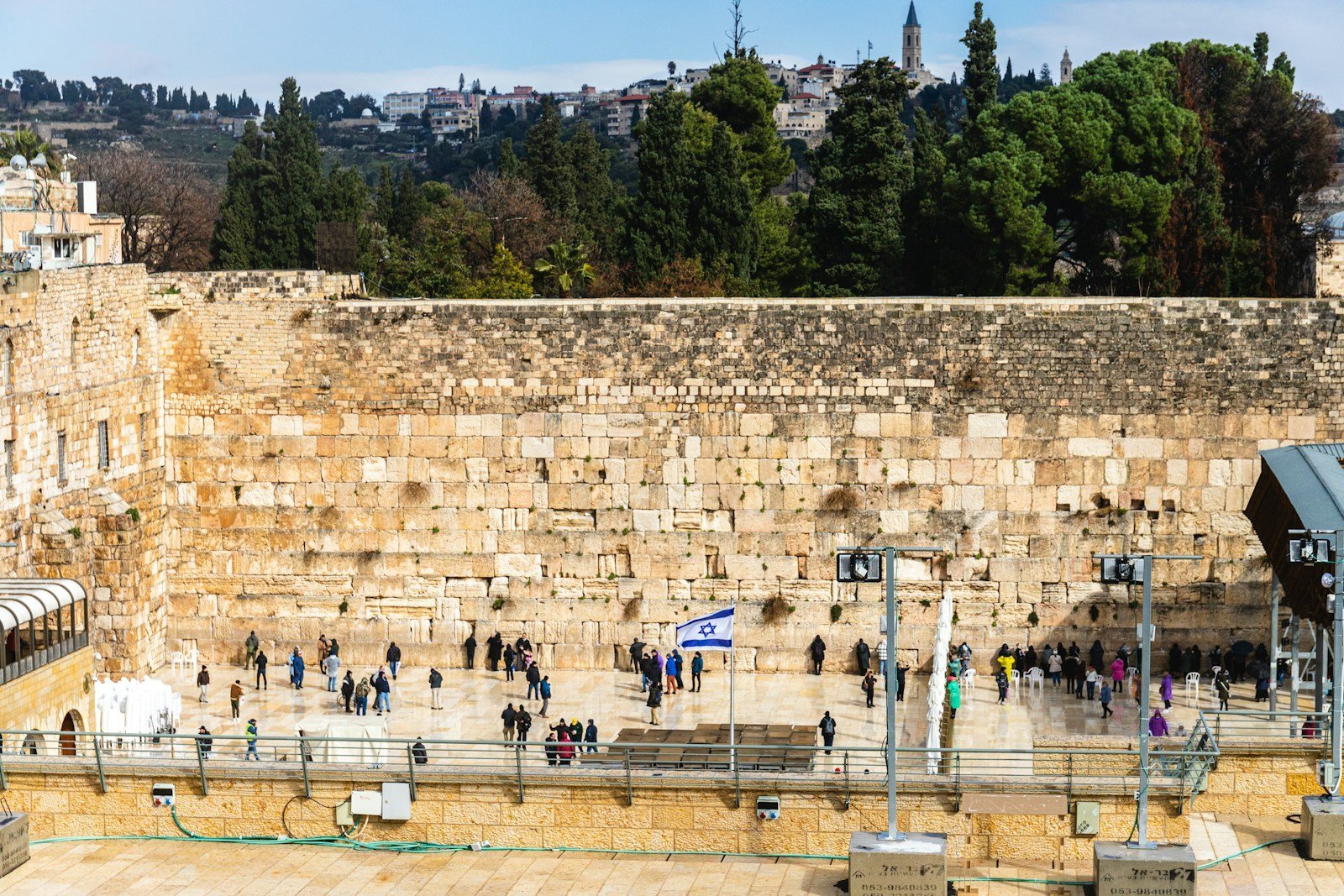 Photo: Viktor SOLOMONIK via Unsplash
A day trip to the Dead Sea and Masada is standard. You’ll drive about 90 minutes southeast from Jerusalem to Masada, arriving early to beat the heat and crowds. After touring the ancient fortress (either by cable car or hiking the Snake Path), you’ll head to one of the Dead Sea beach resorts for a float in the hyper-saline water and a mud treatment. Bring water shoes: the shoreline is rocky and salty. The Dead Sea sits 1,410 feet below sea level, making it the lowest point on Earth’s land surface.
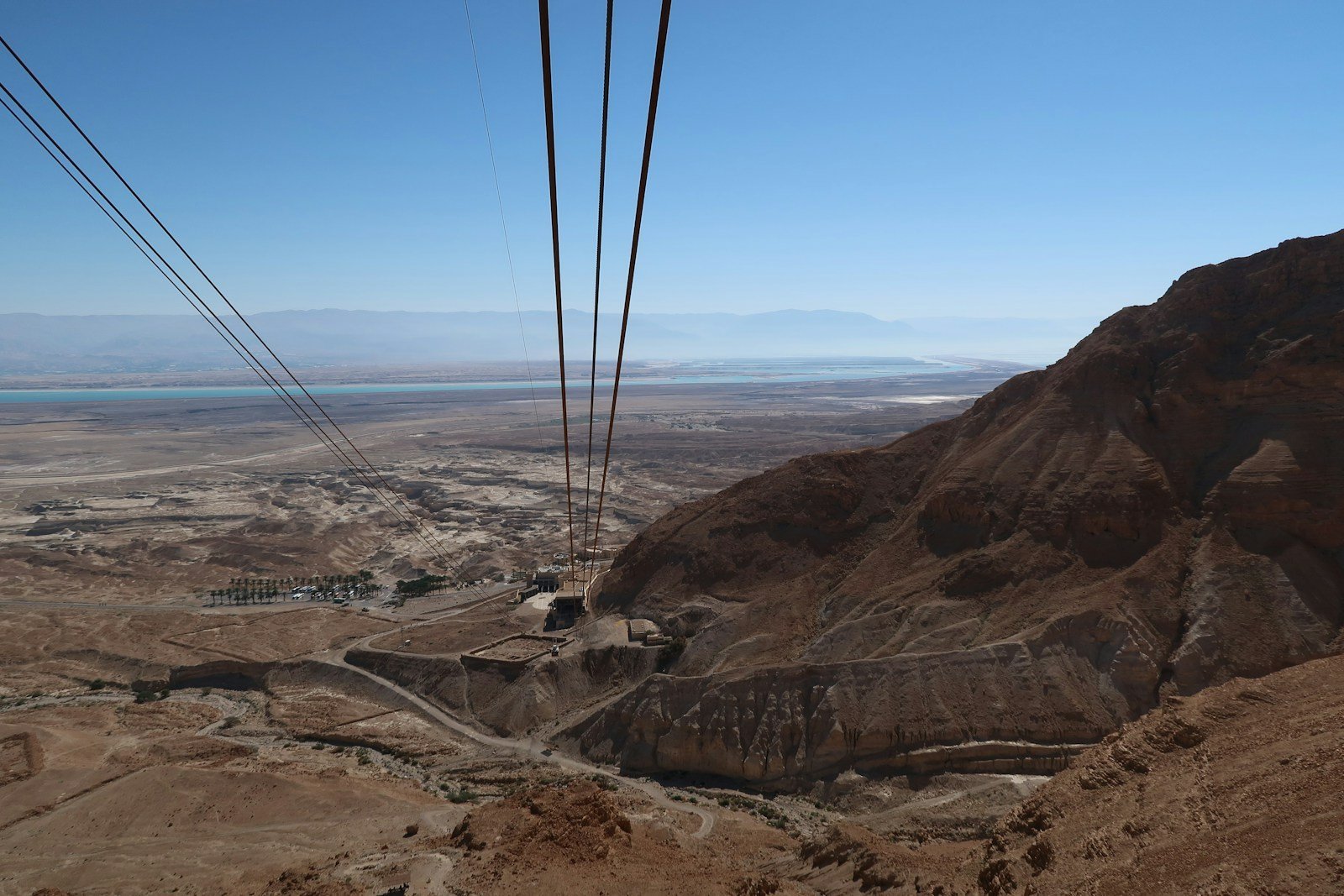 Photo: Nivaldo Martins via Unsplash
Galilee and the northern region typically get two days. You’ll visit Nazareth’s Basilica of the Annunciation, cruise the Sea of Galilee on a wooden boat replica, and stop at Capernaum where Jesus taught. Many tours include a visit to the Golan Heights for wine tasting and views over the Syrian border. The drive from Jerusalem to Galilee takes about two and a half hours. Some itineraries overnight in Tiberias or a kibbutz guesthouse, while others base in Nazareth.
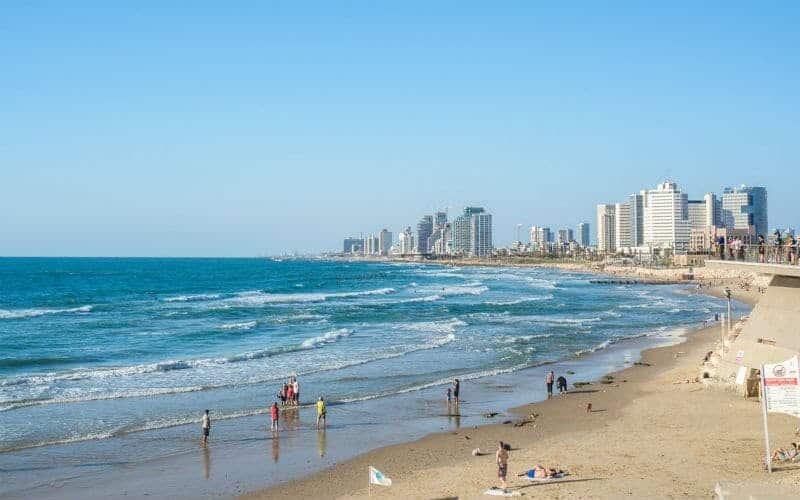
Tel Aviv usually gets one day, often at the end of the tour. Guides lead walking tours through the Bauhaus architecture of the White City, the bohemian Neve Tzedek neighborhood, and the bustling Carmel Market. You’ll have time on the Mediterranean beachfront promenade, and many groups enjoy a farewell dinner at a seafood restaurant in Jaffa’s Old Port. Tel Aviv’s nightlife and secular atmosphere contrast sharply with Jerusalem’s religious intensity, giving you a fuller picture of modern Israel.
Optional Add-Ons and Extensions
Many operators offer pre- or post-tour extensions to Jordan (two to three days, adding $600 to $1,200 per person) to see Petra and Wadi Rum. Other popular add-ons include a volunteer day at an archaeological dig, a Bedouin dinner in the Negev Desert, or a day trip to Haifa and Akko on the northern coast. Extended tours of 12 to 14 days might include Eilat on the Red Sea, the ancient city of Beit She’an, or the Ramon Crater in the Negev.
Safety, Security, and Travel Insurance for Israel Tours
Israel maintains one of the most sophisticated security infrastructures in the world, and guided tours benefit from constant coordination with local authorities. You’ll pass through metal detectors at major sites, hotels, shopping centers, and transportation hubs. Armed security guards are a common sight, which can feel jarring at first but quickly becomes routine. Tour operators monitor regional conditions daily and adjust itineraries if tensions flare in specific areas.
The West Bank and Gaza are generally off-limits for US tour groups, though some itineraries include heavily touristed sites like Bethlehem, which is in the West Bank but receives thousands of visitors daily. Guides handle all checkpoint logistics. Southern border areas near Gaza and northern regions near Lebanon occasionally see security alerts, but major tourist sites (Jerusalem, Tel Aviv, Dead Sea, Galilee) are far from active conflict zones and maintain normal operations year-round.
Travel insurance is not typically included in tour packages, and you’ll want to buy a policy that covers trip cancellation, medical emergencies, and evacuation. Policies with “cancel for any reason” coverage cost about 8% to 10% of your total trip cost but give you the flexibility to cancel up to 48 hours before departure and recoup 50% to 75% of prepaid expenses. Standard policies run 4% to 6% of trip cost and cover specific cancellation reasons like illness or family emergencies.
Medical facilities in Israel are world-class. Major cities have excellent hospitals, and your tour operator will have protocols for getting you care if needed. US cell phones work in Israel (check with your carrier about international plans), but many travelers buy a local SIM card at Ben Gurion Airport for about $20 to $30, which provides data and local calls for the duration of your stay.
When to Book and Best Times to Travel
The sweet spot for booking is January through March for fall travel (September to November) and July through September for spring travel (March to May). Booking in this window gives you the widest selection of departure dates and room types without the urgency surcharges that appear within 60 days of departure. If you’re flexible on dates and willing to monitor deals, some operators release discounted inventory 30 to 45 days out when groups haven’t filled.
Spring (March through May) offers mild weather, blooming wildflowers in the Galilee, and comfortable temperatures for walking Jerusalem’s stone streets. Daytime highs in Jerusalem sit around 65 to 75 degrees Fahrenheit, while Tel Aviv and the coast run 5 to 10 degrees warmer. Spring coincides with Passover (March or April, depending on the lunar calendar), when prices spike and many Israeli businesses close for the holiday. Book early if you’re traveling during Passover week.
Fall (September through November) delivers similarly pleasant weather with less rain than spring. The Jewish High Holidays (Rosh Hashanah and Yom Kippur) occur in September or early October, and Sukkot follows immediately after. These holidays drive up demand and prices. Late October and all of November offer the best combination of good weather, lower prices, and fewer crowds. Daytime temperatures in Jerusalem range from 60 to 72 degrees, ideal for outdoor exploration.
Summer (June through August) brings intense heat, especially at the Dead Sea and in the Negev, where temperatures exceed 100 degrees. Jerusalem stays more moderate (low to mid-80s), and Tel Aviv’s sea breezes make the coast bearable. Summer is high season for family travel, and tours fill quickly. If you’re heat-tolerant and want to travel when kids are out of school, book by March.
Winter (December through February) sees fewer tourists, lower prices, and occasional rain. Jerusalem can get cold (40s at night, 50s during the day), and the Galilee gets downright chilly. Snow in Jerusalem is rare but not unheard of. Winter travelers enjoy empty sites and significant discounts, but you’ll need layers and rain gear. Christmas and Hanukkah draw crowds and higher prices in late December.
Holiday and Festival Considerations
Israeli holidays shut down much of the country. On Yom Kippur, the entire nation stops: no flights, no public transport, no restaurants. Tour operators plan around these dates, but you’ll want to be aware if you’re adding independent days before or after your tour. Shabbat (Friday evening through Saturday evening) also affects travel: many restaurants and shops close, and public buses stop running. Your tour will continue operating, but your free-time options narrow on Saturdays.
Practical Details and Pre-Departure Prep
US citizens need a passport valid for at least six months beyond your return date. You don’t need a visa for tourist stays under 90 days. Upon arrival at Ben Gurion Airport (near Tel Aviv), you’ll receive an entry card rather than a passport stamp, which is helpful if you plan to travel to certain Arab countries afterward. The airport is modern and efficient, and most flights from the US arrive early morning, allowing you to start touring the same day.
Pack layers regardless of season. Jerusalem’s elevation (about 2,500 feet) makes mornings and evenings cooler than you’d expect. Modest clothing is essential for religious sites: knees and shoulders must be covered at the Western Wall, churches, and mosques. Many tour companies provide a packing list that includes a hat, sunscreen (SPF 50 minimum), comfortable walking shoes, and a refillable water bottle. You’ll walk 15,000 to 20,000 steps on active touring days.
Israel uses the shekel (ILS), with exchange rates hovering around 3.5 to 3.8 shekels per US dollar. Credit cards are widely accepted, but carry some cash for markets, small shops, and tips. ATMs are plentiful in cities and tourist areas. Tipping customs: leave 10% to 15% at restaurants (check if service is already included), tip your tour guide $8 to $12 per person per day, and tip your bus driver $4 to $6 per person per day. Some tour operators collect tips in a group envelope at the end of the trip.
Electricity in Israel runs on 230 volts with Type C and H outlets. You’ll need a plug adapter and possibly a voltage converter for devices that don’t support dual voltage. Most modern phone chargers and laptops handle both 110 and 230 volts, but check your device before plugging in.
Bottom Line
Guided tours from the US make Israel accessible, manageable, and deeply rewarding, especially for first-time visitors navigating a country where history, religion, and modern culture intersect at every turn. You’ll pay more than independent travel, but you’ll gain expert context, seamless logistics, and the security of traveling with experienced operators who’ve refined their itineraries over decades. Book three to four months ahead for spring and fall departures, budget $3,000 to $5,000 per person all-in for a mid-range 8- to 10-day tour, and pack your curiosity along with your walking shoes. Israel compresses millennia of human history into a space smaller than New Jersey, and a good guided tour will leave you wanting to return.
Claude AI helped me with phrasing and proofreading in this article.