Why Almuñécar deserves a spot on your Costa Tropical itinerary
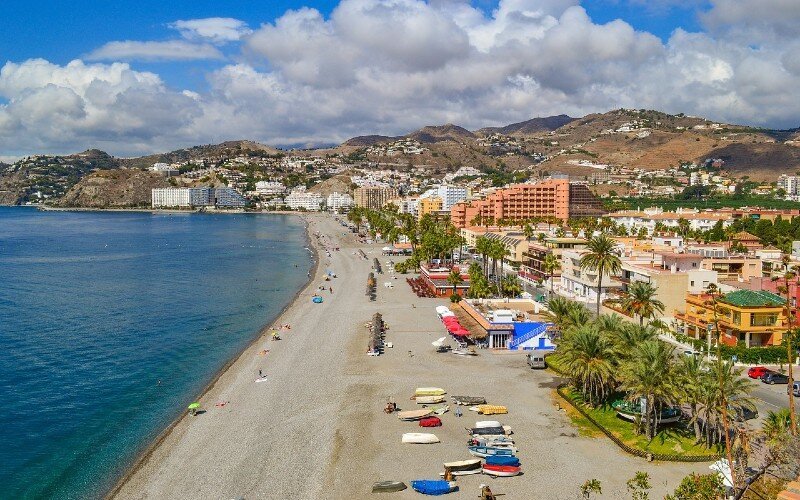
Almuñécar sits 85 kilometers east of Malaga on Spain’s southern coast, where the Sierra Nevada mountains drop straight into the Mediterranean. It’s a proper working town with 27,000 residents, not a purpose-built resort, which means you’ll find real tapas bars alongside the tourist restaurants and Spanish families on the beaches come August. The old town spreads up the hillside in a tangle of whitewashed lanes, Moorish ruins crown the highest point, and seven beaches line the coastline within town limits.
The Costa Tropical earned its name from the microclimate created by those mountains. Winter temperatures here average 16-18°C while the rest of coastal Andalusia shivers a few degrees cooler. You’ll see subtropical fruit plantations growing mangoes, avocados, and custard apples on the hillsides, crops that struggle elsewhere in mainland Europe. The warm winters make Almuñécar a solid shoulder-season destination when you want beach weather without the July-August crowds that pack Nerja and Marbella.
Getting here takes 50 minutes by car from Malaga Airport via the A-7 coastal highway. The airport bus (ALSA line) runs three times daily for €10.45 one-way, though you’ll need to transfer in Nerja or Motril depending on the schedule. Granada Airport sits 75 kilometers north but offers far fewer international connections. Once you’re in town, everything’s walkable except the beaches at the eastern and western ends, which you can reach by local bus for €1.20 per ride.
Where to swim and sunbathe along Almuñécar’s coast
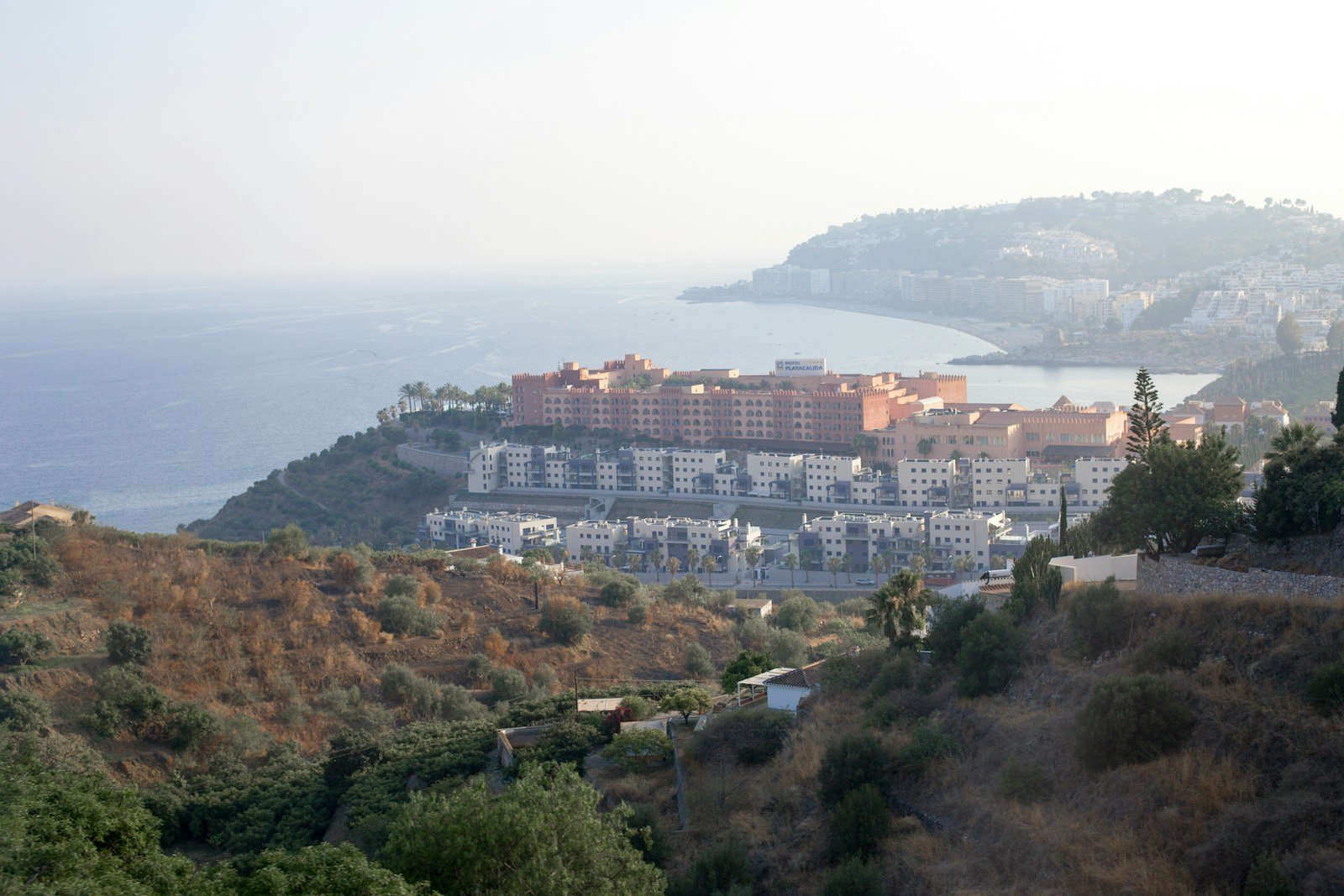 Photo: Tetiana SHYSHKINA via Unsplash
Playa San Cristóbal stretches for 1,800 meters as the longest beach in town, starting just west of the port. The sand here is dark gray, slightly coarse, and the beach gets full-sun exposure from 10:00 until sunset. Lifeguards work from June through September, 11:00-19:00. You’ll find beach bars every 200 meters, parasol rentals for €8 per day, and calm water most of the time since a breakwater dampens the swells. Parking costs €1.50 per hour in the adjacent lot, but spaces fill by noon in July and August.
Playa Puerta del Mar sits right in the town center, hemmed in by the Peñón del Santo rock formation. This 400-meter stretch gets packed on summer weekends, families with small children favor it because the water stays shallow for 15 meters out, and the old town is a two-minute walk for lunch or coffee. The beach has a mix of dark sand and small pebbles. Expect to pay €6 for a sunbed, €10 for bed plus umbrella.
For something quieter, walk east to Playa El Tesorillo, a 200-meter cove tucked below the Punta de la Mona headland. The road down is steep but drivable, with free parking in a small dirt lot. This beach attracts a younger crowd, has one simple chiringuito serving grilled sardines and cold beer, and the snorkeling along the rocks on the eastern side is the best you’ll find in Almuñécar. Water clarity runs 6-8 meters on calm days.
Playa de Velilla, 2 kilometers west of the center, offers 2,000 meters of beach split into sections by rock groins. The sand quality is better here, finer and lighter in color. The Velilla neighborhood behind the beach has grown into a mini-resort area with apartment blocks, so services are good but the vibe is less authentically Spanish. The N8 bus from the town center runs every 30 minutes and stops right at the beach access points.
Nudist beach option
Playa Cantarriján, 15 kilometers east toward Nerja, is the official clothing-optional beach. It’s a stunning spot, backed by cliffs, with crystalline water, but you’ll need a car to get there. The access road twists down from the N-340 highway. Parking costs €5 in summer. The beach spans 400 meters, with the western half generally nude and the eastern half mixed. Two beach bars operate in summer. Arrive before 11:00 or after 16:00 to find a decent spot on the sand in July or August.
Historical sites and cultural attractions worth your time
The Castillo de San Miguel tops the hill in the old town center. This fortress has Phoenician foundations, Roman additions, Moorish reconstruction, and Christian modifications, which is typical for this coast but still impressive when you’re standing on 3,000 years of continuous fortification. Entry costs €2.35 for adults, €1.60 for students and seniors. It’s open 10:00-13:30 and 16:00-18:30 Tuesday through Saturday, 10:00-13:00 on Sunday, closed Monday.
The views from the castle ramparts let you see the entire town, the coastline from Salobreña to Nerja, and the Sierra Nevada peaks when the air is clear. Bring water because there’s no shade up there and the walk from the old town center takes 15 minutes through stepped alleys. The site includes a small museum displaying Roman fish-salting vats, Moorish pottery, and the usual collection of amphorae and coins.
Down at sea level, the Cueva de Siete Palacios houses the town’s archaeological museum. This underground chamber might have been a Roman reservoir or storage area, historians aren’t certain. The museum costs €2.35 and displays a genuine Egyptian vase from 1700 BCE, the oldest piece in any Spanish municipal collection. The artifact arrived here through Phoenician trade routes. The museum also covers the area’s Roman fish sauce industry, which exported garum across the empire.
The Parque del Majuelo botanical park sits between the beach and the castle hill. It’s free to enter, full of subtropical plants labeled in Spanish and Latin, and scattered with more Roman ruins including the remains of a fish-salting factory. It’s a good spot for a shaded walk in the afternoon heat, and it hosts occasional outdoor concerts in summer. The park connects directly to the Paseo Marítimo, the seafront promenade.
Moorish watchtowers
Five watchtowers from the Nasrid period still stand on the hills around Almuñécar. Torre del Pozuelo is the easiest to reach, sitting just off the road to Jete. These towers formed a signal network, using smoke by day and fire by night to warn of pirate raids or Christian attacks. You can’t enter them, but they’re photogenic and the surrounding countryside offers good hiking if you’re tired of the beach.
Where to eat and what to order
Los Geranios at Calle Puerta de Granada 4 in the old town serves traditional Spanish food without trying to modernize it. The gazpacho is cold and garlicky as it should be, the fried fish comes from the morning’s catch, and the house wine is local and cheap at €1.80 per glass. Count on €18-25 per person with wine. It’s open for lunch 13:00-16:00 and dinner 19:30-23:00, closed Wednesday. No reservations, arrive at 13:15 or 19:45 to avoid the wait.
For fish and rice dishes, head to El Chaleco on the San Cristóbal beachfront. Their arroz caldoso con bogavante (soupy rice with lobster) serves two and costs €45, enough food for a long lunch. The restaurant has been here for 30 years, run by the same family. Service can be slow when they’re full, but the kitchen doesn’t rush the rice and that’s the right approach. Open daily 12:00-17:00 and 19:00-23:30.
Meson Peña Parda at Calle Baja del Mar 21 occupies a quiet spot away from the beachfront hustle. The menu runs to grilled meats, Iberian ham, and Alpujarran-style dishes like plato alpujarreño (fried eggs, sausage, ham, potatoes, and peppers). Portions are sized for Spanish appetites, which means large. Budget €20-28 per person. They’re closed Sunday evening and all day Monday.
Cafeteria La Ultima Ola, right on Playa San Cristóbal, offers the best value breakfast in town. Toast with olive oil and tomato, fresh orange juice, and coffee runs €4.50. It opens at 08:00, and the terrace fills quickly on weekends. The lunch menu isn’t memorable, but for morning fuel before a beach day, it’s perfect.
Local specialties
Try espetos de sardinas, sardines skewered on bamboo and roasted over an open fire on the beach. Most chiringuitos serve them for €8-10 per skewer, enough for one person. The fish should be charred on the outside and just cooked through in the center. They’re traditionally eaten with your hands, pulling the meat off the bones.
The Costa Tropical produces tropical fruit, so sample the local mangoes if you’re here September through November. The Mercado Municipal on Avenida de Europa opens Tuesday, Friday, and Saturday mornings, 08:00-14:00, with stalls selling mangoes, avocados, chirimoyas (custard apples), and regular market produce at lower prices than the supermarkets.
Day trips and nearby destinations
Salobreña sits 12 kilometers west, a classic white village piled up beneath another Moorish castle. The drive takes 15 minutes, or catch the ALSA bus for €2.15. The castle here costs €4 to enter and offers better preservation than Almuñécar’s, with intact rooms and defensive features. The village itself is prettier, more compact, and less developed for tourism. You can see it properly in three hours, including lunch.
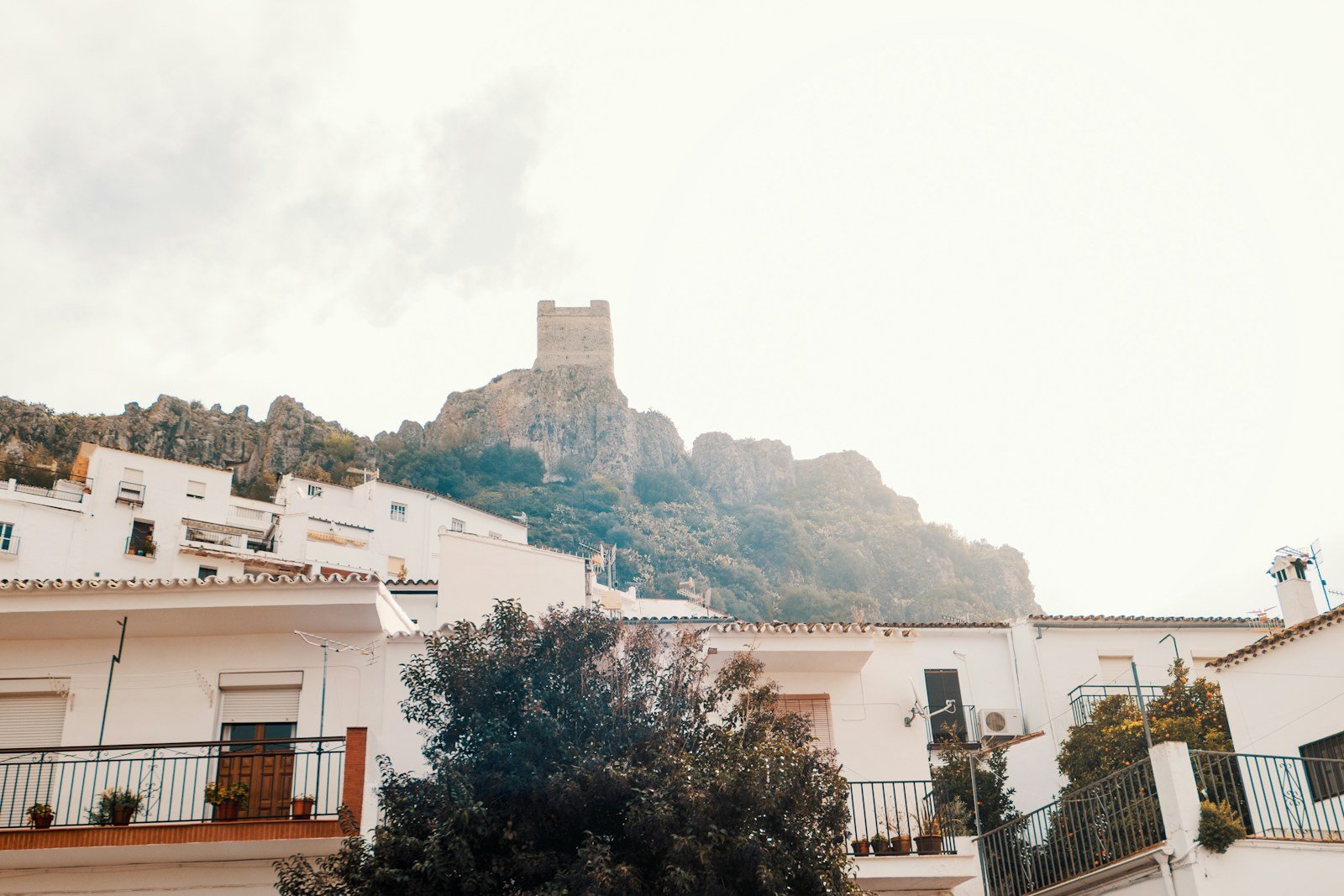 Photo: Nomadic Julien via Unsplash
Granada and the Alhambra lie 65 kilometers north, reachable in under an hour by car via the A-44 motorway. The drive climbs from sea level to 738 meters, passing through climate zones fast enough that you might want a jacket even if it’s 30°C at the beach. ALSA runs direct buses (€8.70 one-way, 75 minutes), with departures at 07:00, 10:00, and 15:00. Book Alhambra tickets weeks ahead at tickets.alhambra-patronato.es, as same-day entry is nearly impossible April through October.
Las Alpujarras, the high valleys on the southern slope of the Sierra Nevada, start 40 kilometers from Almuñécar. Villages like Pampaneira, Bubión, and Capileira offer mountain air, hiking trails, and a complete change from beach mode. The drive up through Órgiva and into the valleys takes 90 minutes. If you go, bring a sweater. These villages sit at 1,000-1,400 meters elevation and it’s 10-15°C cooler than the coast even in summer.
Nerja, 20 kilometers east, has the famous Balcón de Europa viewpoint and the Nerja Caves. The caves cost €12.50 for adults, open daily 09:00-16:00 (until 18:30 in summer). The stalactite formations are impressive, the cave stays at 19°C year-round, and the site gets very crowded. Go early or late. Nerja itself is more tourist-developed than Almuñécar, with more international restaurants and English menus everywhere.
Practical information for planning your visit
Hotels in the center range from €60-120 per night for a double room, depending on season and how close you are to the beach. Hotel Casablanca on Plaza San Cristóbal offers €75-95 doubles with balconies facing the water. The three-star Hotel Helios faces Playa San Cristóbal with rates around €85-110 and a rooftop pool. Book direct for better rates than OTA sites.
Vacation rentals are common and often better value for stays over four nights. A one-bedroom apartment within walking distance of the beach costs €50-80 per night outside peak season, €90-130 in July and August. Check standard booking platforms, but also look at local agency sites like Solalmunecar.com, which manages properties specifically in the area.
Daily costs run lower than Marbella or Nerja. Budget €35-50 per person per day for food if you’re eating at local spots, €15-20 for a supermarket picnic lunch plus a restaurant dinner. Add beach lounger rental if you want it, and parking if you have a car. A realistic daily budget per person is €70-90 including accommodation, food, a few drinks, and incidental costs.
Weather and when to visit
May, June, September, and October are the best months. Temperatures hit 23-28°C, the water is swimmable (19-23°C), and the town isn’t overrun. July and August bring 30-35°C heat, high humidity, and maximum crowds. Spanish families take their August holidays here, filling every hotel and apartment.
Winter is mild, 14-18°C most days, but too cool for beach lounging unless you’re northern European and anything above 15°C counts as warm. Rain is possible December through February but not frequent. Several restaurants close November through March, and some hotels shut for the winter, so check before booking.
Spring starts early here. You’ll see flowering almond trees in February, and by April the weather is genuinely pleasant for walking and sightseeing, though the sea is still cold at 16-17°C.
Getting around
You don’t need a car if you’re staying in the center and content with the main beaches. The town is compact, and the local bus network covers the extended beaches and nearby neighborhoods. Taxis are affordable, €6-8 for trips within town limits.
Rent a car if you want to explore the coast and head inland to Granada or the Alpujarras. Rates start around €25 per day for a small car from agencies in town, cheaper if you book ahead with the major companies at Malaga Airport. Parking in the old town is difficult, use the pay lot near the market on Avenida de Europa.
Bicycle rental is available but the hills make cycling hard work unless you’re fit or rent an e-bike. The coastal road west toward Salobreña is flat and scenic, suitable for a morning ride.
Before you go
Almuñécar isn’t the most famous name on Spain’s southern coast, which works in your favor. You’ll find real Spanish life here, not just tourist infrastructure. The beaches are good, the food is honest, and the prices are reasonable. It’s a town that works year-round, not a place that shuts down when summer ends. If you want Andalusian coast without the crowds and markup of Marbella, and you prefer substance over style, Almuñécar delivers exactly that. Pack light clothes, sun protection, and comfortable shoes for the old town’s hills. The rest you can figure out when you arrive.
Claude AI helped me with phrasing and proofreading in this article.