Getting Your Myanmar Visa Sorted
You’ll need a visa before you step foot in Myanmar, and the process is straightforward if you know which option fits your trip. Most travelers go for the e-visa, which costs $50 USD and takes three business days to process through the official government portal at evisa.moip.gov.mm. This electronic visa grants you 28 days in the country for tourism purposes.
The e-visa works for entry through Yangon, Mandalay, and Nay Pyi Taw airports, plus the land borders at Tachileik, Myawaddy, and Kawthaung. Print two copies of your approval letter because immigration officials at arrival will keep one. If you’re arriving at a different entry point, you’ll need to get a visa from a Myanmar embassy before your trip, which typically costs around $40-50 USD and takes five to seven business days.
Some nationalities can skip the visa requirement for short stays. Singapore, Thailand, Vietnam, Philippines, and Brunei passport holders get 14 days visa-free. Japanese citizens get 30 days. But most Western passport holders need that e-visa or embassy visa sorted before booking flights.
Your passport needs at least six months validity from your entry date. Have a passport photo ready for the online application, along with a scanned copy of your passport bio page. The form asks for your accommodation details in Myanmar, so have at least your first hotel address on hand before you start the application.
How to Get Around Myanmar
Domestic flights connect major cities and save you days of overland travel. Yangon to Mandalay takes 90 minutes by air versus 10-12 hours by bus. Expect to pay $60-120 USD for domestic flights if you book a few weeks ahead. Airlines operating internal routes include Myanmar National Airlines, Golden Myanmar Airlines, and Air KBZ. Book directly through their websites or use local agents because international booking platforms often mark up prices by 30-40%.
Buses reach practically every corner of the country. The Yangon to Bagan route costs $15-25 USD and takes nine to ten hours overnight. VIP buses offer reclining seats, air conditioning, and blanket service. Standard buses cost $5-10 less but you’ll arrive more tired. JJ Express, Elite, and OK are reliable companies. Book through your hotel or hostels since they typically don’t charge commission.
Trains offer an authentic experience but they’re slow and bumpy. The Yangon to Mandalay train takes 15-17 hours and costs $35 USD for an upper-class sleeper berth. Ordinary class drops to $15 but you’ll be on hard wooden seats. The scenic Circular Railway around Yangon costs just 200 kyat (about 12 cents USD) and loops the city in three hours, giving you glimpses of local life that tour buses skip entirely.
Taxis don’t have meters in most cities. Negotiate the fare before you get in. A typical cross-town ride in Yangon runs 3,000-5,000 kyat ($2-3 USD). Download the Grab app for fixed pricing in Yangon and Mandalay. Motorcycle taxis cost roughly half what cars charge but aren’t always comfortable with luggage.
Renting motorcycles or e-bikes works well in Bagan and Inle Lake. E-bikes cost 6,000-8,000 kyat ($4-5 USD) per day in Bagan and let you explore thousands of temples at your own pace. You won’t need an international driving permit for e-bikes, but you will for motorcycles. Some rental shops don’t check, but police sometimes do.
Where to Stay and What It Costs
Accommodation in Myanmar ranges from $5 USD dorm beds to $300 luxury hotel rooms. Budget guesthouses in Yangon charge $15-25 USD for a basic double room with private bathroom, fan, and Wi-Fi. Ostello Bello and Agga Youth Hotel offer dorms for $8-12 USD per bed with good common areas and breakfast included.
Mid-range hotels in the $40-70 USD bracket get you air conditioning, hot water, a decent breakfast, and often a small pool. Hotel G Yangon and Summit Parkview sit in this category and put you within walking distance of Shwedagon Pagoda. In Mandalay, Hotel by the Red Canal offers similar value at $50 USD per night.
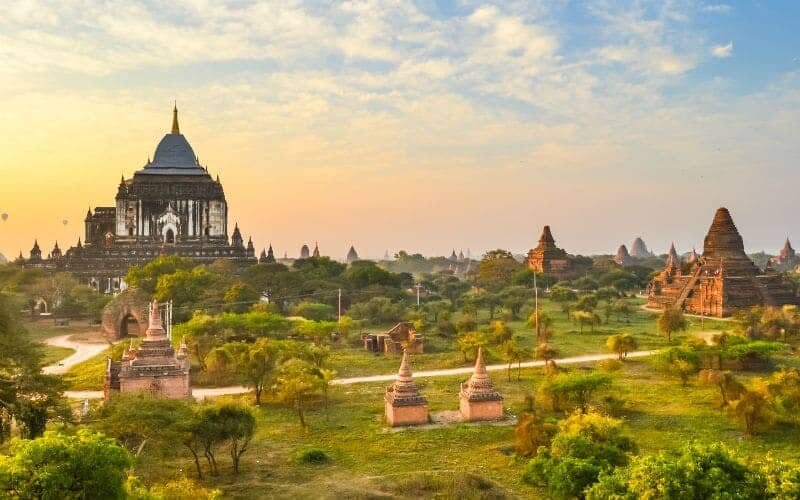
Bagan accommodation costs more because of its UNESCO status and tourist demand. Budget guesthouses start at $20 USD, and mid-range hotels begin around $60 USD. Splurge options like Bagan Lodge and Aureum Palace run $200-400 USD but deliver sunset views over temple plains that you won’t forget.
Book ahead during peak season from November through February. Hotels fill up, especially around Christmas and New Year when prices jump 30-50%. The monsoon months from June through September bring discounts of 30-40% at many properties, though some boutique places close entirely.
Homestays operate around Inle Lake and in rural areas. You’ll pay $15-30 USD per night including meals, and you’ll eat what the family cooks rather than ordering from a menu. It’s the best way to understand daily life beyond the tourist trail.
What You’ll Eat and What It Costs
Mohinga is the breakfast standard across Myanmar. This fish broth with rice noodles, boiled eggs, and crispy fritters costs 1,000 kyat (60 cents USD) at street stalls. You’ll find vendors selling it from 6:00 AM until around 10:00 AM in every city and town.
Teashops serve as Myanmar’s social hubs. You’ll pay 200-300 kyat for a cup of sweet milky tea and 500-1,000 kyat for samosas, steamed buns, or Shan noodles. These spots open early (around 5:00 AM) and stay busy until mid-morning, then reopen in the afternoon from 2:00 PM onward.
Local restaurants charge 2,000-4,000 kyat ($1.20-2.40 USD) for a plate of rice with curry, vegetables, and soup. You choose from displayed curry pots at lunchtime. Portions are generous and you can request extra rice at no charge. Feel Myanmar in Yangon and Star Beam in Mandalay serve excellent traditional meals in clean settings.
Shan cuisine from the eastern highlands differs from Bamar cooking. Shan noodles come in broth or stir-fried versions, typically costing 1,500-2,000 kyat. Tohu nyo (chickpea tofu) and Shan tofu salad appear on most Shan restaurant menus. Green Gallery in Yangon specializes in Shan dishes and charges 3,000-5,000 kyat per plate.
Tourist restaurants in major cities charge $5-10 USD for local dishes and $8-15 USD for Western food. The quality justifies the price at places like Gekko Mandalay or Sharky’s in Yangon, where you’ll get proper steaks, pasta, and burgers.
Street food stays safe if you follow basic rules. Choose stalls with high turnover, eat cooked-to-order items, and skip anything sitting out uncovered. Fresh fruit shakes cost 1,000-1,500 kyat and taste incredible in the heat. Grilled corn, samosas, and skewered meats appear on street corners from late afternoon through evening.
Must-See Destinations and How Long to Spend
Yangon deserves three to four days. Shwedagon Pagoda opens at 4:00 AM and stays open until 10:00 PM. The $10 USD entry fee covers foreigners while locals enter free. Go at sunset when the gold stupa glows against the sky and locals gather to pray. The pagoda sits on Singuttara Hill in central Yangon, easily reached by taxi for 2,000-3,000 kyat from downtown hotels.
The circular train departs from Yangon Central Railway Station every 30-45 minutes starting at 5:45 AM. Buy tickets at the foreigner counter for 200 kyat. The full loop takes three hours but you can hop off at markets like Danyingon (about 45 minutes in) and catch the next train. Bring small kyat notes to buy snacks from vendors who board at each stop.
Bagan needs at least three days to see temples properly. The archaeological zone entry costs $25 USD and covers five days. Rent an e-bike and explore beyond the main temple clusters. Sunrise at temples like Shwesandaw or Pyathada brings crowds, but smaller temples offer solitude. Dhammayangyi, the largest temple, stays open all day and has no entry fee beyond the zone pass.
Climb Taung Kalat (Mount Popa) if you make the 50-kilometer trip southeast from Bagan. The monastery sits atop a volcanic plug reached by 777 steps. Monkeys line the stairway begging for food. Entry costs 3,000 kyat and the views stretch across forested plains. Get there by 3:00 PM to avoid the hottest climbing hours.
Mandalay works as a base for nearby ancient cities. U Bein Bridge in Amarapura spans 1.2 kilometers across Taungthaman Lake and is best visited at sunrise (around 6:00 AM) or sunset (around 5:30 PM depending on season). No entry fee. Mingun, 11 kilometers upriver, features the massive unfinished Mingun Pahtodawgyi and the pristine white Hsinbyume Pagoda. Boats depart from Mandalay at 9:00 AM and cost 5,000-7,000 kyat return.
Inle Lake requires two to three days. Long-tail boat tours cost $15-20 USD per person if you join a group, or $30-40 USD for a private boat. You’ll see leg-rowing fishermen (mostly performing for tourists now), floating gardens, and workshops making silk, silver, and cheroots. Indein Pagoda Complex, reached by a covered walkway lined with vendors, contains hundreds of weathered stupas. Entry costs $3 USD.
Ngapali Beach on the Bay of Bengal offers three days of sand and seafood. The beach stretches seven kilometers with calm water for swimming from November through April. Beachfront resorts dominate the area, starting at $60 USD per night. Flights from Yangon cost $80-120 USD and take 70 minutes. The beach essentially shuts down during monsoon season.
Daily Budget and Money Matters
Budget travelers can manage on $25-35 USD per day covering a guesthouse bed, local meals, short transport hops, and entry fees. Mid-range comfort pushes the daily cost to $60-80 USD with nicer hotels, some restaurant meals, and domestic flights. Luxury travel with upscale hotels, private guides, and frequent flights runs $150-250 USD daily.
ATMs dispense kyat in major cities and tourist towns. Withdrawal limits sit at 300,000-500,000 kyat (roughly $180-300 USD) per transaction. CB Bank and KBZ Bank machines work reliably with foreign cards. Your bank will charge a foreign transaction fee plus the local bank fee of around 5,000 kyat ($3 USD) per withdrawal. Take out larger amounts to minimize fees.
U.S. dollars work as backup currency. Bring crisp, unmarked bills printed after 2006. Even small tears or stamps make bills unacceptable. Change money at licensed exchange counters in airports or banks. Hotels offer terrible rates. The kyat floats around 2,000-2,100 per dollar but check current rates before your trip.
Credit cards work at upscale hotels and some restaurants in Yangon and Mandalay, but expect a 3-4% surcharge. Most places operate cash-only. Keep a mix of small bills (1,000 and 5,000 kyat notes) for street food, taxis, and small shops.
Best Time to Visit and What to Pack
November through February delivers the best weather with daytime temperatures around 25-30°C (77-86°F) and almost no rain. This high season means higher prices and more tourists, especially around Bagan temples at sunrise and sunset. Book accommodation and domestic flights at least three weeks ahead.
March through May gets hot. Temperatures in central Myanmar hit 40°C (104°F). Mandalay and Bagan become furnaces by midday. If you visit during hot season, plan temple visits before 10:00 AM and after 4:00 PM. Prices drop 20-30% and you’ll have sites largely to yourself.
June through October brings monsoon rains. Expect afternoon downpours that clear within an hour or two. Bagan stays relatively dry but Yangon and the coast get soaked. Hotels discount rooms by 30-50% and attractions feel empty. Roads occasionally wash out in rural areas, but main routes stay passable.
Pack light cotton clothes that cover shoulders and knees for temple visits. You’ll remove shoes constantly, so slip-on shoes or sandals save time. Bring a small backpack for day trips with sunscreen (50+ SPF), a hat, and a reusable water bottle. Temples have water refill stations. A headlamp helps in areas with unreliable electricity. Cash and photocopies of your passport belong in a money belt or secure pocket.
Before You Go
Myanmar rewards travelers who arrive with patience and open minds. Internet access remains spotty outside cities. Power cuts happen. Roads flood. Plans change. But you’ll also experience one of Southeast Asia’s most authentic destinations before mass tourism reshapes it further. The people welcome visitors warmly, the food surprises with variety, and the temples absolutely stun at golden hour. Bring enough cash, download offline maps, and give yourself extra time between connections. The infrastructure challenges fade against the richness of what you’ll discover in this country that’s just opening its doors to the world.