Why Sri Lanka’s Cultural Sites Matter for First-Time Visitors
Sri Lanka packs 2,500 years of recorded history into an island smaller than Ireland. You’ll find eight UNESCO World Heritage Sites here, and seven of them trace directly back to ancient Buddhist kingdoms and colonial rule. The country emerged from a 30-year civil war in 2009, and since then, tourism infrastructure has improved dramatically while keeping admission prices reasonable. Most heritage sites charge between $25 and $30 USD for foreign visitors, though some temples welcome you for free or a small donation. The cultural triangle in the north-central region holds the oldest and most significant ruins, while coastal cities like Galle showcase 400 years of European colonial architecture.
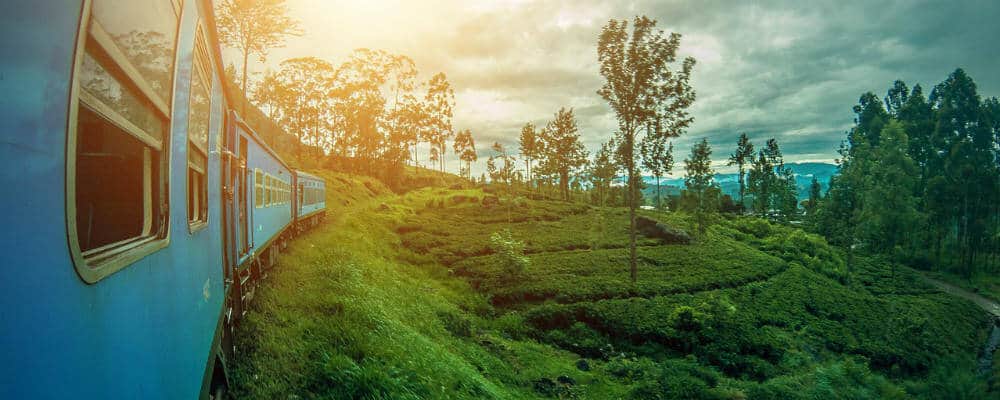
Getting around requires planning. Distances look short on a map, but roads wind through mountains and villages, turning a 100-kilometer trip into a three-hour drive. Hiring a private driver costs about $50 to $70 per day including fuel, and they know which entrances to use and when sites open before tour buses arrive. Train travel between Colombo, Kandy, and Ella offers scenic routes, though carriages fill up fast during December and January. Book first-class or second-class reserved seats at least five days ahead through the official Sri Lanka Railways website or at Colombo Fort Station.
Sigiriya Rock Fortress: Climbing the Lion Rock
Sigiriya rises 200 meters straight up from the jungle floor, a flat-topped granite monolith where King Kashyapa built a palace in 477 CE after murdering his father and seizing the throne. You can see the rock from ten kilometers away. The climb takes 30 to 45 minutes depending on your fitness level, with 1,200 steps carved into the rock face and modern metal staircases bolted to the steepest sections. Start at 6:30 AM when gates open to avoid midday heat that pushes temperatures above 35°C. Entrance costs $30 USD for adults.
Halfway up, you’ll walk through the remains of a giant lion gateway where massive paws still flank the staircase. The original structure stood 14 meters tall with a lion’s head that visitors entered through its open mouth. Above that, twenty frescoes of bare-breasted women painted in jewel tones survive in a sheltered pocket of rock. Archaeologists believe 500 similar paintings once covered the western face. The summit holds foundation outlines of the palace, water gardens, and a throne platform with views across 50 kilometers of forest and farmland.
The site sits five kilometers from Sigiriya town, easily reached by three-wheeler taxi for 300 rupees (about $1 USD). Stay in nearby Habarana or Dambulla where guesthouses start at $20 per night. Combine your visit with Pidurangala Rock, located one kilometer north. That climb costs just 500 rupees and gives you a perfect view of Sigiriya itself, especially dramatic at sunrise.
What to Bring
Wear closed-toe shoes with grip. Steps get slippery after rain, and monkeys inhabit the lower terraces. Bring two liters of water per person since no vendors operate past the ticket booth. A hat helps, but wind at the summit can blow it off. Photography is allowed everywhere except inside the mirror wall section, where ancient graffiti from 7th-century visitors has been preserved.
Anuradhapura: Walking Through Sri Lanka’s First Kingdom
Anuradhapura served as Sri Lanka’s capital for 1,400 years starting in 377 BCE, and the archaeological site covers 40 square kilometers. You’ll need a full day to see the major monuments, or two days if you want to explore thoroughly. The sacred Bodhi tree growing in the Mahamewna Gardens claims to be the oldest historically documented tree on earth, planted in 288 BCE from a cutting of the tree under which Buddha achieved enlightenment. Buddhist pilgrims in white clothing circumambulate it daily, and you’re welcome to join them, though bare shoulders and knees aren’t allowed.
Three massive dagobas (dome-shaped stupas) dominate the skyline. Jetavanarama reaches 122 meters tall, making it the world’s third-largest brick structure. Ruwanwelisaya gleams white after recent restoration, its dome surrounded by a wall with 344 elephant sculptures. Abhayagiri once housed 5,000 monks and contained a library known across Asia. Walk or rent bicycles for $2 per day since monuments spread far apart. Entrance costs $25 USD and includes access to the museum near Jetavanarama, where you’ll find detailed scale models and explanations in English.
The site opens at 6:00 AM. Sunrise visits mean empty pathways and soft light on white stupas. By 10:00 AM, heat becomes punishing since tree cover is sparse around the main ruins. Monkeys roam freely but won’t bother you unless you’re carrying visible food. Samudra (tanks or reservoirs) built by ancient engineers still supply water to surrounding farms, and their bunds make pleasant walking paths in late afternoon.
Getting There and Staying
Anuradhapura lies 205 kilometers north of Colombo, about four and a half hours by car or five hours by train. The overnight train from Colombo Fort departs at 9:45 PM and arrives at 4:30 AM, with sleeper berths costing around $8 USD in second class. Several guesthouses operate within two kilometers of the sacred area, charging $15 to $30 per night. Three-wheelers will take you between monuments for 500 to 800 rupees depending on distance.
Polonnaruwa: A Compact Medieval Capital
When invaders from South India destroyed Anuradhapura in 993 CE, Sri Lankan kings moved 100 kilometers southeast and built Polonnaruwa. The city thrived for 200 years, and because it’s younger than Anuradhapura, many structures remain intact with recognizable architectural details. The entire site fits into five square kilometers, making it manageable in half a day. Rent bicycles at the entrance for 500 rupees and follow a loop road connecting all major ruins.
Start at the Royal Palace complex where King Parakramabahu ruled in the 12th century. His audience hall has 30 rows of columns still standing. The Vatadage (circular relic house) shows intricate stone carvings on every surface, especially the four seated Buddhas facing cardinal directions. At Gal Vihara, four Buddha statues carved from a single granite cliff face will stop you cold. The 14-meter reclining Buddha displays such peaceful features that visitors sit quietly on the stone floor, often for 20 or 30 minutes. Admission costs $25 USD.
Parakrama Samudra, the enormous reservoir that still irrigates surrounding rice paddies, stretches along the city’s eastern edge. At sunset, fishermen paddle wooden boats while egrets hunt in the shallows. The bund makes a fine walking path, about three kilometers long. If you have time, visit the archaeological museum near the entrance. It holds detailed models showing how the city looked at its peak with 100,000 residents.
Practical Notes
Polonnaruwa town offers more budget accommodation than most cultural triangle sites, with clean guesthouses starting at $12 per night. The site opens at 7:00 AM. Bring sun protection since the ruins offer little shade. Dress modestly, covering shoulders and knees, especially at Gal Vihara where monks and pilgrims meditate. Photography is allowed everywhere, but be respectful near people praying. Three-wheelers from town to the entrance cost 200 rupees.
Dambulla Cave Temple: Five Caves of Buddhist Art
Dambulla’s golden temple sits 160 meters above the surrounding plain, built into a massive granite outcrop. Five caves hold 157 Buddha statues and 2,100 square meters of ceiling and wall paintings, some dating to the 1st century BCE. King Valagamba hid here for 14 years while in exile, and when he reclaimed his throne, he converted the caves into a temple. Monks have occupied the site continuously for 22 centuries.
You’ll climb 400 steps through a garden of frangipani trees to reach the cave entrance. The first cave (Devaraja Vihara) contains a 14-meter reclining Buddha carved from solid rock. Cave Two (Maharaja Vihara) is the largest and most impressive, with 56 statues and paintings covering every centimeter of the ceiling. The artwork shows scenes from Buddha’s life, Sri Lankan history, and even Hindu deities since Buddhism here incorporates local traditions. Cave Five is the newest, added in the early 19th century, with paintings still vivid in color.
The temple charges 1,500 rupees (about $5 USD) for foreigners. It opens at 7:00 AM and closes at 7:00 PM, though afternoon light at 4:00 PM illuminates the cave interiors beautifully through the open facades. Remove shoes before entering the first cave and keep them off until you exit the last one. Socks help since stone floors get hot. The Golden Temple museum at the base of the hill charges separately and isn’t worth the extra fee unless you’re fascinated by modern Buddhist art.
Combining with Sigiriya
Dambulla lies just 19 kilometers south of Sigiriya, a 25-minute drive. Most visitors see both in one day, hitting Sigiriya at dawn and Dambulla in late afternoon. Buses run between the towns every 30 minutes for 50 rupees, or a three-wheeler charges about 1,500 rupees for the trip. Dambulla town has a large fresh produce market worth exploring, especially on weekends when farmers bring vegetables from surrounding hills.
Kandy and the Temple of the Tooth: Sri Lanka’s Spiritual Heart
Kandy was the last capital of the Sinhalese kingdom, holding out against Portuguese, Dutch, and finally British colonizers until 1815. The Temple of the Sacred Tooth Relic sits beside Kandy Lake in the city center, housing what Buddhists believe is a tooth of Buddha brought to Sri Lanka in the 4th century CE. The temple complex sprawls across several buildings added by kings over five centuries. Entrance costs 2,000 rupees (about $6 USD) for foreigners.
The tooth itself remains locked in seven nested gold caskets inside the inner shrine, visible only to high monks. Three times daily at 5:30 AM, 9:30 AM, and 6:30 PM, priests open the shrine chamber for puja (worship ceremonies). Arrive 30 minutes early to get a spot near the chamber entrance where you can see offerings of flowers and hear traditional drumming. Dress conservatively with covered shoulders and knees. Security checks your bags at the entrance.
The temple museum on the upper floor displays gifts from Buddhist nations, photographs of the annual Esala Perahera festival, and historical artifacts. Walk clockwise around the lake afterward, a two-kilometer path shaded by rain trees. Kandy’s botanic gardens in Peradeniya, six kilometers west, contain 4,000 plant species including a famous avenue of palms planted in 1905. Admission costs 1,500 rupees and the gardens close at 5:00 PM.
Where to Stay and How Long
Kandy has accommodation for every budget, from $10 hostels to $200 colonial hotels. The city sits 116 kilometers from Colombo, three hours by highway or four hours by scenic train. Allow two days minimum to see the temple properly, visit the gardens, and explore surrounding hills. The train to Ella, departing at 8:47 AM, offers one of the world’s most scenic rail journeys through tea plantations and mountain passes. Book weeks ahead for window seats.
Galle Fort: Dutch Colonial Architecture by the Ocean
Galle Fort occupies a 90-acre peninsula on Sri Lanka’s southern coast, surrounded by walls built by the Portuguese in 1588 and expanded by the Dutch in 1663. Walk the complete rampart circuit in 45 minutes, watching fishermen below and container ships passing offshore. Unlike the ancient sites, Galle remains a living town with 5,000 residents, shops, cafes, hotels, and law offices operating inside colonial buildings. Admission is free since you’re entering a functioning neighborhood.
The Dutch Reformed Church on Church Street dates to 1755, with floor stones engraved with Dutch family names. The National Maritime Museum, housed in a Dutch warehouse, charges 500 rupees and displays maps, shipwreck artifacts, and exhibits on Sri Lanka’s pearl diving history. Lighthouse Street leads to the 1938 lighthouse, still operational, though you can’t climb it. Sunset from the northern ramparts draws crowds, but the southern wall near Flag Rock stays quieter.
Galle sits 116 kilometers south of Colombo along the coast, a two-hour drive or three-hour train journey. Express trains to Matara pass through Galle six times daily, costing about 300 rupees in second class. The fort has dozens of boutique hotels converted from colonial mansions, with rates from $50 to $300. Budget guesthouses in new town, across the cricket stadium, charge $15 to $25. Three-wheelers from the bus or train station to the fort cost 200 rupees.
Beyond the Fort Walls
Unawatuna Beach lies five kilometers east, a curved bay with calm water good for swimming. Three-wheelers charge 400 rupees. Koggala Lake, ten kilometers east, offers boat rides through mangroves to a cinnamon island where workers demonstrate traditional processing methods. Tours cost about $15 USD per person and last two hours. The Martin Wickramasinghe Museum in Koggala village celebrates Sri Lanka’s most famous novelist with exhibits on traditional life in southern villages.
Yapahuwa Rock Fortress: The Undervisited Alternative
Yapahuwa served as Sri Lanka’s capital for just 11 years in the 1270s, after King Buvanekabahu moved the tooth relic here for safekeeping. When South Indian invaders stole the relic in 1284, the city was abandoned. Today you’ll likely have the site to yourself despite its impressive 90-meter rock, ornate stone stairway, and views across the northwestern plains. Entrance costs just $10 USD.
The reconstructed staircase leading to the upper palace shows some of Sri Lanka’s finest stone carving, with dancers, musicians, and mythical creatures decorating the balustrades. The original palace buildings are gone, but foundation outlines show where the royal complex stood. A cave temple at the base contains reclining Buddha statues and paintings added in later centuries. Yapahuwa sees maybe 50 visitors daily compared to thousands at Sigiriya, giving you space to explore without crowds.
The site lies 150 kilometers northeast of Colombo and 50 kilometers northwest of Dambulla. Most travelers skip it because it’s off the main cultural triangle route, but if you’re driving between Colombo and Anuradhapura, it makes a worthwhile two-hour stop. No accommodation exists at Yapahuwa itself, but Kurunegala, 35 kilometers south, has several hotels starting at $20 per night.
Before You Go: Money, Timing, and Transport
The dry season from January through March offers the best weather for visiting cultural sites, though everywhere gets hot by midday. Bring a refillable water bottle since bottled water costs 100 to 150 rupees at tourist sites. Carry small bills in rupees for entrance fees, three-wheelers, and donations at temples. Not all sites accept credit cards, and ATMs in small towns sometimes run out of cash on weekends.
Dress modestly at all religious sites. A lightweight scarf covers shoulders when needed, and loose cotton pants work better than shorts in the heat. You’ll remove shoes frequently, so slip-on sandals save time, though they need decent soles for climbing rocks. Sunscreen, a hat, and insect repellent are essential. Most heritage sites have minimal shade.
Budget $50 to $70 daily for midrange travel including guesthouse, meals, transport, and entrance fees. Hiring a car with driver for three days costs $150 to $210 total and lets you see Sigiriya, Dambulla, Polonnaruwa, and Anuradhapura efficiently. Train travel is cheaper but limits your flexibility. Colombo’s Bandaranaike International Airport sits 35 kilometers north of the city center. Prearranged airport taxis to Colombo cost about 3,000 rupees, or you can take the airport bus for 120